We unleash your business potential by maximize the business innovation.
Send EmailSoy Protein Isolate, Isolated Soy Protein, Soya Protein, 9010-10-0
🌱 Soy Protein & Soy Protein Isolate
What is Soy Protein?
-
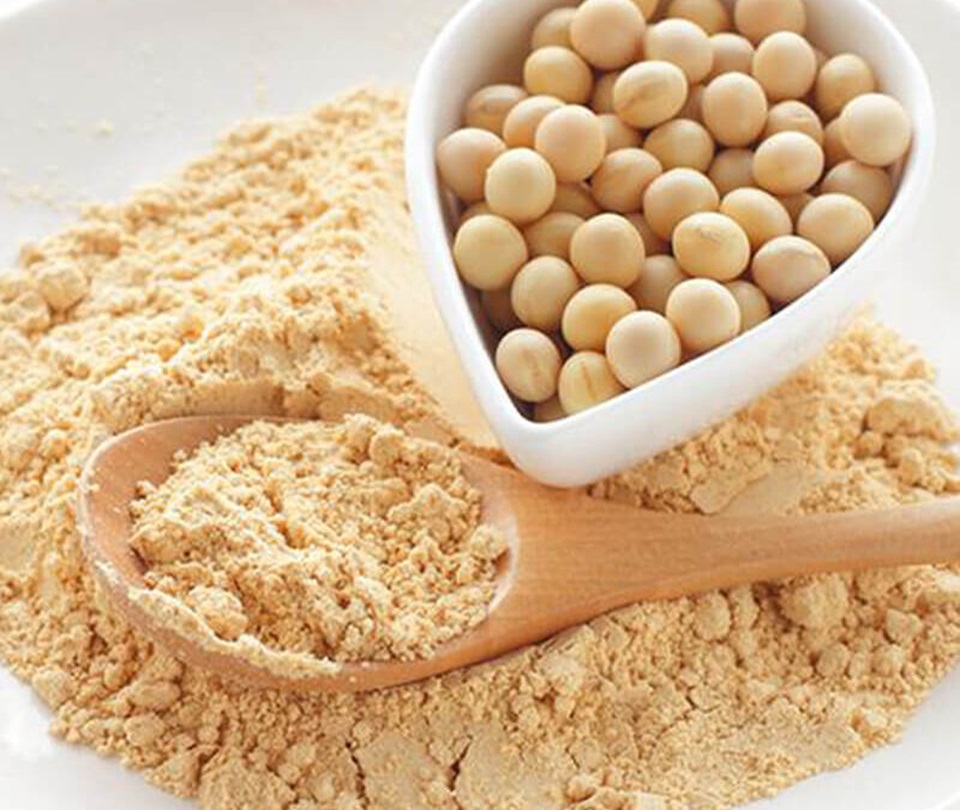
Soy protein is derived from the soybean (Glycine max), a plant naturally rich in protein.
-
It is widely used in the food industry as an alternative to animal protein, either on its own or combined with meat.
-
Soy protein is considered a high-quality plant-based protein because it contains all essential amino acids.
Main Types:
-
Soy Protein Isolate (SPI)
-
Highly purified form of soy protein.
-
Contains ~90% protein with minimal fat and carbohydrates.
-
Popular in vegan/vegetarian diets and sports nutrition.
-
-
Soy Protein Concentrate (SPC)
-
Less refined than isolate.
-
Higher fat and carbohydrate content.
-
Commonly used in processed foods like sausages, bakery products, and meat substitutes.
-
What is Soy Protein Isolate?
-
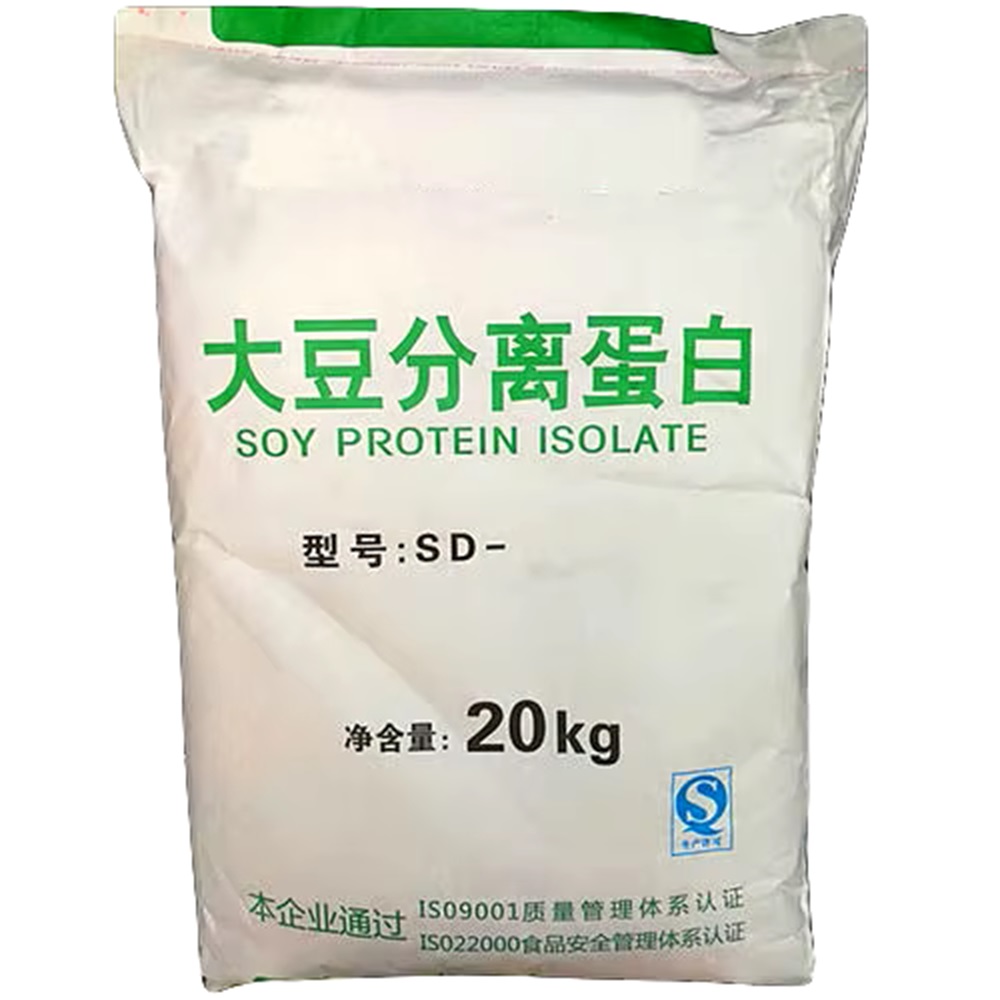
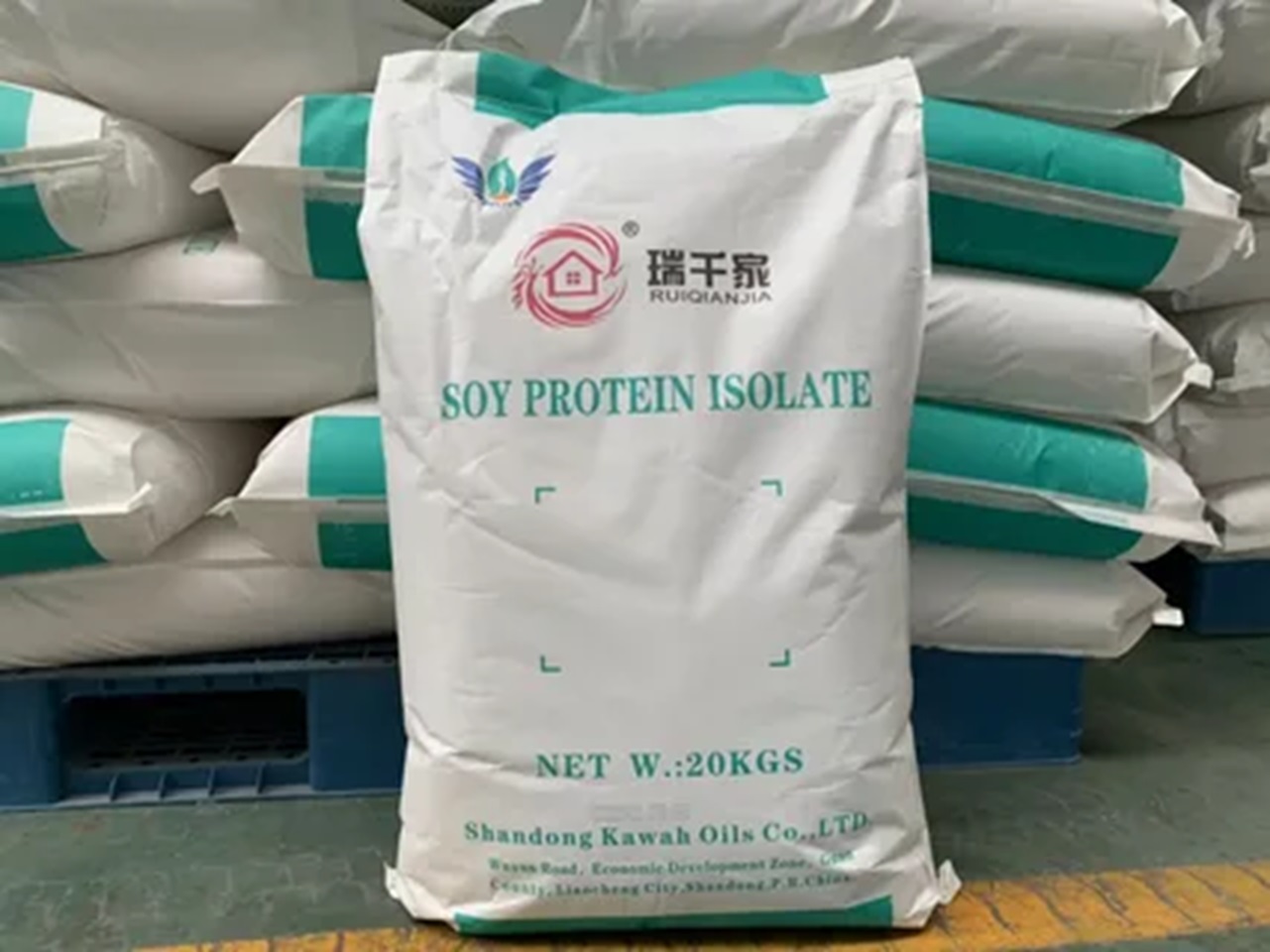
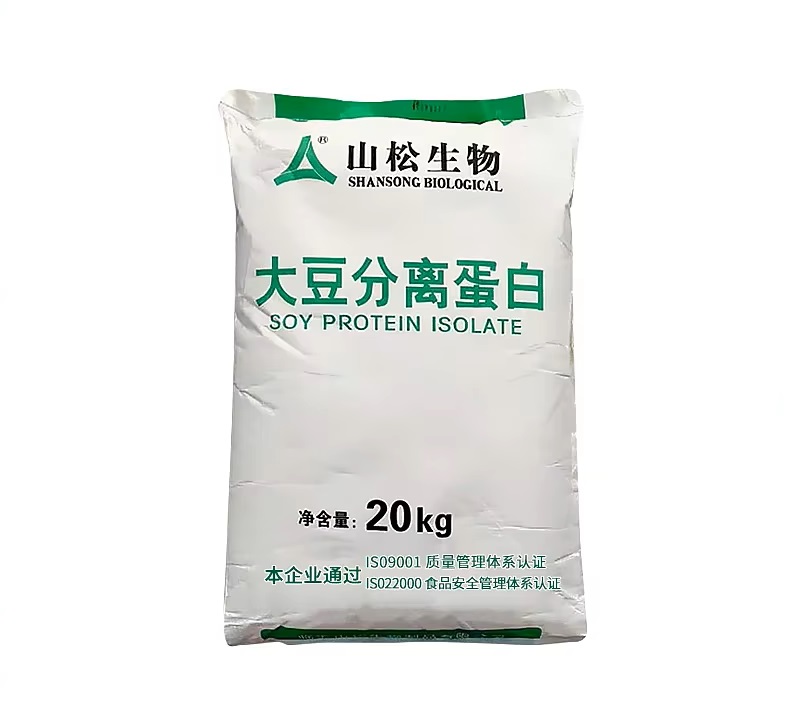
A highly refined protein powder obtained from soybeans.
-
Produced by removing most fats and carbohydrates, leaving a product that is almost pure protein.
-
CAS Number: 9010-10-0
-
EINECS: 232-720-8
-
Synonyms: Isolated Soy Protein, Soya Protein, Soy Protein Isolated
Chemical Composition:
-
~90% protein
-
Low in fat and cholesterol-free
Extraction Process:
-
Soybeans are soaked in acid or alcohol to remove sugars and fiber.
-
The remaining protein is dehydrated into a fine powder.
Benefits
-
Complete protein: Contains all 9 essential amino acids.
-
Heart health: Helps lower cholesterol and supports cardiovascular function.
-
Nutrient-rich: Provides B vitamins, zinc, and iron.
-
Weight management: Increases satiety and supports muscle development.
-
Isoflavones: Plant compounds that may help regulate hormone balance.
Considerations
-
Residues: The extraction process may leave traces of chemicals or metals.
-
Allergies: Not suitable for individuals with soy protein allergy.
-
Thyroid health: People with thyroid conditions should consult a doctor before consuming.
Common Uses
-
Protein supplements & shakes
-
Infant formula
-
Meat alternatives (burgers, sausages, patties)
-
Dairy alternatives
-
Bakery products & protein bars
Frequently Asked Questions
-
Can soy protein be consumed with soy allergy? → No, avoid soy products.
-
Is soy protein harmful for thyroid problems? → Consult a doctor before use.
-
Can soy protein help with weight loss? → Yes, by promoting fullness and reducing calorie intake.
-
How much should be consumed daily? → Around 50 g, depending on individual protein needs.
Soy Protein Isolate – Sectoral Suitability, Production, and Usage Ratios
1. Production Process (Summary)
-
Raw material: Soybeans (Glycine max)
-
Steps:
-
Removal of fats and carbohydrates (acid/alcohol extraction)
-
Separation of protein fraction
-
Drying and conversion into powder
-
-
Final product: Powder with ~90% protein, low fat, cholesterol-free
2. Sectoral Suitability Table
| Sector / Application | Suitability Level | Usage Form | Notes |
|---|---|---|---|
| Food Industry | ✔️ High | Meat alternatives, protein bars, infant formula | Essential for vegan/vegetarian diets |
| Sports Nutrition | ✔️ High | Protein powders, shakes, supplements | Supports muscle growth and recovery |
| Textile / Technical Uses | ⚠️ Low | Bio-based polymer research | Still limited to R&D stage |
| Animal Feed | ✔️ Medium | High-protein additive | Concentrate is more common than isolate |
| Health & Diet Products | ✔️ High | Functional foods, low-calorie products | Cholesterol-lowering effect, isoflavones |
| Pharmaceutical / Nutraceutical | ✔️ Medium | Tablets, capsules | Used for isoflavones and amino acid profile |
3. Usage Ratios (General Industry Practices)
-
Protein Supplements: 70–100% (main protein source)
-
Meat Alternatives (burgers, sausages, patties): 10–30% (texture and binding properties)
-
Infant Formula: 5–15% (balanced with other proteins)
-
Bakery Products: 3–8% (protein enrichment)
-
Functional Foods (bars, beverages): 10–25%
4. Sectoral Evaluation
-
Advantages: Complete amino acid profile, low fat, cholesterol-free, vegan-friendly.
-
Risks: Allergy potential, extraction residues, thyroid sensitivity.
-
Regulation: EFSA, FDA, and Turkish Food Codex set limits for infant formula and functional foods.
🏷️ Soy Protein Isolate – Names & Identifiers
-
Primary Name: Soy Protein Isolate
-
Synonyms / Other Names:
-
Soya Protein
-
Isolated Soy Protein
-
Soy Protein Isolated
-
Soya Protein Isolated
-
Isolated Soy Protein Protein
-
-
Identifiers:
-
CAS Number: 9010-10-0
-
EINECS Number: 232-720-8
-