We unleash your business potential by maximize the business innovation.
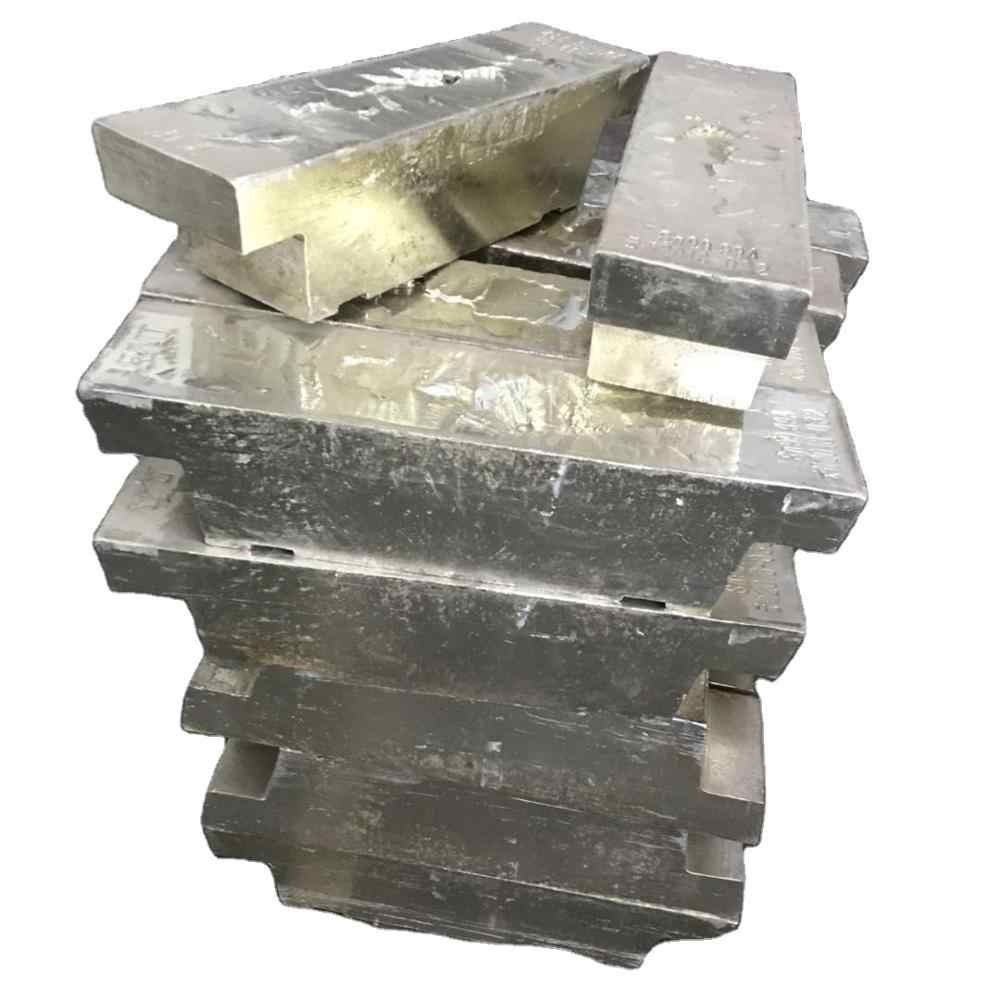
Send EmailAntimony Ingot, Antimony Block, Antimony Slab, Pure Antimony, 7440-36-0
ANTIMONY INGOT
1. PRODUCT DEFINITION AND CHEMICAL IDENTITY
| Parameter | Description |
|---|---|
| Product Name | Antimony Ingot |
| Other Names | Antimony Block, Antimony Slab, Pure Antimony, Antimony Metal |
| CAS Number | 7440-36-0 |
| Chemical Symbol | Sb |
| Atomic Number | 51 |
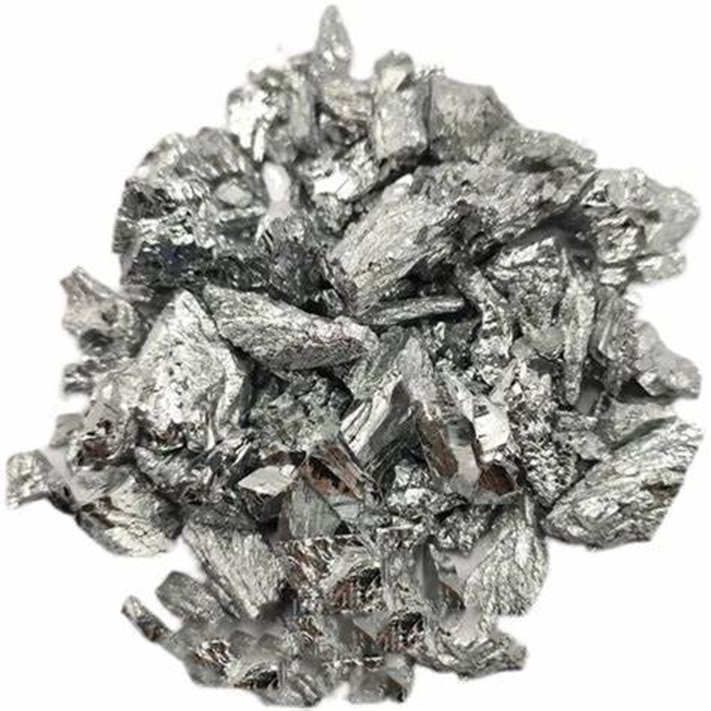
| Appearance | Silvery-white, metallic, lustrous solid |
| Odour | Odourless |
Note: Antimony ingot is a high-purity form of antimony metal, produced by controlled melting and casting into moulds. It is valued for its high corrosion resistance and flame-retardant synergistic properties, making it a critical raw material in battery, semiconductor, and flame-retardant industries.
2. PHYSICAL PROPERTIES
| Property | Value |
|---|---|
| Appearance / Colour | Silvery-white, metallic solid |
| Melting Point | 630.63 °C |
| Boiling Point | 1587 °C |
| Density | 6.697 g/cm³ |
| Magnetic Property | Non-magnetic |
| Electrical Conductivity | Low |
| Hardness (Mohs) | 3.0 |
3. CHEMICAL PROPERTIES
| Property | Description |
|---|---|
| Oxidation States | +3, +5 |
| Corrosion Resistance | High; resistant to atmospheric corrosion |
| Reactivity | Reacts with strong acids and bases; stable in air at room temperature |
| Flame Retardancy | Effective as a synergist in halogenated flame-retardant formulations |
| Toxicity Profile | Antimony compounds vary in toxicity; elemental antimony is relatively inert; antimony trioxide is classified as a suspected carcinogen (Category 2) if inhaled |
4. TYPICAL PURITY GRADES
Antimony ingots are commercially available in several purity grades, defined by the maximum allowable trace impurities (lead, arsenic, iron, etc.). The grade is critical for the intended application and is typically governed by standards such as ASTM B237.
| Grade | Purity (Sb, min %) | Typical Application |
|---|---|---|
| Standard Grade | 99.65% | General metallurgy, lead-acid battery alloys |
| High Grade | 99.85% | Improved battery grids, bearing alloys |
| Very High Grade | 99.90% | Specialized alloys, flame retardant precursor |
| Ultra-High Purity | 99.99% (4N) | Advanced alloys |
| Semiconductor Grade | ≥ 99.999% (5N+) | Infrared detectors, Hall-effect devices, semiconductor wafers |
5. SECTORAL APPLICATIONS, USAGE RATES, AND EXAMPLE FORMULATIONS
| Sector / Application | Form Used | Typical Usage Rate / Formulation |
|---|---|---|
| Lead-Acid Battery Technology | Antimony-Lead Alloy | 1–6% antimony content. Low-antimony alloys (1–2.7%) for modern maintenance-free car batteries; higher content for industrial batteries. A common formula is 5% antimonial lead for hardness and creep resistance. |
| Flame Retardants | Antimony Trioxide (ATO, Sb₂O₃) | Halogen-antimony ratio typically 5:1 to 2:1. A synergistic blend like Fyrebloc 7DB-301 is used at 15–30% addition level in polymers. Colloidal antimony pentoxide dispersions are used at 3–8% by weight in resins. |
| Semiconductors | High-Purity Antimony (≥ 5N) | Used as a dopant or substrate for infrared detectors and Hall-effect sensors. |
| Alloys and Metallurgy | Antimony Metal | Added to bearing alloys, solder, and ammunition to increase hardness and mechanical strength. |
| Paint and Coatings | Antimony Trioxide | Opacifying pigment and component in heat-resistant paints. |
| Ceramics and Glass | Antimony Compounds | Binder and opacifier in ceramic glazes; used in anti-solar (solar control) glass production. |
Example Formulations:
-
Flame Retardant Synergist for Thermoplastics:
A ready-to-use, one-pack system (e.g., FYREBLOC 7DB-301) is a 100% active combination of a brominated flame retardant (DE-83R) and antimony trioxide in a 3:1 ratio. It is designed for ease of use in applications such as polyethylene, polypropylene, and nylon. -
Composite Flame Retardant for Particleboard:
A patented formulation (by total weight):-
50–60 parts Antimony Trioxide
-
20–30 parts Calcium Silicate
-
4–10 parts Zinc Borate
-
3–10 parts Hydrotalcite
A surface modifier (e.g., titanate) is used on the ATO. This combination enhances fire resistance and processability while reducing the required amount of antimony.
-
6. ALTERNATIVES AND COMPARISON
A. Flame Retardant Synergists (Alternatives to Antimony Trioxide):
| Alternative Material | Key Properties and Comparison with ATO | Effective Application Area |
|---|---|---|
| Calcium Hypophosphite (CaP) | Reduces smoke, enhances flame retardancy, and eliminates toxicity concerns. Synergy with talc can reduce peak heat release rate by ~60% compared to ABS+Br+ATO. | Styrenic polymers (ABS, HIPS) |
| Zinc Stannates | Non-hazardous, effective synergist that can replace ATO; provides self-extinguishing properties and UL 94 V-0 rating in PVC. | PVC, other halogenated systems |
| Phosphinate-Based FRs | Halogen-free, provides effective fire protection via a different chemical mechanism while maintaining performance. Exolit OP is an example. | Engineering plastics, adhesives |
| ADINS Technology (Tolsa) | ATO- and halogen-free synergist that enhances charring, reduces smoke and heat release, and provides anti-dripping effect. | PP, PA, rubber, fire-protective coatings |
B. Energy Storage (Next-Generation Alternatives to Antimony):
Research is focused on antimony-based intermetallic compounds (e.g., NiSb) and metal antimonides as advanced anode materials for lithium-ion and sodium-ion batteries, leveraging conversion and alloying mechanisms for high capacity.
7. PACKAGING, STORAGE, AND SAFETY
-
Packaging: Arranged according to customer requirements, typically palletized and strapped ingots.
-
Storage: Store in a cool, dry, and well-ventilated area. Keep away from strong acids, bases, and incompatible materials to prevent unwanted chemical reactions. Proper storage maintains product quality for 6 to 12 months after receipt.
-
GHS Classification: Antimony metal (massive form) is not classified as a hazardous substance. However, antimony compounds (like trioxide) carry hazard warnings (H351: Suspected of causing cancer via inhalation).
-
Safety Precautions: For the solid ingot, standard industrial hygiene is sufficient. If the metal is processed in a way that generates dust or fumes (e.g., grinding, melting), avoid inhalation and use appropriate local exhaust ventilation and personal protective equipment (PPE). Always refer to the Safety Data Sheet (SDS) for detailed safety information.
8. FREQUENTLY ASKED QUESTIONS
Q1: What are the standard purity grades for antimony ingots?
Common commercial grades are 99.65%, 99.85%, 99.90%, and high-purity 99.99% (on a metal basis). The grade defines the maximum permissible impurities like lead (Pb), arsenic (As), and iron (Fe). Products are subject to standards such as ASTM B237.
Q2: Is antimony considered a critical or conflict mineral?
Yes. Antimony is classified as a critical mineral by many countries due to its economic importance and supply risk. It is also listed as a conflict mineral under regulations like the Dodd-Frank Act, making responsible sourcing and supply chain transparency from mine to ingot a critical priority.
Q3: Why is purity so important in antimony ingots?
Purity is vital because trace impurities can seriously degrade the performance of the final product, leading to failures in sensitive applications like semiconductor devices or reduced efficiency in batteries.
Q4: Why are antimony prices so high, and is there an effort to replace it?
Yes, prices have surged over 800% in recent years due to supply constraints. Coupled with regulatory pressure from agencies like ECHA, which lists antimony trioxide as a Substance of Very High Concern (SVHC), there is a major industry effort to find safer, more sustainable, and cost-effective alternatives.
Q5: How should I store antimony ingots properly?
Ingots should be stored in a cool, dry, and well-ventilated area, away from incompatible materials like strong acids and bases.
9. QUICK REFERENCE TABLE
| Property | Value |
|---|---|
| Product Name | Antimony Ingot |
| CAS | 7440-36-0 |
| Chemical Symbol | Sb |
| Atomic Number | 51 |
| Appearance | Silvery-white, metallic solid |
| Melting Point | 630.63 °C |
| Density | 6.697 g/cm³ |
| Key Properties | Corrosion resistance, hardness, flame retardant synergist |
| Main Applications | Batteries, flame retardants, semiconductors, alloys |