We unleash your business potential by maximize the business innovation.
Send EmailPotassium Silicate, Dipotassium silicate, Potassium Metasilicate, 1312-76-1
POTASSIUM SILICATE (K₂SiO₃)
CAS Number: 1312-76-1
EC Number (EINECS): 215-199-1
Molecular Formula: K₂SiO₃
Molecular Weight: 154.28 g/mol
Chemical Class: Inorganic silicate salt
SECTION 1: PRODUCT IDENTIFICATION AND CHEMICAL IDENTITY
| Parameter | Description |
|---|---|
| Chemical Name (IUPAC) | Dipotassium silicate |
| Other Names | Potassium Silicate, Potassium Metasilicate, Potassium Water Glass, Soluble Potassium Silicate |
| CAS Number | 1312-76-1 |
| EC Number (EINECS) | 215-199-1 |
| Molecular Formula | K₂SiO₃ |
| Molecular Weight | 154.28 g/mol |
| Chemical Class | Inorganic silicate salt |
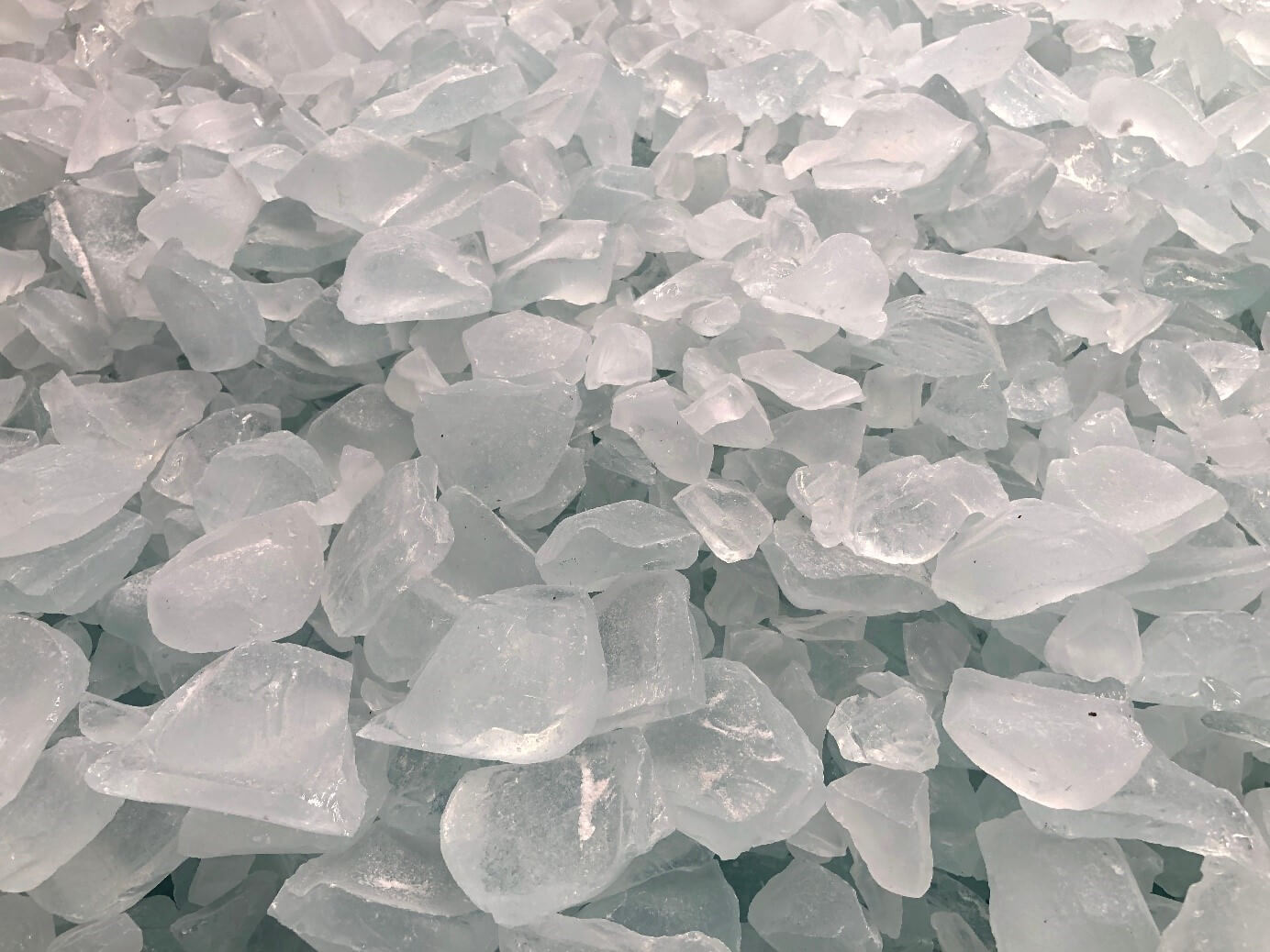
| Appearance | Clear to slightly cloudy liquid or white powder |
| Odor | Odorless |
| Physical State | Liquid or solid (powder/flakes) |
| Density | ~2.6 g/cm³ (solid) |
| pH (Solution) | 11.0 - 12.5 (strongly alkaline) |
SECTION 2: PHYSICAL AND CHEMICAL PROPERTIES
| Property | Value / Range |
|---|---|
| Molecular Formula | K₂SiO₃ |
| Molecular Weight | 154.28 g/mol |
| Appearance | Clear to slightly cloudy liquid or white powder |
| Odor | Odorless |
| Density (Solid) | ~2.6 g/cm³ |
| Density (Liquid) | 1.20 - 1.40 g/cm³ (depending on concentration) |
| Melting Point | ~1000-1100°C |
| Solubility in Water | Soluble |
| Solubility in Alcohols | Insoluble |
| pH (Aqueous solution) | 11.0 - 12.5 (strongly alkaline) |
| SiO₂/K₂O Ratio | 1.5 - 3.5 (varies by grade) |
| Refractive Index | 1.42 - 1.45 |
| Viscosity | Variable (depends on concentration and ratio) |
SECTION 3: SOLUBILITY PROFILE
| Solvent | Solubility | Condition |
|---|---|---|
| Water | Soluble | All temperatures |
| Ethanol | Insoluble | - |
| Methanol | Insoluble | - |
| Acetone | Insoluble | - |
| Mineral Acids | Soluble (reacts) | - |
Critical Note: Potassium silicate is soluble in water but insoluble in alcohols and most organic solvents. Its aqueous solutions are strongly alkaline with pH 11.0-12.5.
SECTION 4: PRODUCTION METHOD
| Parameter | Description |
|---|---|
| Method 1 | Potassium hydroxide + Silicon dioxide → Potassium silicate + Water |
| Reaction | 2 KOH + SiO₂ → K₂SiO₃ + H₂O |
| Method 2 | Potassium carbonate + Silicon dioxide → Potassium silicate + Carbon dioxide |
| Reaction | K₂CO₃ + SiO₂ → K₂SiO₃ + CO₂ |
| Conditions | High temperature (1000-1300°C) or hydrothermal process |
| Product | Clear, viscous liquid or glassy solid |
SECTION 5: CHEMICAL PROPERTIES AND REACTIONS
| Property | Description |
|---|---|
| Chemical Class | Inorganic silicate salt |
| Functional Group | Silicate (SiO₃²⁻) |
| Reactivity | Reacts with acids to form silica gel |
| Acid Reaction | K₂SiO₃ + 2 HCl → 2 KCl + H₂SiO₃ (silica gel) |
| Hydrolysis | Partially hydrolyzes in water to form alkaline solution |
| Thermal Decomposition | > 1200°C decomposes to potassium oxide and silicon dioxide |
| CO₂ Reaction | Reacts with CO₂ to form potassium carbonate and silica |
| Stability | Stable under normal conditions |
5.1. Key Reactions
| Reaction Type | Description |
|---|---|
| Acid Neutralization | Forms silica gel with acids |
| CO₂ Absorption | Reacts with CO₂ to form potassium carbonate |
| Hydrolysis | Forms alkaline solution in water |
| Thermal Decomposition | K₂O + SiO₂ at high temperatures |
SECTION 6: MAJOR APPLICATIONS AND END-USES
6.1. Agriculture (Most Important Application)
| Application | Function | Suitability |
|---|---|---|
| Silicon Fertilizer | Provides bioavailable silicon to plants | High |
| Plant Stress Protection | Protects against biotic (pests, diseases) and abiotic (drought, salinity, temperature) stress | High |
| Root Development | Supports root growth up to 80% | High |
| Photosynthesis Enhancement | Increases photosynthesis, promoting healthier and faster growth | High |
| Cell Wall Strengthening | Silica accumulation strengthens cell walls, increasing resistance to insects and environmental factors | High |
| Nutrient Uptake | Enhances nutrient and water absorption | High |
6.2. Construction and Building
| Application | Function | Suitability |
|---|---|---|
| Cement Additive | Increases durability and longevity | High |
| Mortar Additive | Improves strength and adhesion | High |
| Brick Production | Increases structural strength | High |
| Concrete Sealer | Improves waterproofing and durability | High |
| Fireproof Coatings | Provides fire resistance | High |
6.3. Coatings and Paints
| Application | Function | Suitability |
|---|---|---|
| Exterior Paints | Provides long-lasting protection | High |
| Decorative Coatings | Both aesthetic and protective properties | High |
| Corrosion Protection | Protects metal surfaces from corrosion | High |
| Heat-Resistant Coatings | Provides thermal protection | High |
6.4. Detergents and Cleaning Products
| Application | Function | Suitability |
|---|---|---|
| Drain Openers | Effective in dissolving grease and organic matter | High |
| Descaling Agents | Removes limescale and mineral deposits | High |
| Rust Removers | Effective in removing rust | High |
| Degreasers | Removes oils and grease | High |
| Laundry Detergents | Builder and stabilizer | High |
6.5. Industrial Applications
| Application | Function | Suitability |
|---|---|---|
| Ceramics and Refractories | Binder for shaping clay and high-temperature materials | High |
| Paper and Cardboard | Binder, increases durability | High |
| Electrode Production | Enhances durability of welding electrodes | High |
| Antifreeze | Protects engines in cold weather conditions | High |
| Adhesives | Binder for various applications | High |
| Water Treatment | Coagulant and flocculant | Moderate |
6.6. Metal Protection
| Application | Function | Suitability |
|---|---|---|
| Corrosion Inhibitor | Protects metal surfaces from corrosion | High |
| Rust Prevention | Prevents rust formation | High |
| Surface Treatment | Provides protective coating | High |
SECTION 7: INDUSTRY SUITABILITY MATRIX
| Industry | Suitability | Explanation |
|---|---|---|
| Agriculture | Very High | Silicon fertilizer, plant stress protection, root development |
| Construction | High | Cement additive, mortar, brick production |
| Coatings | Very High | Exterior paints, decorative coatings, corrosion protection |
| Detergents | High | Drain openers, degreasers, rust removers |
| Ceramics | High | Binder, shaping, high-temperature materials |
| Paper | Moderate | Binder, durability enhancer |
| Electrodes | Moderate | Durability of welding electrodes |
| Antifreeze | Moderate | Engine protection |
| Metal Protection | High | Corrosion inhibition, rust prevention |
SECTION 8: COMPARISON WITH OTHER SILICATES
| Property | Potassium Silicate | Sodium Silicate | Lithium Silicate | Calcium Silicate |
|---|---|---|---|---|
| Formula | K₂SiO₃ | Na₂SiO₃ | Li₂SiO₃ | CaSiO₃ |
| Density | ~2.6 g/cm³ | 1.4-1.6 g/cm³ | ~2.4 g/cm³ | 2.9 g/cm³ |
| Solubility | Soluble | Soluble | Highly soluble | Insoluble |
| pH | 11.0-12.5 | 11.0-12.5 | 11.0-12.5 | 9.5-11.5 |
| Advantages | Long-lasting, durable, plant growth | Economic, readily available, strong binder | Very high durability, chemical resistance | Heat resistant, inexpensive |
| Disadvantages | More expensive than sodium silicate | Shorter lifespan, lower durability | Very expensive, limited availability | Low water solubility |
| Main Uses | Agriculture, construction, coatings | Detergents, paper, adhesives | High-performance coatings, advanced construction | Refractory, insulation |
SECTION 9: SAFETY AND HANDLING
| Parameter | Information |
|---|---|
| GHS Classification | Warning |
| Hazard Statements | H315 (Causes skin irritation), H319 (Causes serious eye irritation), H335 (May cause respiratory irritation) |
| Precautionary Statements | P261 (Avoid breathing dust/fume/gas/mist/vapors/spray), P280 (Wear protective gloves/protective clothing/eye protection/face protection), P302+P352 (IF ON SKIN: Wash with plenty of water), P305+P351+P338 (IF IN EYES: Rinse cautiously with water) |
| Skin Contact | May cause irritation; wash with soap and water |
| Eye Contact | Irritant; rinse with plenty of water for 15 minutes |
| Inhalation | May cause respiratory irritation; move to fresh air |
| Ingestion | Harmful; do not induce vomiting; seek medical attention |
| PPE Required | Gloves, safety goggles, protective clothing |
SECTION 10: STORAGE INFORMATION
| Parameter | Information |
|---|---|
| Storage Conditions | Cool, dry, well-ventilated area |
| Temperature | Room temperature (15-30°C) |
| Container | Tightly closed, original packaging |
| Materials to Avoid | Strong acids, CO₂ (reacts), aluminum (corrosive) |
| Shelf Life | 12-24 months (under recommended conditions) |
| Packaging | 200 kg drums, 1000 kg IBC, bulk tankers |
SECTION 11: TRANSPORT INFORMATION
| Parameter | Information |
|---|---|
| UN Number | Not regulated (not classified as dangerous goods) |
| Hazard Class | Not applicable |
| Packing Group | Not applicable |
| Proper Shipping Name | Potassium Silicate |
| ADR/RID | Not regulated |
| IMDG Code | Not regulated |
| IATA (Air) | Not regulated |
| Marine Pollutant | No |
SECTION 12: FIRE-FIGHTING MEASURES
| Parameter | Information |
|---|---|
| Fire Hazard | Non-flammable |
| Extinguishing Media | Water spray, foam, CO₂, dry chemical |
| Special Hazards | When heated, may release irritating fumes |
| Decomposition Products | Potassium oxide, silicon dioxide |
| Protective Equipment | Self-contained breathing apparatus (SCBA), full protective clothing |
SECTION 13: FIRST AID MEASURES
| Exposure Route | Action |
|---|---|
| Inhalation | Move to fresh air. If breathing difficulty, administer oxygen. Seek medical attention. |
| Skin Contact | Remove contaminated clothing. Wash with soap and plenty of water for at least 15 minutes. |
| Eye Contact | Rinse with plenty of water for at least 15 minutes. Seek immediate medical attention. |
| Ingestion | Do NOT induce vomiting. Drink plenty of water. Seek medical attention. |
SECTION 14: REGULATORY INFORMATION
| Region / Authority | Status |
|---|---|
| EU REACH | Registered |
| Turkey KKDİK | Registration required |
| USA TSCA | Listed |
| USA FDA | Approved for certain applications |
| EINECS | 215-199-1 |
| WGK (Germany) | 1 (slight hazard to water) |
SECTION 15: SUMMARY AND CRITICAL WARNINGS
Product Summary
| Parameter | Value |
|---|---|
| Product | Potassium Silicate (K₂SiO₃) |
| CAS | 1312-76-1 |
| Appearance | Clear to slightly cloudy liquid or white powder |
| Density | ~2.6 g/cm³ (solid) |
| pH | 11.0 - 12.5 |
| Key Industries | Agriculture, construction, coatings, detergents |
CRITICAL WARNINGS
-
Agriculture (Silicon Fertilizer): Potassium silicate is an excellent source of bioavailable silicon for plants. It protects plants against biotic (pests, diseases) and abiotic (drought, salinity, temperature) stresses, enhances photosynthesis, and supports root development up to 80%.
-
Strongly Alkaline: Aqueous solutions are strongly alkaline with pH 11.0-12.5. Causes skin and eye irritation. Appropriate PPE required during handling.
-
Acid Reaction: Reacts with acids to form silica gel. Avoid contact with strong acids.
-
CO₂ Sensitivity: Reacts with CO₂ to form potassium carbonate and silica. Store in airtight containers.
-
Long-Lasting Performance: More durable and longer-lasting than sodium silicate. Provides superior performance in construction and coatings.
-
Metal Corrosion: Corrosive to aluminum and some other metals. Avoid contact with aluminum surfaces.
-
Solubility: Soluble in water but insoluble in alcohols and organic solvents.
-
Storage: Store in cool, dry, well-ventilated areas. Keep away from acids and CO₂ sources.
-
Advantages over Sodium Silicate: More durable, longer-lasting, and provides better plant growth benefits. However, it is more expensive.
-
Versatile Applications: Used in agriculture, construction, coatings, detergents, ceramics, paper, and metal protection.
IMPORTANT DISCLAIMER: This Technical Data Sheet (TDS) is for informational purposes only and is based on available technical data. The user is solely responsible for determining the product's suitability for their specific application and for complying with all applicable local, national, and international regulations. For complete safety, storage, handling, transportation, disposal, and regulatory compliance information, always refer to the official Safety Data Sheet (SDS/MSDS) provided by the manufacturer/supplier. Users are responsible for testing the product in their own processes and applications. All local, national, and international regulations must be followed when working with Potassium Silicate.