We unleash your business potential by maximize the business innovation.
Send EmailSilicon Dioxide, Silicic Oxide, Silica, E551, 14808-60-7, 112945-52-5, 60676-86-0, 7631-86-9, 99439-28-8
Silicon Dioxide (SiO₂), also known as silica, is a naturally occurring compound made of silicon and oxygen. It is one of the most abundant minerals in the Earth’s crust and has wide applications across food, pharmaceuticals, construction, electronics, energy, and automotive industries.
1. General Information
-
Chemical Formula: SiO₂
-
IUPAC Name: Silicon dioxide
-
Other Names: Silica, Quartz, Silicic oxide, Silicon (IV) oxide, Silica sand
-
CAS Numbers: Most common 7631‑86‑9; alternatives include 14808‑60‑7, 112945‑52‑5
-
Molar Mass: 60.08 g/mol
-
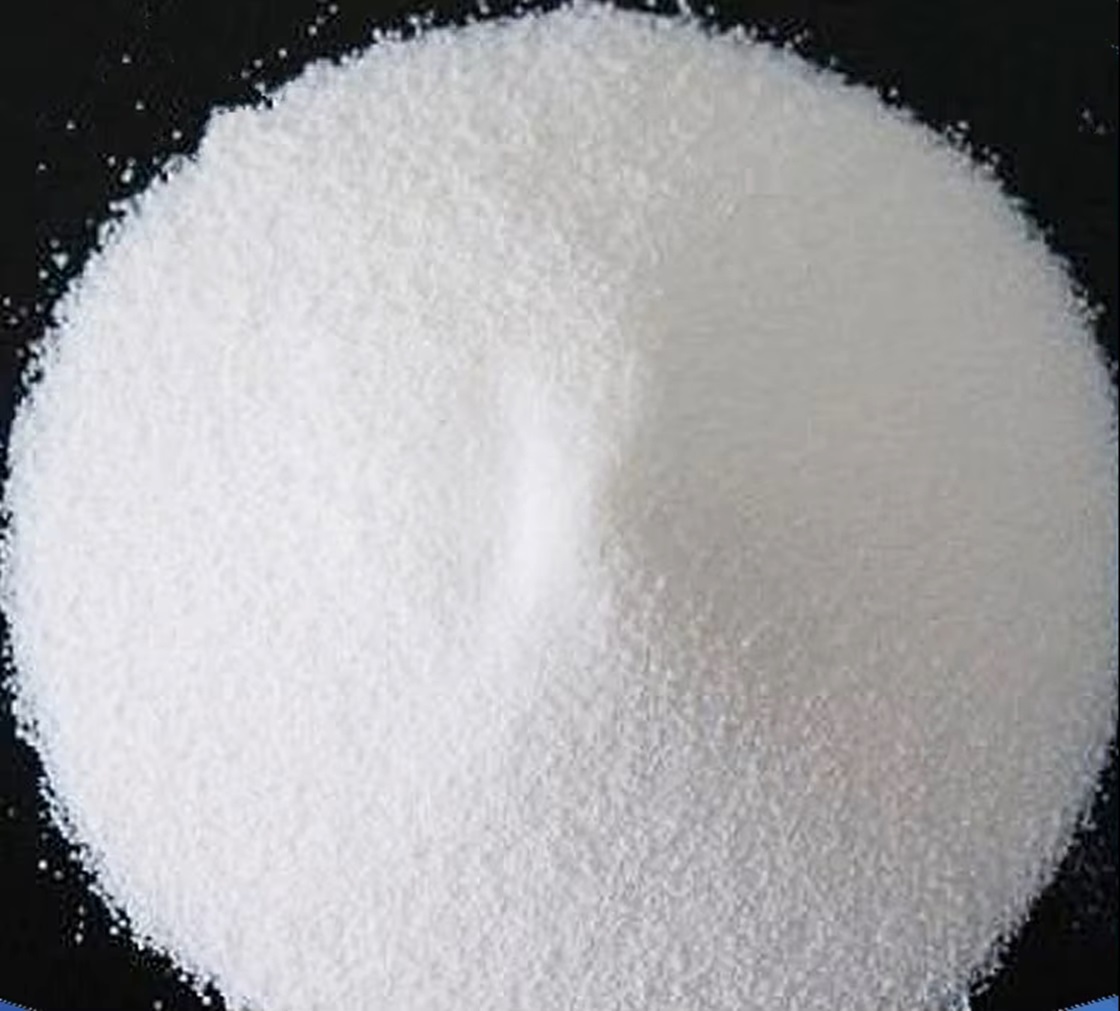
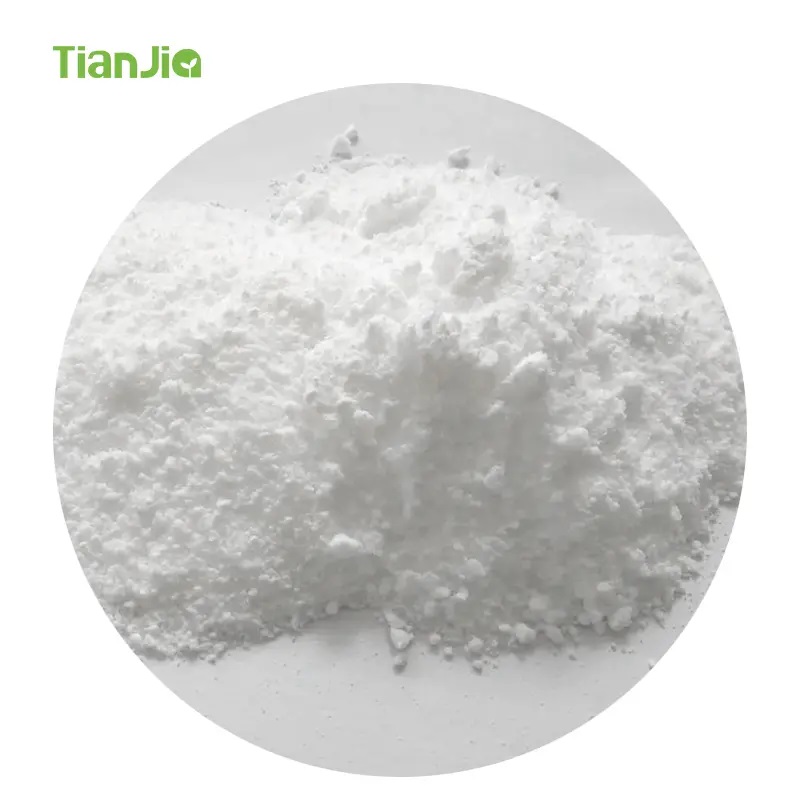
Appearance: Transparent crystals, white powder, or amorphous form
2. Physical and Chemical Properties
| Property | Value |
|---|---|
| Density | 2.648 g/cm³ (α‑quartz), 2.196 g/cm³ (amorphous) |
| Melting Point | 1713 °C |
| Boiling Point | 2950 °C |
| Solubility | Insoluble in water, soluble in hydrofluoric acid and hot sodium hydroxide |
| Structure | Crystalline (quartz) or amorphous (fumed silica) |
| Thermal Conductivity | 12 W/(m·K) along c‑axis, 6.8 W/(m·K) perpendicular, 1.4 W/(m·K) amorphous |
3. Industrial and Commercial Applications
🔹 Food Industry (E551)
-
Used as an anti‑caking agent in salt, spices, powdered sugar, and flour.
-
Improves flowability and prevents moisture absorption.
-
Approved by EFSA and FDA within regulated limits.
🔹 Pharmaceuticals
-
Functions as an excipient in tablets and capsules.
-
Enhances powder flow and prevents clumping.
-
Acts as a moisture absorber in creams and ointments.
🔹 Cosmetics & Personal Care
-
Used in toothpaste as a mild abrasive.
-
Acts as an oil absorber in skincare products.
-
Improves texture and viscosity in creams and powders.
🔹 Construction
-
Main component of glass, ceramics, and cement.
-
Provides thermal stability and mechanical strength.
-
Essential in Portland cement and refractory materials.
🔹 Electronics
-
Critical in semiconductor wafer production.
-
Used in optical fibers due to high transparency.
-
Serves as a dielectric material in microelectronics.
🔹 Energy
-
Key raw material for solar panels (monocrystalline and polycrystalline silicon).
-
Applied in lithium‑ion batteries as a stabilizer.
-
Used in fuel cells and thermal insulation materials.
🔹 Automotive
-
Improves paint durability and corrosion resistance.
-
Reinforces silicone rubber components (seals, hoses).
-
Enhances effect pigments and viscosity control in coatings.
🔹 Agriculture
-
Acts as a soil conditioner improving water retention.
-
Strengthens plant cell walls, increasing resistance to stress.
-
Used as a natural insecticide in pest control.
🔹 Water Treatment
-
Functions as a filtration medium.
-
Helps in pH stabilization.
-
Works as a clarifying agent in coagulation processes.
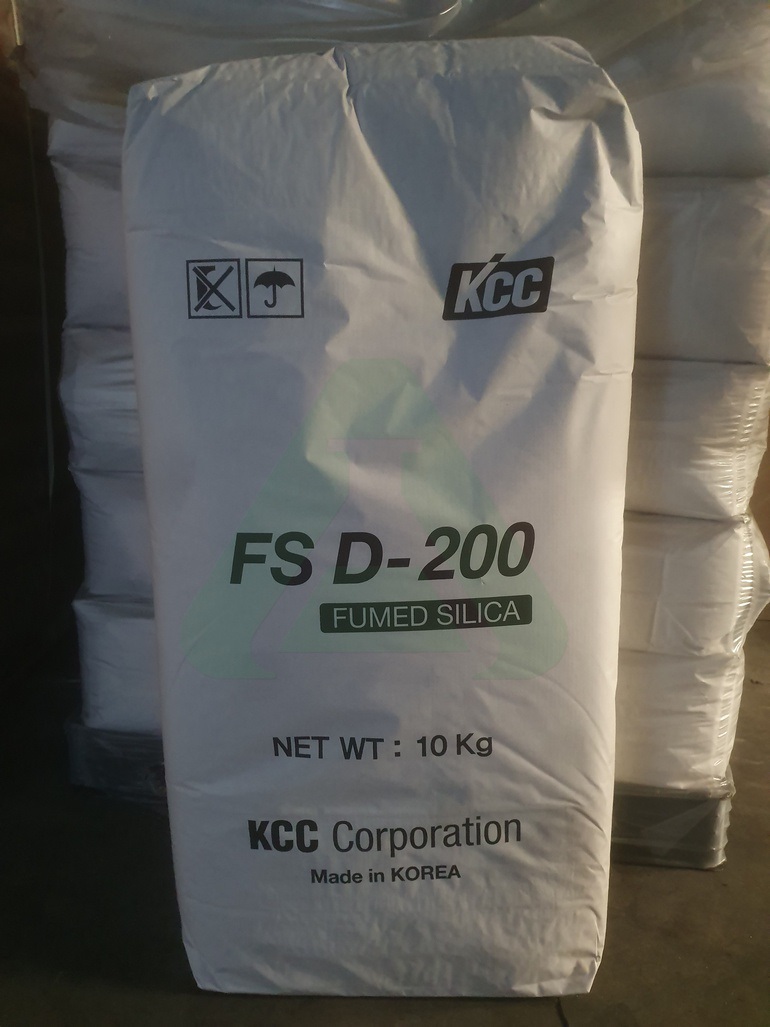
4. Special Form – Fumed Silica (Aerosil 200)
-
Structure: Amorphous, sub‑micron particles with high surface area.
-
Properties: Hydrophilic, moisture absorbing, excellent tixotropy agent.
-
Applications: Epoxy resins, adhesives, pharmaceuticals, cosmetics, and paints.
5. Health and Safety
-
Food additive E551 is generally recognized as safe within regulated limits.
-
Excessive inhalation of crystalline silica dust can cause silicosis, a serious lung disease.
-
Workplace safety standards require dust control and protective equipment.
In summary, Silicon Dioxide (SiO₂) is a versatile compound with critical roles in everyday products and advanced technologies. Its properties—high stability, hardness, and chemical resistance—make it indispensable across multiple industries, from food safety to electronics and renewable energy.
production of Silicon Dioxide (SiO₂), there are actually two main contexts:
1. Natural Occurrence
-
Silicon dioxide is one of the most abundant minerals in the Earth’s crust.
-
It is found naturally as quartz, sand, granite, and opal.
-
In this form, it is mined and processed for use in glass, ceramics, and construction materials.
2. Industrial Production Methods
🔹 From Quartz/Sand (High Purity SiO₂)
-
Raw Material: Natural quartz or silica sand.
-
Process:
-
Crushing and purification of quartz.
-
Melting at high temperatures (~1700 °C).
-
Cooling to obtain amorphous silica (glass) or recrystallization for quartz wafers.
-
-
Application: Semiconductor wafers, optical fibers, solar panels.
🔹 Fumed Silica (Aerosil, Cabosil)
-
Raw Material: Silicon tetrachloride (SiCl₄) or quartz sand.
-
Process:
-
Vapor-phase hydrolysis of SiCl₄ in a flame at ~1000 °C.
-
Produces very fine, amorphous silica particles (submicron size).
-
-
Properties: High surface area, hydrophilic/hydrophobic grades.
-
Application: Pharmaceuticals, cosmetics, adhesives, paints, rubber reinforcement.
🔹 Precipitated Silica
-
Raw Material: Sodium silicate solution.
-
Process:
-
Neutralization with sulfuric acid.
-
Silica precipitates as fine particles.
-
Filtration, washing, drying.
-
-
Application: Toothpaste, food additives (E551), rubber industry.
🔹 Colloidal Silica
-
Process: Controlled hydrolysis of alkali silicates.
-
Form: Stable suspension of silica nanoparticles in water.
-
Application: Coatings, catalysts, polishing agents.
3. Special Production for Electronics
-
Zone Refining: Produces ultra-pure silicon dioxide for semiconductor wafers.
-
Arc Furnace Reduction: Quartz + carbon → metallurgical grade silicon (Si), later oxidized to SiO₂ or used for solar cells.
4. Key Notes
-
Energy Intensive: Production requires very high temperatures.
-
Purity Critical: Electronics and solar industries demand >99.999% pure silica.
-
Regulatory Compliance: Food/pharma grades must meet EFSA, FDA, and pharmacopeia standards.
In short:
-
Natural silica → mined and purified.
-
Fumed/precipitated/colloidal silica → produced via chemical processes for specialized applications.
-
High-purity silica → refined for electronics and solar industries.
Silicon Dioxide (SiO₂) – Sectoral Suitability and Usage Rates
| Sector | Application | Average Usage Rate | Notes / Compliance |
|---|---|---|---|
| Food (E551) | Anti‑caking agent, flow enhancer, moisture absorber | 0.2 – 2% | Must comply with EU EFSA, FDA, and Turkish Food Codex |
| Pharmaceuticals | Tablet/capsule filler, flow enhancer, moisture absorber | 0.5 – 1.5% | GMP compliant, used as excipient |
| Cosmetics | Toothpaste, skincare products – thickener, oil absorber, mild abrasive | 0.5 – 3% | EN/ISO cosmetic regulations |
| Construction | Glass, ceramics, cement production | 5 – 30% (depending on formula) | Provides high thermal stability and durability |
| Electronics | Semiconductors, optical fibers, microchips | 10 – 40% (high purity) | High purity and crystal structure required |
| Energy | Solar panels, lithium‑ion batteries, fuel cells, insulation | 15 – 50% (application dependent) | Critical for photovoltaic and battery performance |
| Agriculture | Soil conditioner, fertilizer additive, pest control | 1 – 5% | Improves plant health and yield |
| Plastics/Polymers | Filler to improve hardness, dimensional stability, thermal resistance | 2 – 10% | Used in thermoplastics, thermosets, elastomers |
| Paints/Coatings | Thickener, filler, gloss enhancer, abrasion resistance | 1 – 7% | Compatible with water‑based and solvent‑based systems |
| Water Treatment | Filtration medium, pH stabilizer, clarifier | 0.5 – 3% | Used in ion exchange and coagulation |
| Pharma Special (Fumed Silica) | Tixotropy agent, tablet disintegrant, epoxy moisture control | 0.1 – 1.5% | Aerosil 200 and similar commercial grades |
| Automotive | Paints/coatings for abrasion/corrosion resistance, silicone rubber parts, effect pigments | 2 – 8% | Improves durability, viscosity control, and pigment stability |
Key Takeaways
-
Food & Pharma: Low dosage (0.2–2%) due to strict regulations.
-
Industrial sectors (construction, electronics, energy): Higher usage rates (10–50%) because of structural and functional roles.
-
Automotive: Focused on paint durability, corrosion resistance, and silicone rubber reinforcement.
-
Fumed Silica (Aerosil 200): Highly effective at very low concentrations.