We unleash your business potential by maximize the business innovation.
Send EmailBead Caustic, Caustic Soda Bead, Caustic Soda Pearl, Caustic Soda Prill, 1310-73-2
CAUSTIC SODA BEADS (SODIUM HYDROXIDE - NaOH)
Caustic Soda Beads / Sodium Hydroxide Beads / Caustic Soda Pearls / Caustic Soda Prills / Bead Caustic
CAS Number: 1310-73-2
EC Number: 215-185-5
UN Number: 1823 (Solid)
SECTION 1: PRODUCT IDENTIFICATION AND CHEMICAL IDENTITY
| Parameter | Information |
|---|---|
| Product Name | Caustic Soda Beads (Sodium Hydroxide Beads) |
| Other Names | Sodium Hydroxide Beads, Caustic Soda Pearls, Caustic Soda Prills, Bead Caustic, White Caustic, Lye (solid form) |
| Chemical Formula | NaOH |
| Molecular Weight | 40.00 g/mol |
| CAS Number | 1310-73-2 |
| EC Number (EINECS) | 215-185-5 |
| UN Number | 1823 (Solid) |
| GHS Classification | Corrosive - Class 8 |
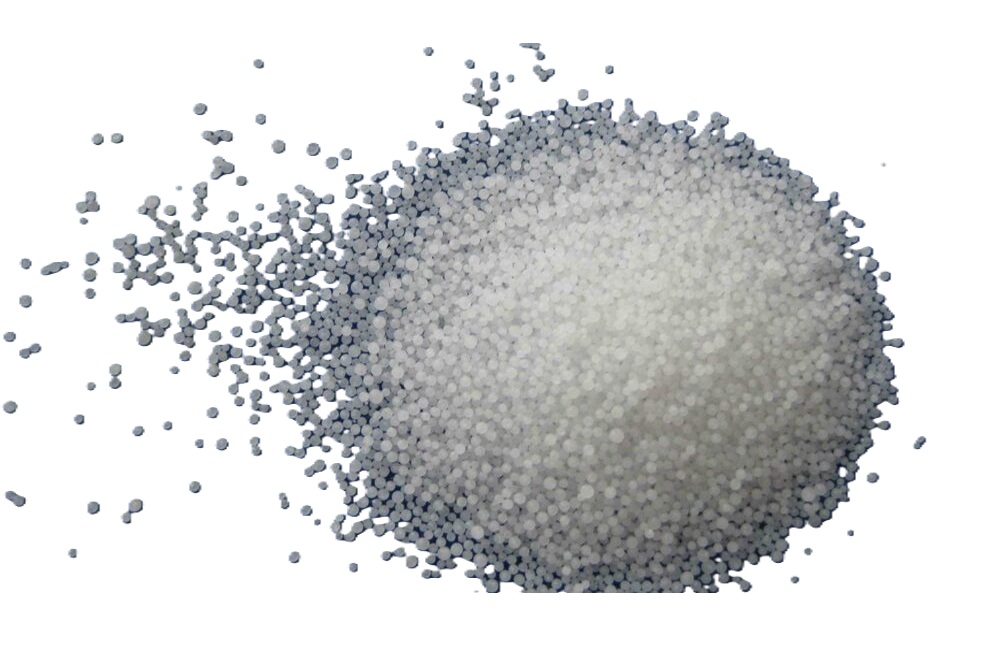
| Appearance | White, spherical beads / granules |
| Odor | Odorless |
| Physical State (20°C) | Solid (beads) |
Caustic Soda Beads (Sodium Hydroxide - NaOH) is a highly versatile, strong alkaline inorganic compound. It is produced in spherical bead form through a prilling process, which offers excellent flowability, minimal dusting, and high purity compared to flake or liquid forms. It is widely used in the chemical, textile, soap and detergent, food processing, water treatment, and petrochemical industries.
SECTION 2: SYNONYMS AND OTHER NAMES
| Type | Name |
|---|---|
| Turkish Names | Boncuk Kostik, Sodyum Hidroksit Boncukları, Pril Kostik, Beyaz Kostik, Sud Kostik (katı form) |
| English Names | Caustic Soda Beads, Sodium Hydroxide Beads, Caustic Soda Pearls, Caustic Soda Prills, Bead Caustic, Lye (solid) |
| Chemical Names | Sodium Hydroxide, Sodium Hydrate |
| CAS Number | 1310-73-2 |
| EC Number | 215-185-5 |
| UN Number | 1823 |
| HS Code | 2815.11 |
SECTION 3: CHEMICAL STRUCTURE
3.1. Molecular Structure
Sodium hydroxide is an ionic compound consisting of sodium cations (Na⁺) and hydroxide anions (OH⁻). The compound forms a crystalline structure in solid state and dissociates completely into Na⁺ and OH⁻ ions in aqueous solution.
Structural Formula:
text
Na⁺ OH⁻
Ionic Representation:
NaOH → Na⁺ + OH⁻ (in aqueous solution)
3.2. Molecular Formula
NaOH
3.3. Molecular Weight
40.00 g/mol
3.4. Key Structural Features
| Feature | Description |
|---|---|
| Cation | Sodium (Na⁺) |
| Anion | Hydroxide (OH⁻) |
| Bond Type | Ionic bond |
| Crystal Structure | Cubic (rock salt structure) |
| Appearance | White spherical beads |
| pH (1% solution) | > 13 (strongly alkaline) |
SECTION 4: PHYSICAL AND CHEMICAL PROPERTIES
| Property | Value |
|---|---|
| Appearance | White, spherical beads / granules |
| Odor | Odorless |
| Molecular Weight | 40.00 g/mol |
| Density (20°C) | 2.13 g/cm³ |
| Bulk Density | ~0.9 – 1.1 g/cm³ (depending on bead size) |
| Melting Point | 318 °C |
| Boiling Point | 1,388 °C |
| pH (1% solution) | > 13 |
| Water Solubility (20°C) | ~1,090 g/L (highly soluble) |
| Solubility in Ethanol | Partially soluble |
| Solubility in Methanol | Partially soluble |
| Solubility in Ether | Insoluble |
| Hygroscopicity | High (absorbs moisture and CO₂ from air) |
| Vapor Pressure | 1 mmHg (at 739°C) |
| Corrosive Properties | Attacks glass, porcelain, aluminum, zinc, tin |
| Refractive Index | 1.357 (aqueous solution) |
| Specific Heat | 1.47 J/g·K |
SECTION 5: TYPICAL CHEMICAL ANALYSIS VALUES
| Component | Percentage (Typical) |
|---|---|
| NaOH (Purity) | 98.0 – 99.5% |
| Na₂CO₃ | ≤ 0.8% |
| NaCl | ≤ 0.1% |
| Fe₂O₃ | ≤ 0.005% |
| Moisture | ≤ 0.7% |
SECTION 6: REACTION WITH WATER (CRITICAL WARNING)
| Parameter | Information |
|---|---|
| Reaction Type | Strongly exothermic |
| Reaction Equation | NaOH + H₂O → Heat (≈ 44 kJ/mol released) |
| Temperature Rise | Temperature rapidly rises to 50-90°C during dissolution |
| Critical Warning | NEVER ADD WATER TO CAUSTIC SODA - violent boiling and splashing risk |
| Safe Practice | ALWAYS ADD CAUSTIC SODA TO WATER - slowly and with continuous stirring |
SECTION 7: BEAD VS. FLAKE VS. LIQUID COMPARISON
| Property | Caustic Soda Beads | Caustic Soda Flakes | Caustic Soda Liquid (50%) |
|---|---|---|---|
| Dust Generation | Very low | High | None |
| Flowability | Excellent (ball-like) | Poor (cakes) | - |
| Moisture Resistance | High | Low | - |
| Dosing Accuracy | High | Medium | High (pump) |
| Dissolution Rate | Controlled | Very fast (risky) | Instant (already dissolved) |
| Transport Cost | Low (dry) | Low | High (water transported) |
| Storage | Bags, dry warehouse | Bags | Stainless steel tanks |
| Shelf Life | Long (sealed) | Medium | Unlimited (proper conditions) |
| Automation Suitability | Excellent | Poor | Excellent |
SECTION 8: APPLICATIONS AND INDUSTRIAL USES
8.1. Cleaning Industry
| Application | Description |
|---|---|
| Drain Cleaners | Dissolves fats, oils, and organic matter in clogged drains. |
| Industrial Degreasers | Removes heavy oils and greases from surfaces. |
| Oven Cleaners | Breaks down baked-on grease and carbon deposits. |
| Surface Cleaners | General industrial cleaning formulations. |
8.2. Soap and Detergent Industry
| Application | Description |
|---|---|
| Saponification | Reacts with fats and oils to produce soap. |
| Detergents | Serves as a builder and soil remover in detergent formulations. |
| Surfactant Production | Used in the production of various surfactants. |
8.3. Food Processing
| Application | Description |
|---|---|
| Olive Processing | Removes bitterness from table olives. |
| Fruit and Vegetable Peeling | Peeling of potatoes, tomatoes, and other fruits/vegetables. |
| Food Additive | E524 (acidity regulator, pH adjuster). |
| Cocoa Processing | Alkalization of cocoa powder. |
8.4. Textile Industry
| Application | Description |
|---|---|
| Mercerization | Treats cotton fabrics to improve luster, strength, and dye affinity. |
| Desizing | Removes sizing agents from fabrics. |
| Bleaching Preparation | Prepares fabrics for bleaching processes. |
| Dye Fixation | Fixes dyes on cellulosic fibers. |
8.5. Pulp and Paper Industry
| Application | Description |
|---|---|
| Lignin Removal | Removes lignin during pulping (Kraft process). |
| De-inking | Removes ink from recycled paper. |
| Paper Sizing | Used in paper sizing operations. |
8.6. Water and Wastewater Treatment
| Application | Description |
|---|---|
| pH Adjustment | Raises and stabilizes pH in water treatment. |
| Heavy Metal Precipitation | Precipitates heavy metals as hydroxides (Cu, Pb, Zn, Cd, etc.). |
| Alkalinity Adjustment | Adjusts alkalinity in boiler feed water. |
8.7. Petrochemical Industry
| Application | Description |
|---|---|
| Sulfur Removal | Removes sulfur and acidic components from petroleum products. |
| Refining | Used in various refining processes. |
8.8. Metal Processing
| Application | Description |
|---|---|
| Degreasing | Removes oils and greases from metal surfaces. |
| Rust Removal | Prepares metal surfaces for galvanizing and plating. |
| Aluminum Etching | Used in aluminum surface treatment. |
8.9. Biodiesel Production
| Application | Description |
|---|---|
| Transesterification Catalyst | Catalyzes the reaction of vegetable oils with methanol to produce biodiesel. |
8.10. Chemical Synthesis
| Application | Description |
|---|---|
| Sodium Cyanide Production | Used in the production of sodium cyanide. |
| Dye Production | Used in the synthesis of various dyestuffs. |
| Organic Synthesis | Used in many organic and inorganic synthesis reactions. |
| Neutralization Reactions | Neutralizes acidic waste streams. |
SECTION 9: SAFETY AND HEALTH HAZARDS
9.1. Health Effects
| Route of Exposure | Effect | First Aid |
|---|---|---|
| Skin Contact | Severe burns, tissue damage, deep ulcers | Wash with plenty of water for 15-20 minutes; seek medical attention |
| Eye Contact | Permanent vision loss, corneal damage | Rinse with water (eyelids open); emergency medical attention |
| Inhalation | Respiratory irritation, burning, pulmonary edema | Move to fresh air; oxygen if breathing difficulty |
| Ingestion | Mouth, esophagus, stomach perforation | Do not induce vomiting! Drink 1-2 glasses of water; seek emergency medical attention |
9.2. Personal Protective Equipment (PPE)
| Equipment | Type / Specification |
|---|---|
| Gloves | Nitrile, neoprene, butyl rubber (thick) - latex not suitable |
| Eye Protection | Chemical-resistant safety goggles + face shield |
| Body Protection | Chemical-resistant apron / coverall |
| Respiratory Protection | P2/P3 particulate mask (in dusty environments) |
| Footwear | Chemical-resistant steel-toe work boots |
SECTION 10: GHS CLASSIFICATION AND LABELING
| Hazard Class | Category | H-Statement |
|---|---|---|
| Skin Corrosion/Irritation | Category 1A | H314 |
| Eye Damage/Irritation | Category 1 | H318 |
Signal Word: DANGER
Hazard Pictograms: GHS05 (Corrosion)
Hazard Statements (H-Codes):
| Code | Statement |
|---|---|
| H314 | Causes severe skin burns and eye damage. |
| H318 | Causes serious eye damage. |
SECTION 11: PRECAUTIONARY STATEMENTS (P-CODES)
| Code | Statement |
|---|---|
| P260 | Do not breathe dust. |
| P280 | Wear protective gloves/protective clothing/eye protection/face protection. |
| P301+P330+P331 | IF SWALLOWED: Rinse mouth. Do NOT induce vomiting. |
| P303+P361+P353 | IF ON SKIN (or hair): Remove immediately all contaminated clothing. Rinse skin with water/shower. |
| P305+P351+P338 | IF IN EYES: Rinse cautiously with water for several minutes. Remove contact lenses if present. |
| P310 | Immediately call a POISON CENTER/doctor. |
| P501 | Dispose of contents/container in accordance with local regulations. |
SECTION 12: FIRST AID MEASURES
| Route of Exposure | Action to Be Taken |
|---|---|
| Inhalation | Move to fresh air. If breathing difficulty occurs, administer oxygen and seek medical attention. |
| Skin Contact | Wash with plenty of water for 15-20 minutes. Remove contaminated clothing. Seek medical attention. |
| Eye Contact | Rinse thoroughly with plenty of water for at least 15 minutes. Keep eyelids open. Remove contact lenses. Seek immediate medical attention. |
| Ingestion | Do not induce vomiting. Drink 1-2 glasses of water. Seek immediate medical attention. Never give anything by mouth to an unconscious person. |
SECTION 13: FIRE-FIGHTING MEASURES
| Parameter | Information |
|---|---|
| Fire Hazard | Not flammable; but may generate heat upon contact with water. |
| Hazards During Fire | Thermal decomposition produces toxic fumes (sodium oxides). |
| Suitable Extinguishing Media | Water spray, CO₂, dry chemical powder, dry sand. |
| Special Protective Equipment | Self-contained breathing apparatus (SCBA), full protective clothing. |
| Special Precautions | Avoid water contact with molten NaOH; may cause violent reaction. |
SECTION 14: ACCIDENTAL RELEASE MEASURES
| Parameter | Information |
|---|---|
| Personal Protection | Full PPE (goggles, face shield, chemical-resistant suit, gloves). |
| Ventilation | Increase ventilation; use local exhaust in confined spaces. |
| Containment | Cover spilled area to prevent dust dispersion. |
| Cleaning Methods | Collect dry using vacuum or careful sweeping. Neutralize with dilute acid (HCl, H₂SO₄) before disposal. |
| Environmental Precautions | Prevent entry into drains, sewers, and water bodies. |
| Waste Disposal | Neutralize and dispose of in accordance with local regulations. |
SECTION 15: STORAGE AND SHELF LIFE
| Parameter | Information |
|---|---|
| Storage Conditions | Store in a cool, dry, and well-ventilated area. |
| Temperature | 10-30°C |
| Humidity | Below 50% relative humidity (dry environment). |
| Container Requirements | Keep tightly closed in original packaging. |
| Materials to Avoid | Acids, aluminum, zinc, tin, organic peroxides. |
| Fire Extinguishing | Water spray, dry chemical powder, dry sand. |
| Shelf Life (Unopened) | 24 months (minimum). |
| Shelf Life (Opened, Dry) | 3-6 months. |
| Shelf Life (Opened, Humid) | 1-4 weeks (carbonation and moisture absorption). |
| Signs of Degradation | Caking, discoloration (white to grayish), damp/dull appearance, weight increase. |
SECTION 16: PACKAGING OPTIONS
| Packaging Type | Quantity | Material |
|---|---|---|
| Kraft Bag + PE Liner | 25 kg | Paper / Polyethylene |
| Plastic Drum | 25-50 kg | HDPE |
| Fiber Drum | 25-50 kg | Cardboard / Plastic |
| Big-Bag (FIBC) | 500 – 1000 kg | Polypropylene |
| Silo | Bulk | Stainless steel / Carbon steel (lined) |
SECTION 17: TRANSPORT INFORMATION
| Parameter | Information |
|---|---|
| UN Number | 1823 |
| Hazard Class | 8 (Corrosive Substance) |
| Packing Group | II |
| ADR/RID | UN 1823, Class 8, PG II |
| IMDG Code | UN 1823, Corrosive, Class 8, PG II |
| IATA (Air) | UN 1823, Corrosive, Class 8, PG II |
| Marine Pollutant | No |
| Transport Temperature | Ambient temperature; protect from moisture. |
SECTION 18: ENVIRONMENTAL INFORMATION
| Parameter | Information |
|---|---|
| Aquatic Toxicity | Toxic to aquatic organisms due to high pH (>50 mg/L). |
| Bioaccumulation | Not expected. |
| Biodegradability | Inorganic; not biodegradable. |
| Neutralization | Neutralize with dilute acid (HCl, H₂SO₄) before disposal. |
| Waste Disposal | After neutralization, may be discharged to sewer (subject to local regulations). |
| Ecotoxicology | Can cause significant pH increase in water bodies; harmful to aquatic life. |
SECTION 19: REGULATORY INFORMATION
| Region / Authority | Status |
|---|---|
| European Union (REACH) | Registered; classified as corrosive. |
| USA (TSCA) | Listed. |
| Turkey (KKDIK) | Registered under chemical registration regulations. |
| EU CLP | H314 - Causes severe skin burns and eye damage. |
| GHS Precautionary Statements | P260, P280, P301+P330+P331, P303+P361+P353, P305+P351+P338, P310. |
| Food Additive | E524 (food additive for acidity regulation). |
SECTION 20: OTHER NAMES AND SYNONYMS
| Name | Context |
|---|---|
| Sodium Hydroxide Beads | Official chemical name |
| Caustic Soda Pearls | Commercial trade name |
| Caustic Soda Prills | Commercial trade name |
| Bead Caustic | Common trade name |
| Lye (Solid) | Soap making, food processing |
| White Caustic | General industrial |
| Sud Kostik (Solid) | Turkish (to distinguish from liquid) |
| Drain Cleaner | Consumer products |
SECTION 21: QUICK REFERENCE TABLE
| Property | Value |
|---|---|
| CAS Number | 1310-73-2 |
| EC Number | 215-185-5 |
| UN Number | 1823 |
| Molecular Formula | NaOH |
| Molecular Weight | 40.00 g/mol |
| Appearance | White spherical beads |
| Odor | Odorless |
| pH (1% solution) | > 13 |
| Water Solubility (20°C) | ~1,090 g/L |
| Melting Point | 318 °C |
| Boiling Point | 1,388 °C |
| Typical Purity | 98.0 – 99.5% |
| GHS Classification | Corrosive - Class 8 |
| Main Uses | Cleaning, soap, textile, food, water treatment, petrochemical, biodiesel |
| Shelf Life | 24 months (unopened) |
| Hygroscopicity | High |
SECTION 22: CRITICAL NOTICES AND BEST PRACTICES
CRITICAL NOTICES:
-
Exothermic Reaction with Water: Dissolving caustic soda in water generates significant heat (≈ 44 kJ/mol). Temperature can rapidly rise to 50-90°C. NEVER ADD WATER TO CAUSTIC SODA - violent boiling and splashing may occur. ALWAYS ADD CAUSTIC SODA TO WATER slowly with continuous stirring.
-
Severe Corrosivity: Caustic soda causes severe burns on skin and eyes. Permanent eye damage or blindness can occur. Use full PPE.
-
Hygroscopic Nature: Caustic soda absorbs moisture and carbon dioxide from the air, leading to caking, carbonation, and weight increase. Store in tightly closed containers in dry conditions.
-
Incompatible Materials: Reacts violently with acids, aluminum, zinc, tin, and organic peroxides. Contact with these materials should be avoided.
-
Storage: Store in a cool, dry place below 50% humidity. Keep containers tightly closed. Use sealed packaging for long-term storage.
-
Ingestion: Do not induce vomiting. Seek immediate medical attention.
-
PPE: Always wear chemical-resistant gloves (nitrile, neoprene, butyl rubber), safety goggles with face shield, chemical-resistant clothing, and appropriate respiratory protection.
-
First Aid: In case of contact, rinse immediately with plenty of water for at least 15-20 minutes and seek medical attention.
-
Bead Form Advantages: The bead form offers excellent flowability, minimal dusting, high dosing accuracy, and is ideal for automated systems.
BEST PRACTICE RECOMMENDATIONS:
-
Dissolution: Always add caustic soda beads slowly to water while stirring continuously. Use cold water to manage heat generation. Allow the solution to cool before use.
-
Storage: Store in a cool, dry, well-ventilated area. Keep containers tightly closed. Use a desiccant or dry air purge if storing large quantities.
-
Personnel Protection: Use full PPE (chemical-resistant gloves, safety goggles with face shield, chemical-resistant suit, steel-toe boots, P2/P3 mask).
-
Handling: Use closed transfer systems to prevent dust generation and moisture absorption. Use appropriate corrosion-resistant equipment (stainless steel, plastic, or lined carbon steel).
-
Spill Management: Collect spilled material dry. Neutralize residues with dilute acid (HCl or H₂SO₄) and dispose of according to local regulations. Wash area with plenty of water.
-
Quality Assurance: Test for purity, carbonate content, and moisture content upon receipt. Ensure product meets specified standards.
-
Waste Disposal: Neutralize caustic soda waste with acid to pH 6-8 before disposal. Follow local environmental regulations.
LEGAL DISCLAIMER:
This Technical Data Sheet (TDS) is for informational purposes only and is prepared based on available technical data. The user is solely responsible for determining the suitability of the product for their specific application and for complying with all local, national, and international regulations. For complete safety, storage, handling, transport, waste, and regulatory compliance information, the official Safety Data Sheet (SDS/MSDS) provided by the manufacturer/supplier must be consulted. Caustic soda is a highly corrosive substance and should be handled with extreme caution.