We unleash your business potential by maximize the business innovation.
Send EmailSodium Hypochlorite, Sodium Oxychloride, Disinfectant Solution, 7681-52-9
Product Information – Sodium Hypochlorite (NaOCl)
Synonyms
-
Bleach – Common household name
-
Liquid Bleach – Refers to its liquid form
-
Hypochlorous Acid, Sodium Salt – Chemical name
-
Sodium Oxychloride – Alternative chemical name
Chemical Identification
-
Chemical Formula: NaOCl
-
CAS No: 7681-52-9
-
EINECS No: 231-668-3
Chemical Structure
Sodium hypochlorite consists of a sodium (Na⁺) cation and a hypochlorite (OCl⁻) anion. It is the sodium salt of hypochlorous acid. The structure contains one sodium atom, one oxygen atom, and one chlorine atom.
Physical Properties
| Property | Value / Description |
|---|---|
| Appearance | Colorless or pale yellow liquid |
| Odor | Sharp, characteristic odor |
| Physical State | Clear liquid at room temperature |
| Molecular Weight | 74.44 g/mol |
| Density | ~1.11 g/cm³ |
Applications
-
Water Treatment: Disinfectant for drinking water and industrial water systems
-
Surface Cleaning: Effective in industrial and household cleaning solutions
-
Swimming Pools: Controls microorganisms and maintains hygiene
-
Bleaching Agent: Used in textile and paper industries
Packaging Options
-
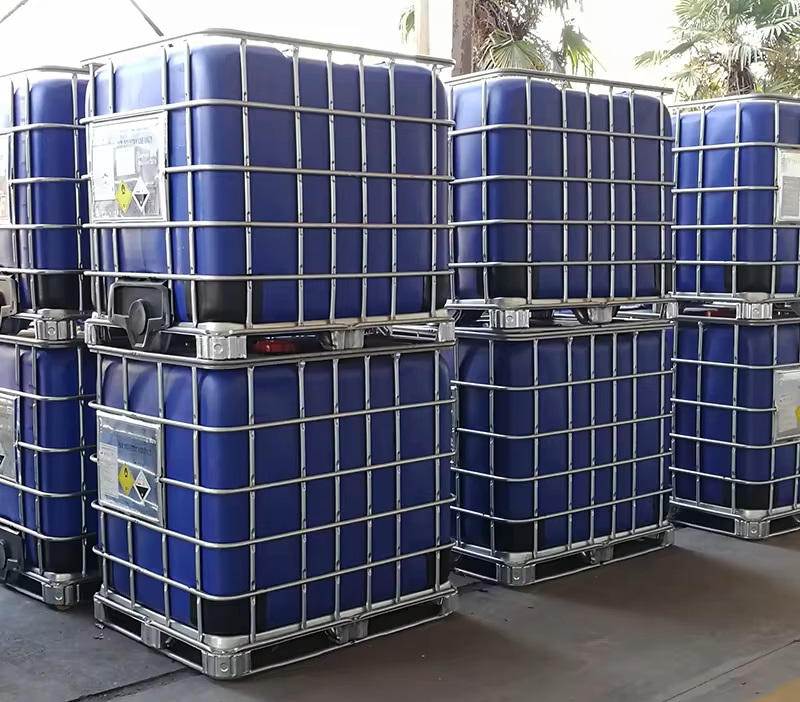
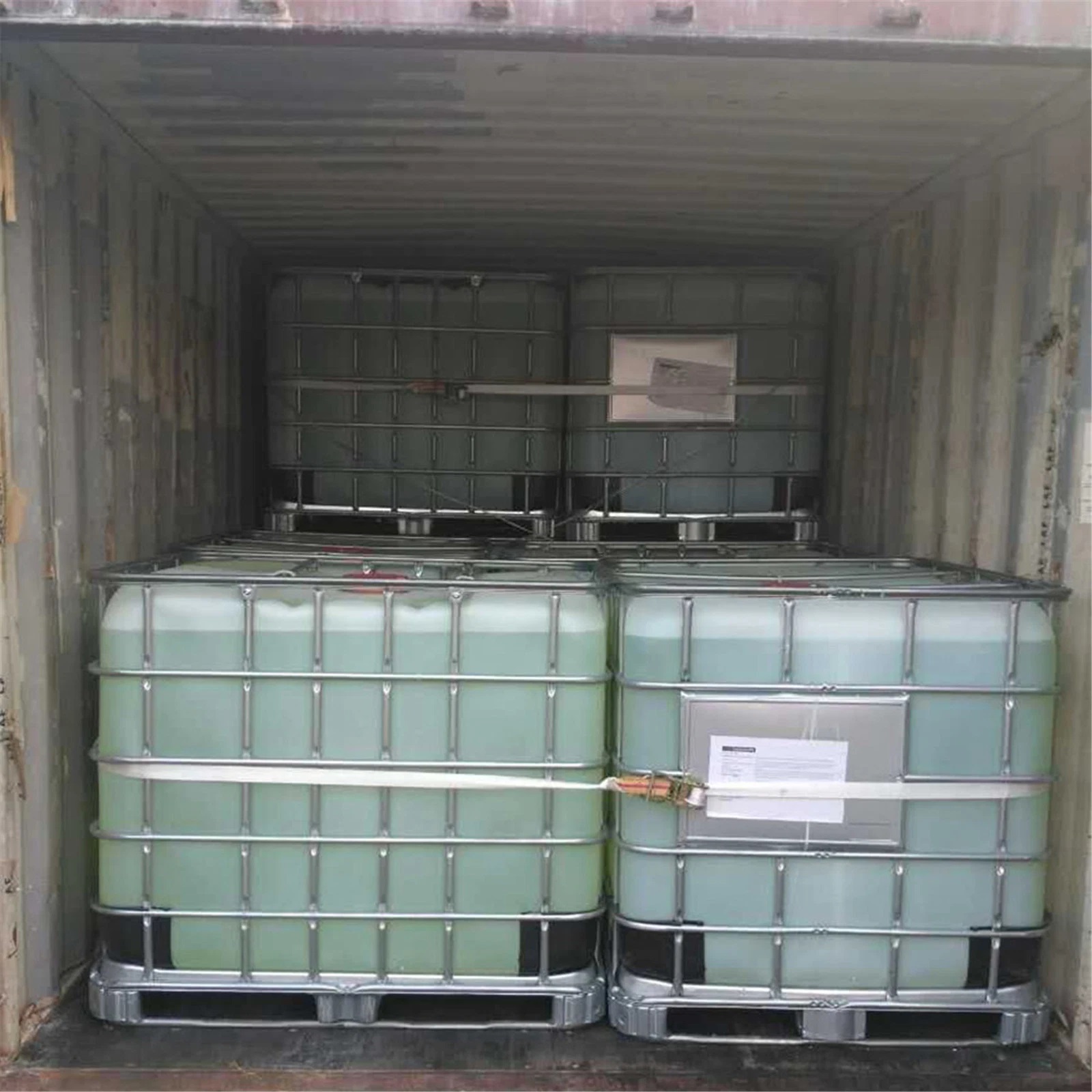
Drum: 75 kg
-
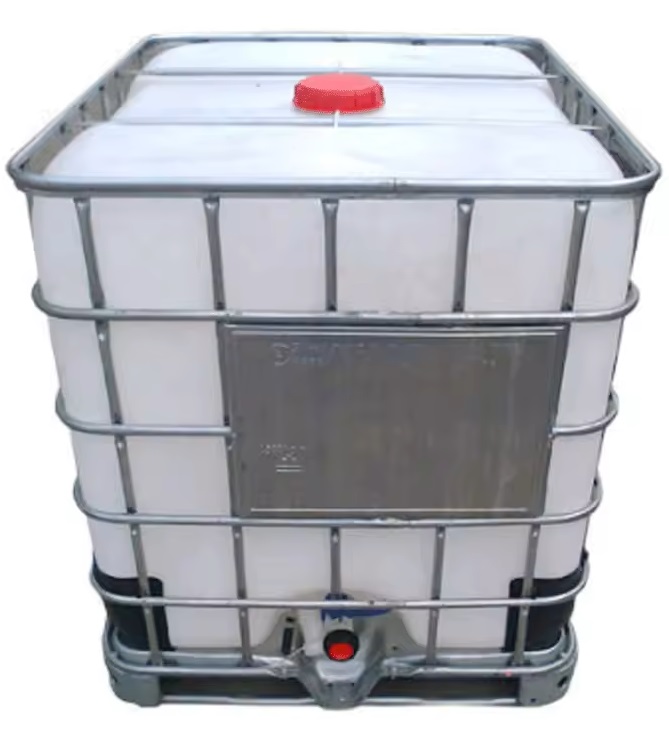
IBC Included: 1150 kg
Sodium Hypochlorite – Sectoral Uses and Typical Dosages
| Sector | Usage Form | Typical Concentration / Dosage | Notes |
|---|---|---|---|
| Water Treatment (Municipal & Industrial) | Added as liquid solution into water streams | 1–5 mg/L (drinking water disinfection); 5–15 mg/L (industrial cooling water) | Used for microbial control, oxidation of iron/manganese, odor removal |
| Swimming Pools | Direct dosing into pool water | 2–4 mg/L free chlorine maintained in pool water | Continuous dosing or shock treatment; prevents algae and bacteria growth |
| Surface Cleaning (Industrial & Household) | Diluted solution applied to surfaces | 0.1–0.5% NaOCl for household cleaning; 1–2% for industrial sanitation | Effective against bacteria, viruses, fungi; used in hospitals, food plants |
| Textile Industry (Bleaching) | Applied to cotton and cellulosic fibers | 1–5 g/L NaOCl solution depending on fabric type | Provides whitening effect; requires neutralization after bleaching |
| Paper & Pulp Industry | Bleaching agent in pulp processing | 0.5–2% NaOCl solution | Used in multi-stage bleaching sequences; controlled to avoid fiber damage |
| Food Industry (Sanitization) | Equipment and surface disinfection | 50–200 ppm available chlorine (≈0.005–0.02% NaOCl) | Applied to food-contact surfaces; rinsing required to meet safety standards |
| Agriculture (Irrigation & Produce Washing) | Wash water treatment | 50–150 ppm available chlorine | Used for washing fruits/vegetables; prevents microbial contamination |
| Healthcare (Hospitals, Laboratories) | Surface and instrument disinfection | 0.5–1% NaOCl for general disinfection; up to 5% for blood spills | WHO recommends 0.5% for Ebola/COVID-19 surface disinfection |
| Wastewater Treatment | Added to effluent streams | 5–20 mg/L depending on contamination | Controls pathogens and odor before discharge |
| Plastics & Polymers | Oxidizing agent in certain syntheses | Process-specific, typically 1–10% solutions | Used in specialty polymer production and chemical intermediates |
🔵 Sodium Hypochlorite – Sectoral Suitability Table
| Sector | Suitability (🔵) | Usage Description |
|---|---|---|
| Water Treatment (Drinking & Industrial) | 🔵🔵🔵 | Most common application; 1–5 mg/L for drinking water, 5–15 mg/L for industrial cooling water. |
| Swimming Pools | 🔵🔵🔵 | Standard pool disinfectant; maintains 2–4 mg/L free chlorine for hygiene. |
| Surface Cleaning (Household & Industrial) | 🔵🔵🔵 | Household cleaning at 0.1–0.5% NaOCl; industrial sanitation at 1–2%. |
| Textile Industry (Bleaching) | 🔵🔵 | Used for bleaching cotton and cellulosic fibers at 1–5 g/L; requires neutralization. |
| Paper & Pulp Industry | 🔵🔵 | Applied in pulp bleaching at 0.5–2% NaOCl; controlled to avoid fiber damage. |
| Food Industry (Sanitization) | 🔵🔵 | Equipment and surface disinfection at 50–200 ppm available chlorine (~0.005–0.02%). |
| Agriculture (Irrigation & Produce Washing) | 🔵🔵 | Used in fruit/vegetable washing at 50–150 ppm; prevents microbial contamination. |
| Healthcare (Hospitals & Labs) | 🔵🔵🔵 | Critical for surface/instrument disinfection; 0.5–1% for general use, up to 5% for blood spills. |
| Wastewater Treatment | 🔵🔵🔵 | 5–20 mg/L dosing for pathogen and odor control in effluent streams. |
| Plastics & Polymers | 🔵 | Limited use as oxidizing agent in specialty polymer synthesis (1–10% solutions). |
🔵 Legend:
-
🔵🔵🔵 → Very high suitability / widespread use
-
🔵🔵 → Moderate suitability / controlled use
-
🔵 → Limited / specialized use