We unleash your business potential by maximize the business innovation.
Send EmailEtidronic acid, Hydroxy Ethylidene Diphosphonic Acid, HEDP, HEDP, HEDPA, 2809-21-4
Chemical Identity
-
Name: 1-Hydroxyethylidene-1,1-diphosphonic acid
-
Synonyms: HEDP, HEDPA, Etidronic acid, Hydroxyethylidene diphosphonic acid
-
CAS No: 2809-21-4
-
EINECS No: 220-552-8
-
Molecular Formula: C₂H₈O₇P₂
-
Molecular Weight: 206.03 g/mol
-
InChIKey: DBVJJBKOTRCVKF-UHFFFAOYSA-N
Physical and Chemical Properties
-
Density (60% solution): 1.45 g/cm³
-
Melting Point: 198–199 °C
-
Boiling Point (Predicted): 578.8 °C
-
pKa values: 1.35, 2.87, 7.03, 11.3 (at 25 °C)
-
pH (1% solution, 25 °C): 1.3–1.8
-
Solubility: Fully soluble in water, miscible with methanol and ethanol
-
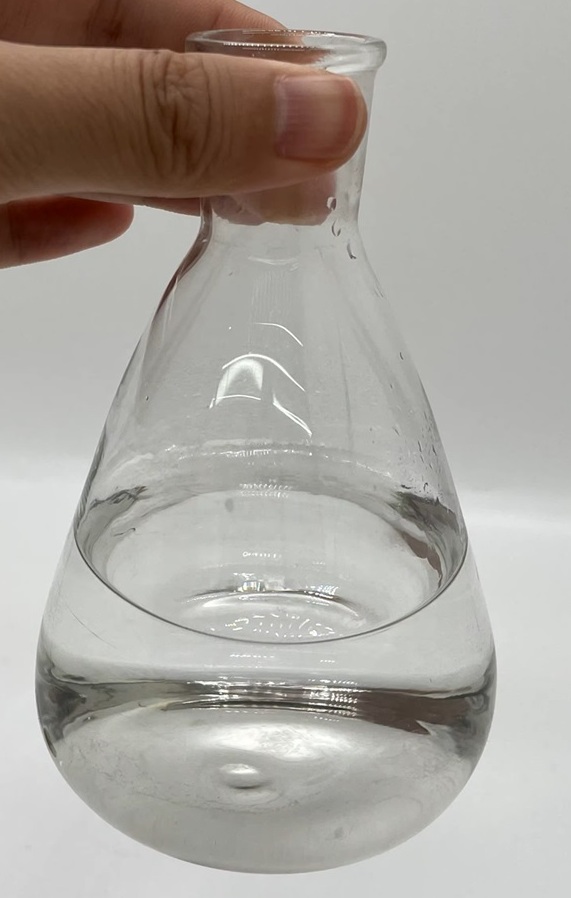
Appearance: Colorless to light yellow liquid or white crystalline powder
-
Stability: Stable under light and heat; incompatible with strong oxidizing agents
Production Methods
-
Phosphorous Acid + Acetic Anhydride
2H3PO3+(CH3CO)2O→C2H8O7P2(HEDP)+CH3COOH
By-product: Acetic Acid
-
Glacial Acetic Acid + Phosphorus Trichloride + Water
CH3COOH+2PCl3+5H2O→C2H8O7P2(HEDP)+6HCl
By-product: Hydrochloric Acid
Applications
-
Water Treatment: Scale and corrosion inhibitor, prevents CaCO₃ precipitation.
-
Power Plants: Used in cooling towers and boilers for scale/corrosion control.
-
Metal Processing: Forms complexes with Cu, Zn, Fe ions; dissolves oxides.
-
Electroplating: Non-cyanide complexing agent, especially for copper plating.
-
Detergents & Cosmetics: Peroxide stabilizer, used in soaps and shampoos.
-
Swimming Pools: Prevents stains and scale, stable in chlorine environments.
-
Oil & Gas: Additive in acidizing solutions to prevent sludge and deposits.
Storage and Packaging
-
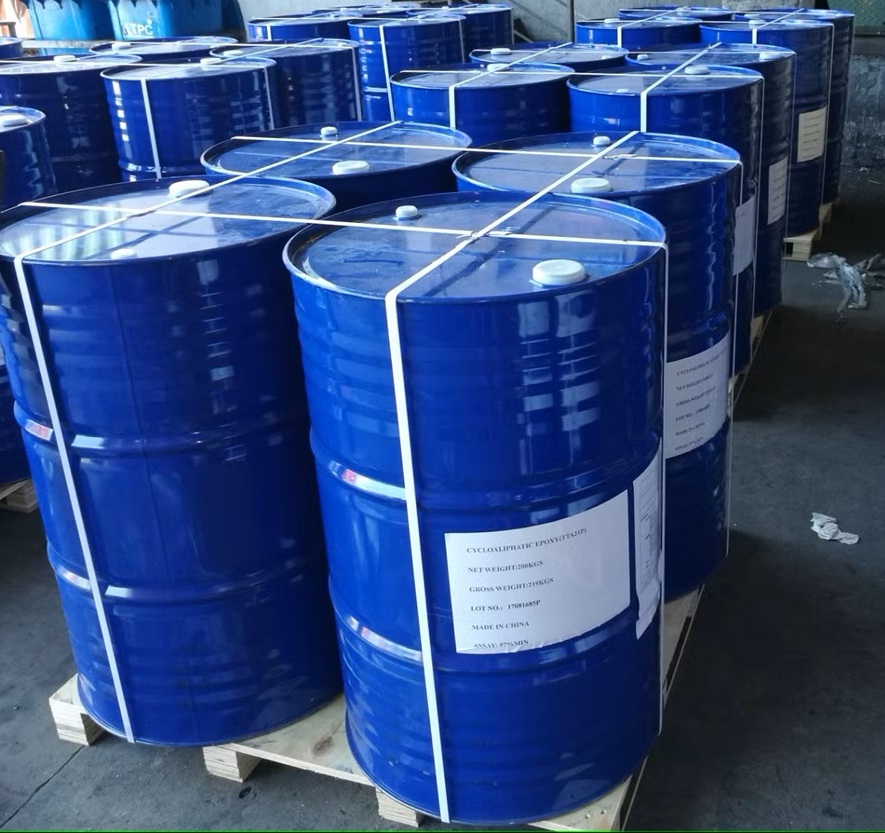
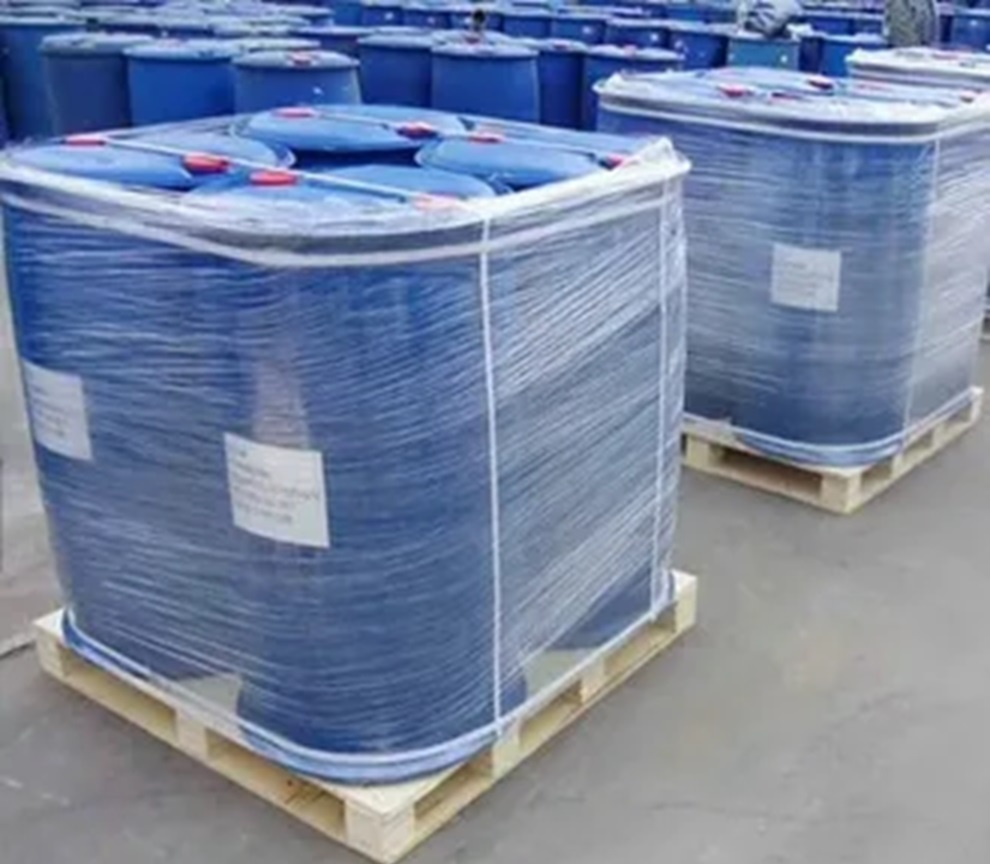
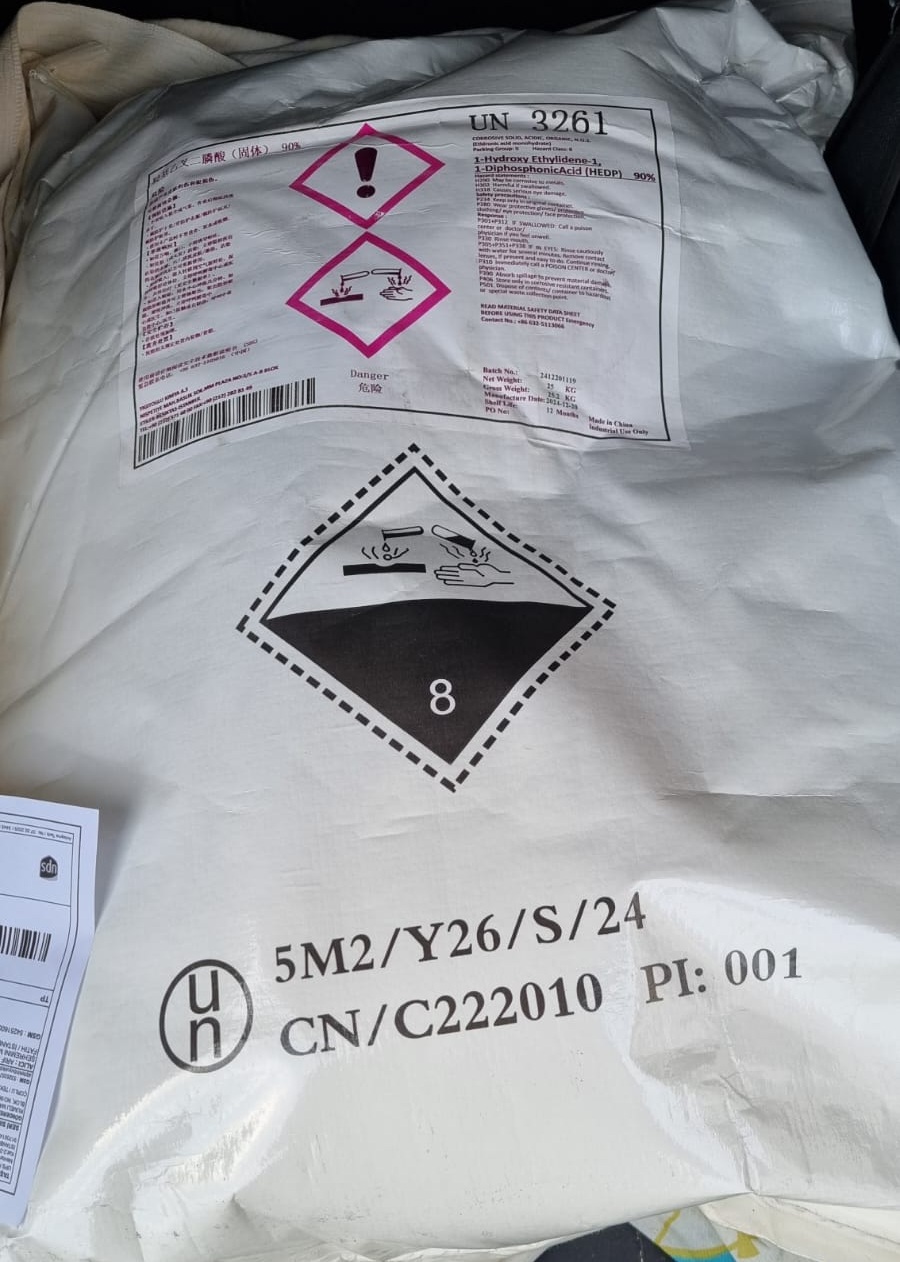
Packaging: 200 L plastic drums, 1000–1450 Kg IBC tanks, 25 Kg bags (powder form).
-
Storage Conditions: Keep in a cool, dry, shaded place; avoid direct sunlight.
-
Shelf Life: Approximately 10 months under proper conditions.
-
Note: Powder form preferred in cold climates to avoid freezing of liquid solution.
Safety and Toxicity
-
Risk Codes: R22 (Harmful if swallowed), R37/38 (Irritating to respiratory system and skin), R41 (Risk of serious eye damage).
-
LD₅₀ (oral, mouse): ~1800 mg/kg.
-
UN No: 3265 (Corrosive liquid, acidic, organic).
-
WGK (Germany): 2 (water hazard class).
-
Precautions: Use gloves, goggles, and protective clothing; rinse immediately with water in case of contact.
Industrial Advantages
-
High thermal stability (up to 250 °C) and tolerance to alkaline conditions.
-
Excellent chlorine resistance, making it suitable for pool and municipal water treatment.
-
Synergistic effects when combined with other inhibitors (zinc salts, polycarboxylates, molybdates).
-
Sectoral applications and typical dosage ranges:
1. Water Treatment & Energy Sector
-
Applications: Cooling towers, boilers, heat exchangers, power plants.
-
Function: Scale inhibitor and corrosion inhibitor.
-
Dosage:
-
2–10 mg/L → scale inhibition.
-
10–50 mg/L → corrosion inhibition.
-
-
Advantages: Stable up to 250 °C, effective under high pH conditions, synergistic with zinc salts and polycarboxylates.
2. Municipal & Potable Water Systems
-
Applications: Municipal water treatment plants, drinking water additives.
-
Function: Prevents precipitation of iron and manganese oxides, stabilizes chlorine.
-
Dosage: 1–10 mg/L.
-
Note: Approved in some countries as a drinking water additive.
3. Swimming Pools
-
Applications: Pool water treatment.
-
Function: Prevents stains and scale, maintains chlorine stability.
-
Dosage: 5–15 mg/L.
-
Advantages: Resistant to chlorine degradation, long-lasting effect.
4. Metal Processing & Electroplating
-
Applications: Non-cyanide electroplating (especially copper plating).
-
Function: Complexing agent, surface activator.
-
Dosage:
-
100–120 mL/L (60% solution) in plating bath.
-
15–20 g/L copper sulfate used together.
-
Pre-treatment: immersion in 1–2% HEDP solution before plating.
-
5. Detergents & Cosmetics
-
Applications: Industrial detergents, soaps, shampoos, personal care products.
-
Function: Peroxide stabilizer, chelating agent for Ca²⁺, Fe²⁺, Cu²⁺, Zn²⁺.
-
Dosage: 1000–2000 mg/L in detergent formulations.
-
Advantages: Improves product stability and prevents discoloration.
6. Textile & Dye Industry
-
Applications: Textile auxiliaries, dye fixation processes.
-
Function: Peroxide stabilizer, chelating agent.
-
Dosage: 10–50 mg/L in process water.
-
Advantages: Stable under high temperature and alkaline conditions.
7. Oil & Gas Industry
-
Applications: Acidizing solutions in oil and gas wells.
-
Function: Prevents sludge and scale formation.
-
Dosage: 50–200 mg/L depending on process conditions.
-
Advantages: Effective under high pressure and temperature.
8. Electronics & Specialty Chemicals
-
Applications: Cleaning agents in electronics manufacturing.
-
Function: High-purity chelating agent for metal ions.
-
Dosage: 5–20 mg/L depending on application.
-
Advantages: Ensures surface cleanliness and prevents ion contamination.
Summary Table
| Sector | Application | Typical Dosage |
|---|---|---|
| Water/Energy | Scale & corrosion inhibition | 2–50 mg/L |
| Municipal/Drinking | Iron/manganese oxide prevention | 1–10 mg/L |
| Swimming Pools | Stain & scale prevention | 5–15 mg/L |
| Electroplating | Complexing agent | 100–120 mL/L |
| Detergents/Cosmetics | Peroxide stabilization | 1000–2000 mg/L |
| Textile/Dye | Auxiliary agent | 10–50 mg/L |
| Oil & Gas | Acidizing solutions | 50–200 mg/L |
| Electronics | Cleaning agent | 5–20 |