We unleash your business potential by maximize the business innovation.
Send EmailLudigol, Sodium Nitro Benzene Sulfonate, Ludigol F, 127-68-4
Ludigol (Sodium 3-Nitrobenzenesulfonate)
Basic Information
-
Chemical Name: Sodium 3-nitrobenzenesulfonate
-
CAS No: 127-68-4
-
Molecular Formula: C6H4NO5S.Na
-
Molecular Weight: 225–226 g/mol
-
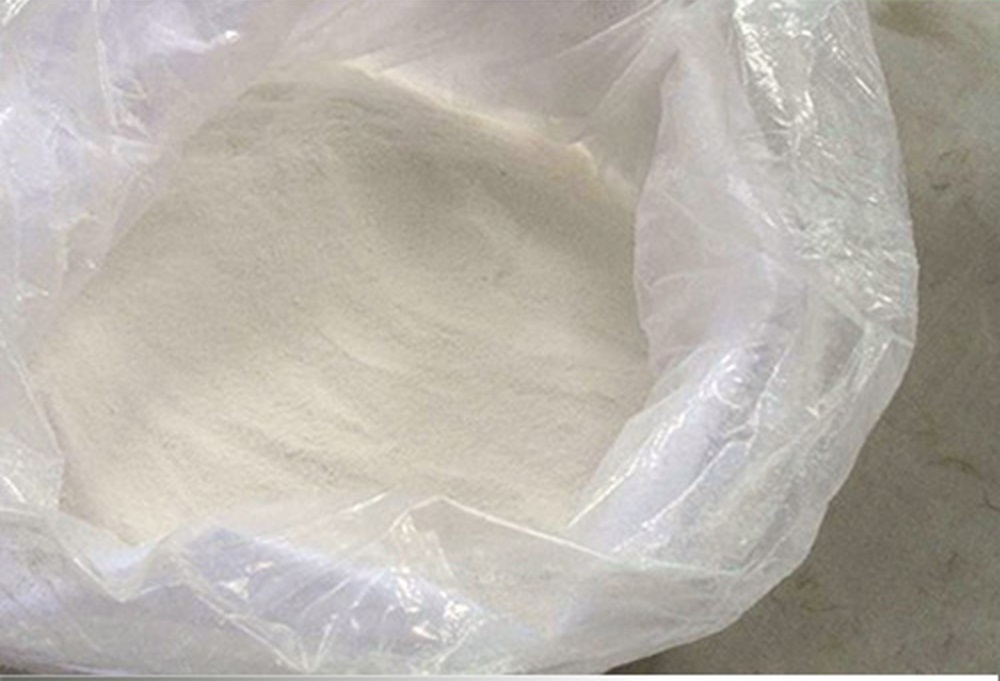
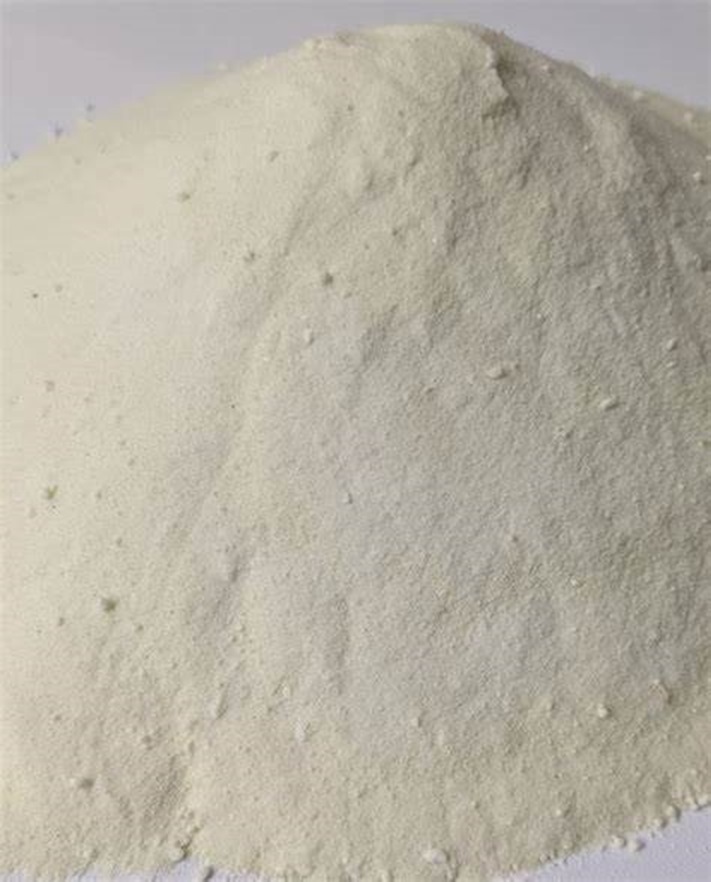
Appearance: White or pale yellow crystalline powder
-
Solubility: Soluble in water
-
Density: ~1.48 g/cm³
-
Odor: Mild, characteristic
Synonyms / Trade Names
-
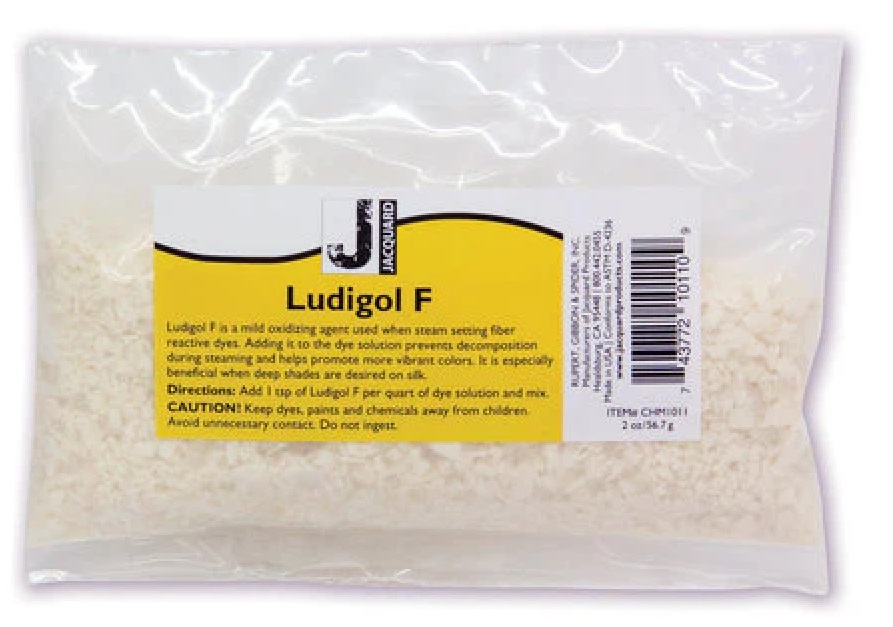
Ludigol F (BASF)
-
NACAN
-
NITROL S
-
Resist Salt / Resist S
-
Sodium 3-nitrobenzenesulfonate
-
3-Nitrobenzenesulfonic acid sodium salt
-
Ludigol 75%, Ludigol 96%
Chemical Properties
-
Function: Mild oxidizing agent, anti-reducing agent
-
Role: Prevents reduction of dyes, enhances color brightness
-
Granules: Dust-free form available
Applications
-
Textile Industry:
-
Prevents reduction of reactive and disperse dyes during steaming
-
Used in re-oxidation of vat dyes
-
Essential for monochlorotriazine dyes (Procion H type)
-
Improves brightness in dark shades and silk dyeing
-
-
Industrial Uses:
-
Auxiliary agent in electronics, photography, and coating industries
-
Brightness enhancer in electroplating baths
-
-
Laboratory Use:
-
Reagent in synthesis of azetidinyl ketolides (antibiotic intermediates)
-
Alternatives
| Alternative Product | Description | Application |
|---|---|---|
| Sodium Nitrite (NaNO₂) | Mild oxidizer | Anti-reducing agent in textile dyeing |
| Sodium Perborate | Oxidizer, bleaching agent | Color fixation in reactive dyes |
| Sodium Persulfate (Na₂S₂O₈) | Strong oxidizer | Post-printing and dye fixation |
| Resist Salt / Resist S | Commercial equivalent | Anti-reducing agent in reactive dyes |
| Ludigol F / Ludigol KN | BASF variants | Steam fixation, dark shade protection |
| Nitrol S / Nacan / Tiskan | Same chemical structure | Marketed under different brands |
Usage
-
Typical dosage: 10 g/kg
-
Purpose:
-
Prevents dye solution degradation
-
Keeps dye solutions fresh for longer
-
Ensures sharper edges in printed fabrics
-
Enhances brightness and stability, especially in dark tones and silk
-
Ludigol – Sectoral Suitability Table
| Sector | Application | Benefit / Function |
|---|---|---|
| Textile | Reactive & disperse dyeing, steaming, vat dye re-oxidation | Prevents dye reduction, enhances brightness, sharper print edges, essential for Procion H dyes |
| Silk & Dark Shades | Dye fixation during steaming | Maintains deep tones, prevents dullness, improves color vibrancy |
| Leather | Dyeing and finishing processes | Stabilizes colors, prevents fading during curing |
| Paper | Dyeing and coating | Improves color fastness and brightness |
| Electronics | Electroplating baths | Acts as brightness enhancer, stabilizes bath chemistry |
| Photography | Auxiliary chemical in developing processes | Controls reduction reactions, improves image clarity |
| Coatings | Industrial coatings and paints | Ensures uniform color fixation, prevents unwanted reduction |
| Laboratory / Pharma | Intermediate in synthesis (e.g., azetidinyl ketolides) | Functions as a reagent in advanced chemical synthesis |
Key Notes:
-
Dosage: Typically 10 g/kg in textile applications.
-
Critical Use: Required for monochlorotriazine dyes (Procion H type) during steaming.
-
Optional Use: For dichlorotriazine (Procion MX) and monofluorotriazine (Cibacron F) dyes, beneficial but not strictly necessary.
-
Alternatives: Sodium nitrite, sodium perborate, sodium persulfate, Resist Salt/S, Ludigol F/KN (BASF variants).