We unleash your business potential by maximize the business innovation.
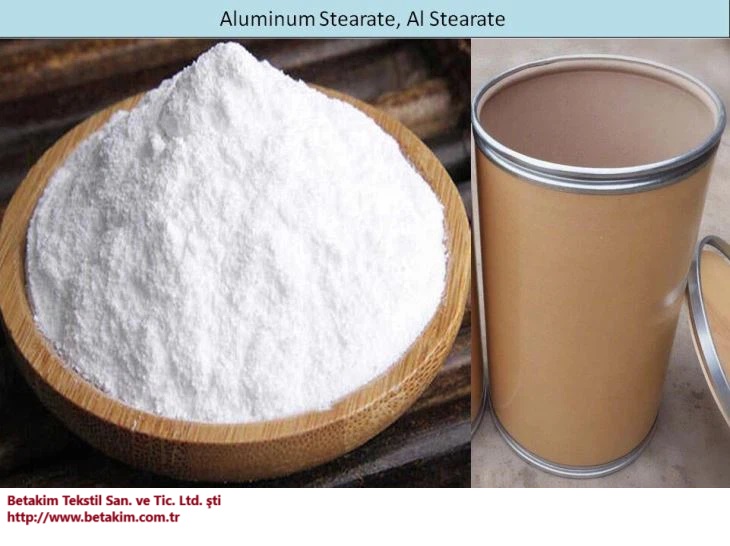
Send EmailAluminium Stearate, Aluminium Tristearate, Aluminium Octadecanoate, Stearic Acid Aluminium Salt, 637-12-7
⚗️ Aluminium Stearates – Comparative Table
|
Type |
Chemical Formula |
CAS No. |
Appearance |
Solubility |
Gel / Viscosity |
Hydrophobicity |
Typical Applications |
|---|---|---|---|---|---|---|---|
|
Aluminium Monostearate |
C₁₈H₃₅O₂Al |
7047-84-9 |
White, waxy powder |
Insoluble in water; soluble in hot oils |
Strong gel-former, heavy body |
High |
Paints, inks, greases, waxes; pharmaceutical excipient; controlled release |
|
Aluminium Distearate |
C₃₆H₇₂AlO₅ |
300-92-5 |
White, waxy powder |
Soluble in mineral spirit, hot oils |
Good gel-former, medium viscosity |
Strong |
Paints, inks, greases, plastics, cement; waterproofing; lubricants |
|
Aluminium Tristearate |
C₅₄H₁₀₅AlO₆ |
637-12-7 |
White, waxy powder (denser) |
Higher solubility in hydrocarbons; insoluble in water/alcohol |
Very strong gel, high viscosity |
Very strong |
Construction chemicals, coatings, waterproofing, high-performance lubricants |
|
General Aluminium Stearate |
— |
10124-27-3 |
Commercial blend |
Non-stoichiometric mixtures |
Properties vary depending on mono/di/tri ratio |
Strong |
Mixed industrial uses; commercial formulations |
📌 Key Insights
-
Mono-stearate (7047-84-9): Heavy gel, used in paints, inks, greases, waxes, pharma.
-
Di-stearate (300-92-5): Versatile, medium viscosity, widely used in paints, plastics, cement, lubricants.
-
Tri-stearate (637-12-7): Strongest hydrophobic and gel properties, preferred in construction and waterproofing.
-
General stearate (10124-27-3): Commercial blends, non-stoichiometric, variable properties.
📑 CAS Numbers of Aluminium Stearates
|
Compound |
Chemical Formula |
CAS No. |
Notes / Typical Applications |
|---|---|---|---|
|
Aluminium Monostearate |
C₁₈H₃₅O₂Al |
7047-84-9 |
Strong gel-forming properties; used in paints, inks, greases, waxes |
|
Aluminium Distearate |
C₃₆H₇₂AlO₅ |
300-92-5 |
Versatile thickener and water-repellent; used in paints, inks, greases, cement |
|
Aluminium Tristearate |
C₅₄H₁₀₅AlO₆ |
637-12-7 |
High hydrophobicity and gel strength; used in construction chemicals, coatings, waterproofing |
|
General Aluminium Stearate |
— |
10124-27-3 |
Commercial mixtures; non-stoichiometric blends of mono-, di-, and tri-stearates |
🏭 Usage Comparison
|
Sector / Application |
Aluminium Distearate |
Aluminium Tristearate |
|---|---|---|
|
Paints & Inks 🎨 |
Thickener, pigment stabilizer, prevents separation |
Enhances water resistance and gloss in varnishes |
|
Greases & Lubricants ⚙️ |
Thickener, stabilizer, lubricant additive |
More durable at high temperatures and pressures |
|
Plastics 🧪 |
Acid scavenger, lubricant, release agent |
Additive in polyamides and thermoset plastics |
|
Cosmetics 💄 |
Emulsifier, stabilizer, viscosity modifier |
Less common; limited due to high viscosity |
|
Pharmaceuticals 💊 |
Emulsion stabilizer, viscosity enhancer, controlled release agent |
Rarely used; limited applications |
|
Construction Chemicals 🏗️ |
Cement/mortar waterproofing additive |
Widely used as hydrophobic agent in construction |
|
Metalworking 🔩 |
Thickener in cutting oils and greases |
High-performance lubricant additive |
|
Oil & Drilling 🛢️ |
Thickener, stabilizer, anti-foaming agent |
Stronger gel and hydrophobic properties for deep drilling |
|
Food & Agriculture 🌱🍞 |
Anti-foaming agent, denitrification substrate, aroma carrier |
Rarely used; limited due to strong hydrophobicity |
📌 Summary
-
Monostearate (CAS 7047-84-9): Strong gel former, used in paints, inks, greases, waxes.
-
Distearate (CAS 300-92-5): Versatile, widely used in paints, inks, greases, plastics, cement.
-
Tristearate (CAS 637-12-7): Strong hydrophobic and gel-forming properties, preferred in construction and waterproofing.
-
General Stearate (CAS 10124-27-3): Commercial blends, non-stoichiometric mixtures.
CAS: 637-12-7
Molecular Formula: C54H105AlO6
Names and Identifiers
|
Name |
Aluminium stearate |
|
Synonyms |
rofob3 |
|
CAS |
637-12-7 |
|
EINECS |
211-279-5 |
|
InChI |
InChI:1S/3C18H36O2.Al/c3*1-2-3-4-5-6-7-8-9-10-11-12-13-14-15-16-17-18(19)20;/h3*2-17H2,1H3,(H,19,20);/q;;;+3/p-3 |
Physico-chemical Properties
|
Molecular Formula |
C54H105AlO6 |
|
Molar Mass |
877.39 |
|
Density |
1.01 |
|
Melting Point |
103°C |
|
Boling Point |
250℃[at 101 325 Pa] |
|
Water Solubility |
Soluble in alkali, glycol, chlorinated hydrocarbons, petroleum, benzene, turpentine oil, mineral oil, vegetable oil, mixture of benzene, toluene and the three xylene isomers. Insoluble in water, ethan |
|
Solubility |
Soluble in ethanol, benzene, turpentine, mineral oil, sodium hydroxide solution, turpentine, toluene, alcohol and other solvents, almost insoluble in water. |
|
Vapor Presure |
0Pa at 25℃ |
|
Appearance |
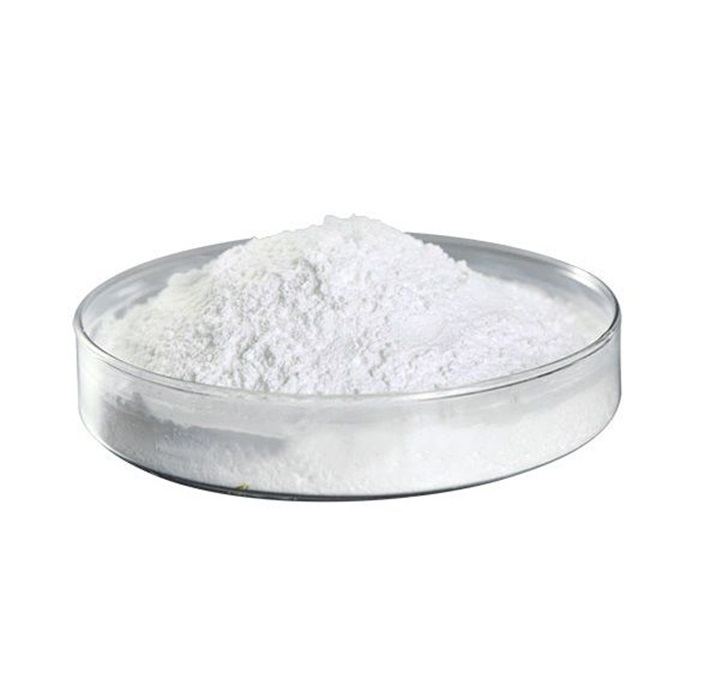
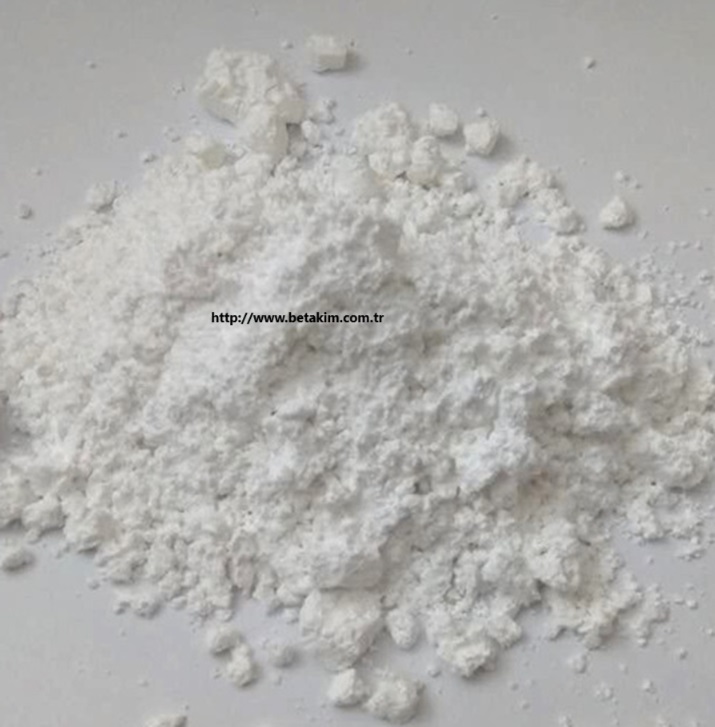
White amorphous powder. |
|
Specific Gravity |
1.01 |
|
Color |
white |
|
Exposure Limit |
ACGIH: TWA 1 mg/m3 |
|
Merck |
14,364 |
|
Storage Condition |
Room Temprature |
|
Stability |
Stable. Incompatible with strong oxidizing agents. |
|
Sensitive |
Easily absorbing moisture |
|
MDL |
MFCD00036389 |
|
Physical and Chemical Properties |
White powder. Insoluble in water, ethanol, ether, soluble in alkali, turpentine, mineral oil, petroleum, kerosene and benzene and other solvents. Decomposition to stearic acid and corresponding salts in the presence of strong acids |
|
Use |
Used as heat stabilizer and lubricant for polyvinyl chloride plastics, anti-settling agent and drier for paint industry, waterproof agent for fabrics, thickening agent for lubricating oil, etc |
Risk and Safety
|
Hazard Symbols |
Xi - Irritant |
|
Risk Codes |
36/37/38 - Irritating to eyes, respiratory system and skin. |
|
Safety Description |
S22 - Do not breathe dust. |
|
WGK Germany |
3 |
|
RTECS |
BD0707000 |
|
TSCA |
Yes |

Upstream Downstream Industry
|
Raw Materials |
Aluminum sulfate |
Nature
white or yellowish powder. The melting point was 117-120 °c. Do not dissolve in water, ethanol, ether, soluble in lye, turpentine. With strong acids can be decomposed into stearic acid and the corresponding aluminum salts.
Preparation Method
with stearic acid as raw material, heating and melting, and sodium hydroxide solution for saponification reaction, and then with aluminum sulfate for double decomposition reaction, finally by washing, centrifugal dehydration, drying.
Introduction
In case of strong acid, it decomposes into stearic acid and corresponding salt.
Use
It is used as a lubricant remover in oil field operations. For the raw materials of metal rust inhibitor, waterproof agent of building materials, polishing agent of ink, thickening agent of cosmetics, etc. Aluminum Stearate is used as a smoothing agent and thickener in coatings, and also has the effect of improving the thixotropy of coating films.
Reference Information
|
LogP |
22.69 |
|
Use |
This product is used for raw materials of metal rust inhibitor, waterproofing agent of building materials, polishing agent of ink, thickening agent of cosmetics, etc. Aluminum Stearate is used as a smoothing agent and thickener in coatings, and also has the effect of improving the thixotropy of coating films. |
|
category |
toxic substances |
|
flammability hazard characteristics |
flammable; Combustion-induced irritating smoke |
|
storage and transportation characteristics |
warehouse ventilation and low temperature drying |
|
extinguishing agent |
dry powder, foam, sand, carbon dioxide |
|
Occupational Standard |
TWA 10 mg/m3 |