We unleash your business potential by maximize the business innovation.
Send EmailPhosphonobutane Tricarboxylic acid, 2‑Phosphonobutane‑1,2,4‑tricarboxylic Acid, PBTC, PBTCa, 37971-36-1
Technical Information – PBTC (2‑Phosphonobutane‑1,2,4‑tricarboxylic acid)
Identifiers
-
CAS Number: 37971‑36‑1 This is the unique international registry number assigned to the compound by the Chemical Abstracts Service. It ensures precise identification of the substance across industries and scientific literature.
-
EINECS: 253‑733‑5 This is the European Inventory of Existing Commercial Chemical Substances number. It identifies PBTC within the EU regulatory framework.
-
Molecular Formula: C₇H₁₁O₉P This shows the composition of the molecule: 7 carbon atoms, 11 hydrogen atoms, 9 oxygen atoms, and 1 phosphorus atom.
-
Molar Mass: 270.13 g/mol The molecular weight of PBTC, important for calculating dosages and chemical reactions.
-
InChIKey: SZHQPBJEOCHCKM‑UHFFFAOYSA‑N A standardized digital identifier used in chemical databases to uniquely represent the structure of PBTC.
-
Synonyms: PBTC is known by several names in industry and commerce, including:
-
PBTC
-
PBTCA
-
2‑Phosphonobutane‑1,2,4‑tricarboxylic acid
-
Dequest 7000
-
Bayhibit AM
-
Mayoquest 2100
-
Belclene 650
-
Codex 551
-
Briquest PBTC
-
🔹 Industrial Significance
PBTC (2‑Phosphonobutane‑1,2,4‑tricarboxylic acid) is considered the latest generation phosphonic carboxylic acid. It combines the functional groups of both phosphonic acid and carboxylic acid, giving it dual performance advantages:
-
Strong scale inhibition (especially calcium carbonate and calcium phosphate)
-
Reliable corrosion inhibition under harsh conditions
-
Low phosphorus content, making it more environmentally acceptable compared to older phosphonates
🔹 Performance Characteristics
-
Thermal Stability: Stable up to 120 °C in aqueous systems, no hydrolysis observed.
-
Chemical Resistance: Acid‑resistant, alkali‑resistant, oxidant‑resistant.
-
Compatibility: Works synergistically with zinc salts, polyphosphates, copolymers, and azoles.
-
High Concentration Tolerance: Allows circulating cooling water concentration ratios >7.
-
Excellent Complexation: Strong binding with Ca²⁺, Mg²⁺, Zn²⁺, Cu²⁺ ions.
-
Dispersion Ability: Effective in water with high turbidity and iron content.
🔹 Applications
-
Water Treatment: Cooling towers, boilers, reverse osmosis, oilfield injection water.
-
Petroleum & Chemical Industry: Prevents scaling and corrosion in injection wells and process water.
-
Power Generation: Industrial boiler water treatment.
-
Detergent Industry: Chelating agent and metal cleaning additive.
-
Textile Industry: Dispersant to prevent dye particle clumping.
-
Ceramics Industry: Improves dispersion of ceramic particles.
🔹 Safety Profile
-
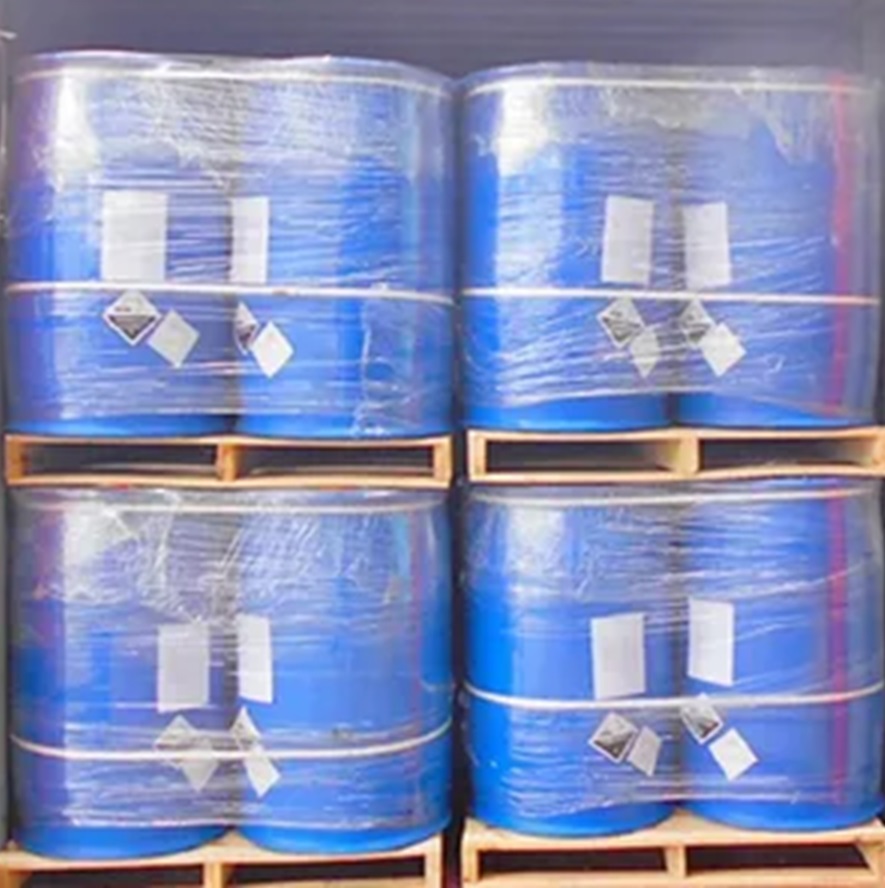
Hazard Class: 8 (Corrosive)
-
UN ID: 3265
-
Packing Group: III
-
Risk Code: R34 – Causes burns
-
Oral LD₅₀ (rats): >6500 mg/kg (low toxicity)
-
Irritation: Moderate eye irritation in rabbit mucosal tests
-
Precautions: Protective gloves, goggles, and clothing required during handling
Summary: PBTC is a versatile, high‑performance scale and corrosion inhibitor with superior stability under extreme water conditions. Its synergy with zinc salts and copolymers, combined with low toxicity and environmental acceptability, makes it one of the most widely used phosphonates in modern water treatment, petroleum, power generation, and detergent industries.
PBTC (Bayhibit AM, Dequest 7000, Mayoquest 2100, Belclene 650, Codex 551, Briquest PBTC)
Properties
-
Chemical Formula: C₇H₁₁O₉P
-
Molecular Weight: ~270 g/mol
-
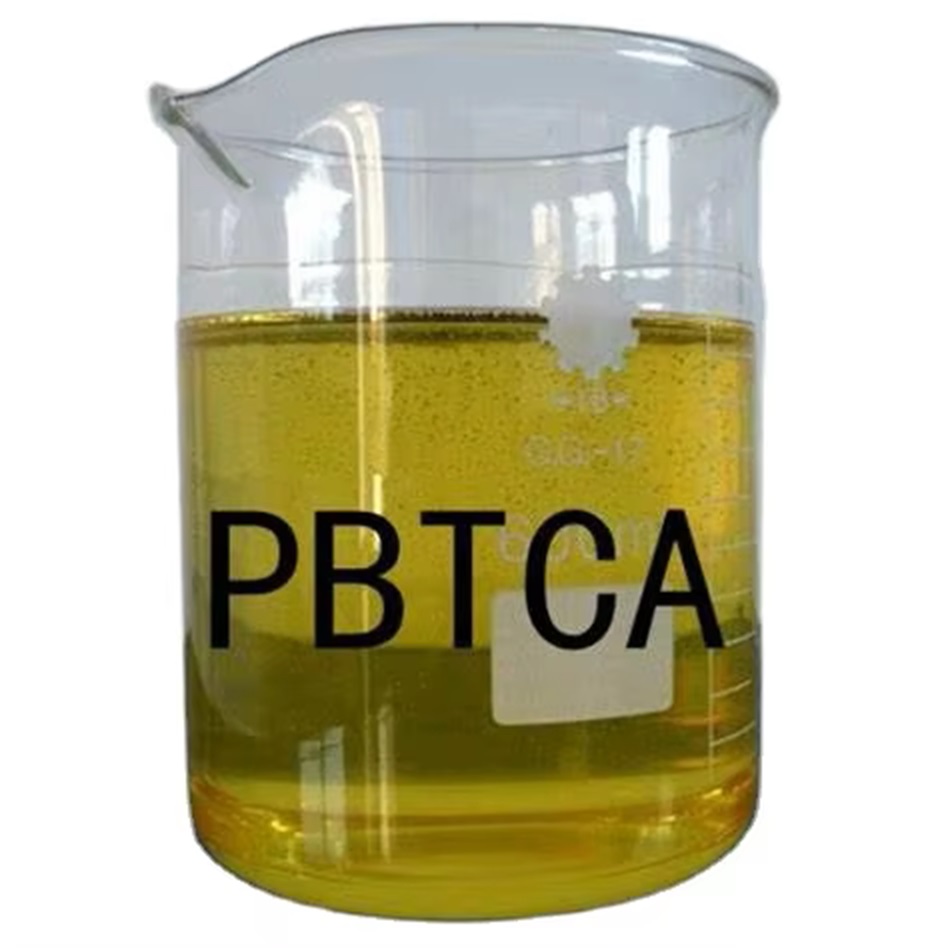
Appearance: Typically supplied as a 50% aqueous solution (also available in powder form)
-
CAS Number: 37971‑36‑1
Key Advantages
-
Excellent calcium carbonate scale inhibition
-
Strong corrosion inhibition in cooling water and industrial systems
-
Hydrogen peroxide stabilization (important in bleaching and cleaning formulations)
-
High calcium tolerance and alkaline stability
-
Synergistic with zinc salts and copolymers
Applications
-
Water Treatment: Cooling towers, boilers, reverse osmosis, oilfield injection water
-
Cleaning Formulations: Industrial and institutional detergents
-
Metal Treatment: Surface finishing and passivation
-
Textile Industry: Dispersant in dyeing auxiliaries
-
Paper Industry: Improves process stability
-
Sugar Industry: Used in refining processes
🔹 Phosphonates – Broader Context
Phosphonates are organic phosphorus compounds with strong chelating ability and high water solubility. They are widely used in:
-
Water treatment (scale and corrosion inhibition)
-
Detergents and cleaning products (binding hardness ions)
-
Industrial processes (metal protection, dispersants)
-
Agriculture (stabilizers, micronutrient carriers)
Common Phosphonates – Full Names & Applications
| Abbreviation | Full Chemical Name | Formula | Key Features | Typical Applications |
|---|---|---|---|---|
| ATMP | Aminotris (methylenephosphonic acid) | N(CH₂PO₃H₂)₃ | Excellent chelation, effective at very low concentrations, stable at high temperature | Water softening, industrial cleaning, coatings, detergents |
| DTMPA | Diethylenetriaminepenta (methylenephosphonic acid) | (CH₂PO₃H₂)₂NCH₂CH(NHPO₃H₂)₂ | Strong binding of Ca²⁺, Mg²⁺, Fe³⁺; effective across wide pH | Boilers, cooling towers, detergents, paints |
| EDTMPA | Ethylenediaminetetra (methylenephosphonic acid) | (CH₂PO₃H₂)₂NCH₂CH(NHPO₃H₂)₂ | High thermal stability, broad pH range | Harsh industrial water systems, cleaning, coatings |
| PBTC / PBTCA | 2‑Phosphonobutane‑1,2,4‑tricarboxylic acid | C₇H₁₁O₉P | Latest generation, excellent scale/corrosion inhibition, synergistic with zinc salts | Cooling water, oilfield injection, detergents, textiles |
🔹 Key Notes
-
ATMP → Oldest generation, strong chelation, widely used in detergents and water treatment.
-
DTMPA → More complex structure, excellent for multi‑metal ion binding.
-
EDTMPA → High stability under heat and pH extremes, used in demanding systems.
-
PBTC (Bayhibit AM, Dequest 7000, etc.) → Newest generation, superior performance under high temperature, high hardness, and high alkalinity conditions.
Summary: PBTC (PBTCA) stands out among phosphonates as the most advanced and versatile corrosion/scale inhibitor, especially effective in high‑stress water treatment environments. ATMP, DTMPA, and EDTMPA remain widely used, but PBTC offers better synergy with zinc salts and superior stability, making it the preferred choice in modern formulations.