We unleash your business potential by maximize the business innovation.
Send EmailAntimony Trioxide, Diantimony Trioxide, Antimonous Oxide, Antimony White, ATO, 1309-64-4, 1327-33-9
ANTIMONY TRIOXIDE (ATO)
PRODUCT IDENTIFIER INFORMATION
| Parameter | Information |
|---|---|
| Product Name | Antimony Trioxide (ATO) |
| Chemical Name (IUPAC) | Diantimony Trioxide |
| CAS Number | 1309-64-4 |
| EC Number (EINECS) | 215-175-0 |
| Molecular Formula | Sb₂O₃ |
| Molecular Weight | 291.52 g/mol |
SECTION 1: CHEMICAL IDENTITY AND DESCRIPTION
| Parameter | Information |
|---|---|
| Chemical Name (IUPAC) | Diantimony Trioxide |
| Systematic Name | Antimony(III) Oxide |
| Synonyms | Antimony Trioxide, Diantimony Trioxide, Antimonous Oxide, Antimony White, Pigment White 11, ATO, Antimon Oksit, Antimuan Oksit |
| CAS Number | 1309-64-4 (primary industrial grade) |
| EC Number (EINECS) | 215-175-0 |
| Molecular Formula | Sb₂O₃ |
| Molecular Weight | 291.52 g/mol |
| Chemical Class | Inorganic metal oxide (amphoteric) |
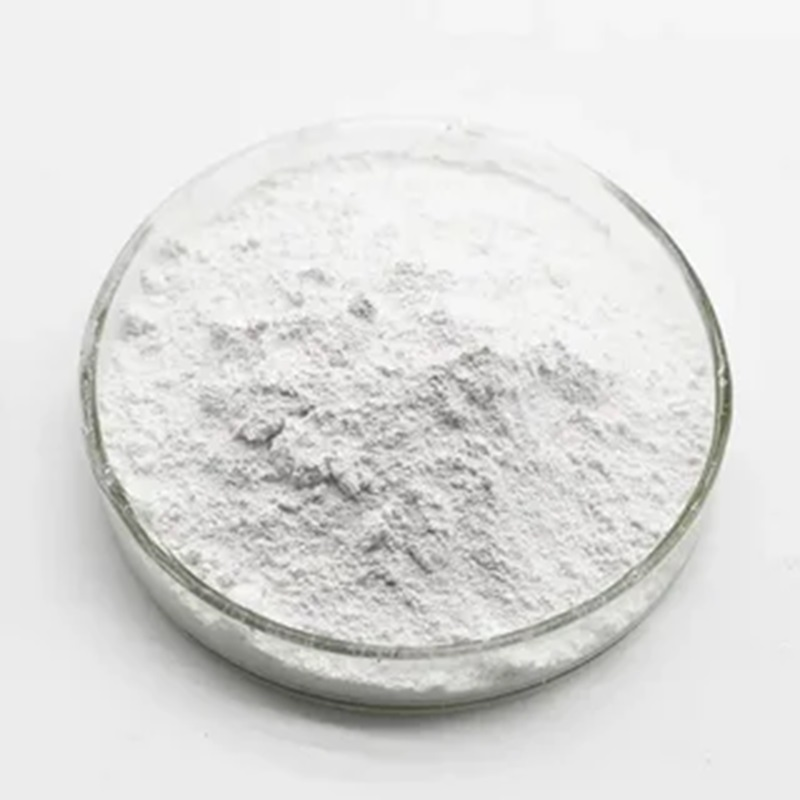
| Physical State (20°C) | Solid (white, odorless, crystalline powder, granules, or pellets) |
| Crystal Structure | Cubic (senarmontite) – most stable industrial form; orthorhombic (valentinite) also exists |
| Odor | Odorless |
| Note | Most widely used antimony compound in industry. Critical role in flame retardancy, catalysis, glass-ceramic opacification, and pigment applications. |
SECTION 2: PHYSICAL AND CHEMICAL PROPERTIES
| Property | Value | Test Method |
|---|---|---|
| Appearance | White crystalline powder, granules, or pellets | Visual |
| Odor | Odorless | Olfactometric |
| Molecular Weight | 291.52 g/mol | Calculated |
| Density (Cubic Form) | 5.2 g/cm³ | ASTM D4052 |
| Melting Point | 656°C | DSC |
| Boiling Point | 1425°C (sublimes) | TGA |
| Solubility in Water (20-23°C) | Insoluble (~370 µg/L) | Gravimetric |
| Solubility in Ethanol | Insoluble | General Method |
| Solubility in Mineral Acids | Soluble in HCl, H₂SO₄, HNO₃ | General Method |
| Solubility in Strong Bases | Soluble | General Method |
| Thermal Stability | High; stable up to melting point | |
| Amphoteric Character | Reacts with both acids and strong bases | |
| Flash Point | Non-flammable (flame retardant synergist) | Not applicable |
SECTION 3: CHEMICAL PROPERTIES AND REACTIVITY
| Parameter | Information |
|---|---|
| Chemical Character | Amphoteric inorganic oxide; flame retardant synergist |
| Stability | Stable under normal conditions; high thermal stability |
| Reaction with Halogen Acids | Sb₂O₃ + 6HX → 2SbX₃ + 3H₂O (synergistic flame retardant mechanism) |
| Reaction with Acids | Forms antimony salts (SbCl₃, Sb₂(SO₄)₃) |
| Reaction with Strong Bases | Forms antimonites |
| Incompatible Materials | Strong reducing agents, strong oxidizing agents, hydrogen (reduction to SbH₃) |
| Decomposition Products (Heating) | Above 656°C: Sb₄O₆ vapor species (sublimation) |
| Hazardous Polymerization | Does not occur |
SECTION 4: FLAME RETARDANT MECHANISM OF ACTION
| Stage | Mechanism | Description |
|---|---|---|
| 1. Halogen Release (200-300°C) | Thermal decomposition | Halogen source in polymer matrix (e.g., brominated FR) releases HX (HCl, HBr) |
| 2. Antimony Trihalide Formation | Synergistic reaction | Sb₂O₃ + 6HX → 2SbX₃ + 3H₂O |
| 3. Gas Phase Radical Scavenging | Flame inhibition | SbX₃ scavenges high-energy H• and OH• radicals, suppressing combustion chain reaction |
| 4. Solid Phase Barrier | Char formation | SbX₃ partially condenses on surface forming protective char layer; inhibits oxygen diffusion and heat transfer |
Synergy Result: With only 4-8% Sb₂O₃ + halogenated FR (by polymer weight), high performance ratings such as UL94 V-0 can be achieved.
SECTION 5: COMMERCIAL FORMS COMPARISON
| Property | Powder Form | Masterbatch Form (e.g., 90% Sb₂O₃ + 10% EVA) |
|---|---|---|
| Form | Fine white powder | Dust-free, free-flowing granules |
| Occupational Safety | Local exhaust ventilation and mask mandatory | No dust exposure; open dosing possible |
| Dispersion | Tendency to agglomerate; high shear required | Pre-dispersed in EVA; homogeneous |
| Processing | Bridging in feed; filter clogging | Precise dosing; stable extrusion |
| Main Applications | Catalyst, glass, ceramics, paint | Cable, engineering plastics, automotive, electronics |
SECTION 6: PRIMARY APPLICATION AREAS
| Sector / Application | Function | Typical Loading / Notes |
|---|---|---|
| Flame Retardant (Largest Market) | Synergist with halogenated systems | 2-10% by polymer weight; PVC, PE, PP, ABS, PA, epoxy, cable, automotive |
| PET Catalyst | Polycondensation catalyst in polyester production | Dissolved in ethylene glycol, fed to reactor; powder form only |
| Glass and Ceramics | Opacifier, decolorizer, refining agent | Matte white opacity in glazes and enamels; masks green tint in glass |
| Pigment (Pigment White 11) | Opacifier in high-temperature paints and coatings | Provides thermal stability and UV opacity |
| Friction Materials | Thermal stability in brake pads and clutch discs | Stabilizes friction coefficient, reduces fire risk |
SECTION 7: ALTERNATIVES AND COMPARISON
| Alternative Class | Main Advantage | Main Limitation |
|---|---|---|
| Metal Phosphinates | High performance, lightweight, recyclable | High cost |
| Zinc Borate | Smoke suppression, synergy in PVC | May affect color |
| Zinc Stannate | High thermal stability, Sb₂O₃-like mechanism | Medium-high cost |
| Calcium Hypophosphite | Low toxicity, good smoke suppression | Optimum performance limited to styrenics |
| Metal Hydroxides (ATH, MDH) | Low cost, very safe | Very high loading required (>50%); mechanical loss |
Important Note: No alternative is a direct "drop-in" replacement; formulation optimization is mandatory.
SECTION 8: QUALITY SPECIFICATIONS (INDUSTRIAL GRADE)
| Parameter | Specification | Test Method |
|---|---|---|
| Appearance | White crystalline powder or granules | Visual |
| Purity (Sb₂O₃) | ≥ 99.5% | Titrimetric / XRF |
| Arsenic (As) | ≤ 500 ppm (low As grade available) | ICP-MS / AAS |
| Lead (Pb) | ≤ 500 ppm | ICP-MS |
| Iron (Fe) | ≤ 100 ppm | AAS |
| Chloride (Cl⁻) | ≤ 500 ppm | Argentometric |
| Particle Size (Powder) | 0.5 – 3.0 µm (D50) | Laser Diffraction |
| Residue on Sieve (325 mesh) | ≤ 0.1% | Sieve Analysis |
| Loss on Ignition (600°C) | ≤ 0.5% | Gravimetric |
| Whiteness | ≥ 95% | Spectrophotometric |
SECTION 9: TOXICOLOGICAL PROFILE
| Parameter | Value |
|---|---|
| Acute Oral Toxicity (LD50, Rat) | > 20,000 mg/kg (low acute toxicity) |
| Acute Inhalation Toxicity (LC50, Rat, 4h) | ~3.5-5.0 mg/L (harmful) |
| Skin Irritation | Mild irritant |
| Eye Irritation | Mechanical irritant (dust) |
| Respiratory Irritation | Inhalation of dust may cause respiratory irritation |
| Carcinogenicity (IARC) | Group 2B – Possibly carcinogenic to humans (lung tumors in animal studies) |
| Mutagenicity | Negative in Ames test |
| Reproductive Toxicity | Limited evidence; no conclusive data |
| Occupational Exposure Limit (8h TWA) | ACGIH: 0.5 mg/m³; EU Directive 2019/1831: 0.5 mg/m³ |
| REACH (EU) | Listed as SVHC (Substance of Very High Concern); authorization may be required for certain uses |
SECTION 10: GHS CLASSIFICATION AND LABELING
GHS Classification (compliant with 1272/2008/EC):
| Hazard Class | Category | H-Statement |
|---|---|---|
| Carcinogenicity | Category 2 | H351 |
| Acute Toxicity (Inhalation) | Category 4 | H332 |
Signal Word: WARNING
Hazard Pictograms: GHS07 (Exclamation Mark), GHS08 (Health Hazard)
Hazard Statements (H-Codes):
| Code | Statement |
|---|---|
| H351 | Suspected of causing cancer |
| H332 | Harmful if inhaled |
Precautionary Statements (P-Codes):
| Code | Statement |
|---|---|
| P201 | Obtain special instructions before use |
| P261 | Avoid breathing dust |
| P280 | Wear protective gloves/protective clothing/eye protection |
| P304+P340 | IF INHALED: Remove person to fresh air and keep comfortable for breathing |
| P308+P313 | IF exposed or concerned: Get medical advice/attention |
| P405 | Store locked up |
| P501 | Dispose of contents/container to approved hazardous waste facility |
SECTION 11: FIRST AID MEASURES
| Exposure Route | Action to Take |
|---|---|
| Inhalation | Move to fresh air. Seek medical attention if respiratory irritation persists. |
| Skin Contact | Wash with plenty of water and soap. |
| Eye Contact | Rinse immediately with plenty of water for at least 15 minutes. Remove contact lenses if present. Seek medical attention if irritation persists. |
| Ingestion | Rinse mouth with water. Drink plenty of water. Seek medical attention if you feel unwell. |
SECTION 12: FIREFIGHTING MEASURES
| Parameter | Information |
|---|---|
| Fire Hazard | Non-flammable (used as flame retardant synergist) |
| Hazards During Fire | Antimony oxide fumes (Sb₄O₆) may be released |
| Suitable Extinguishing Media | Any extinguishing media appropriate for surrounding fire |
| Special Protective Equipment | Self-contained breathing apparatus (SCBA), full protective clothing |
SECTION 13: STORAGE AND SHELF LIFE
| Parameter | Information |
|---|---|
| Storage Conditions | Cool (15-25°C), dry, well-ventilated area; tightly closed containers |
| Container Requirements | Moisture-proof containers; original packaging |
| Keep Away From | Strong reducing agents, strong acids, foodstuffs |
| Shelf Life | 36 months (unopened original packaging under appropriate storage conditions) |
| Stability Note | Stable under normal conditions; avoid dust formation |
SECTION 14: PACKAGING OPTIONS
| Packaging Type | Quantity | Material |
|---|---|---|
| Kraft bag with PE inner liner | 25 kg | Kraft paper + PE |
| PP woven bag with PE inner liner | 25 kg | PP woven + PE |
| Big-Bag | 500-1000 kg | Polypropylene (with PE inner liner) |
| HDPE drum | 25-50 kg | HDPE |
SECTION 15: TRANSPORTATION INFORMATION
| Parameter | Information |
|---|---|
| UN Number | UN 1549 (Antimony Compound, Inorganic, Solid, n.o.s.) |
| Hazard Class | 6.1 (Toxic Substances) |
| Packing Group | III |
| ADR/RID | UN 1549, Toxic Solid, 6.1, PG III |
| IMDG Code | UN 1549, Toxic Solid, 6.1, PG III |
| IATA (Air) | UN 1549, Toxic Solid, 6.1, PG III |
| Marine Pollutant | No |
| Transport Temperature | Ambient |
SECTION 16: REGULATORY STATUS
| Region / Authority | Status |
|---|---|
| European Union (REACH) | Listed as SVHC (Substance of Very High Concern); authorization may be required |
| European Union (CLP) | H351 (Suspected carcinogen), H332 (Harmful if inhaled) |
| IARC | Group 2B – Possibly carcinogenic to humans |
| USA (EPA/TSCA) | Registered; subject to reporting requirements |
| Turkey | Industrial chemical; subject to chemical registration regulations |
| Occupational Exposure Limit | EU: 0.5 mg/m³ (8h TWA) |
SECTION 17: OTHER NAMES AND SYNONYMS
| Type | Name |
|---|---|
| Common Names | Antimony Trioxide, Diantimony Trioxide, Antimonous Oxide, Antimony White, ATO |
| Chemical Names | Antimony(III) Oxide, Pigment White 11 |
| Other Language Names | Antimon Trioksit, Antimuan Oksit |
| CAS Number | 1309-64-4 (primary); 1327-33-9 (alternate) |
| EC Number | 215-175-0 |
SECTION 18: ANTIMONY COMPOUNDS COMPARISON
| Property | Antimony Trioxide (Sb₂O₃) | Antimony Pentoxide (Sb₂O₅) | Sodium Antimonate (NaSbO₃) |
|---|---|---|---|
| CAS Number | 1309-64-4 | 1314-60-9 | 15432-85-6 |
| Formula | Sb₂O₃ | Sb₂O₅ | NaSbO₃ |
| Molecular Weight | 291.52 | 323.50 | 192.75 |
| Primary Use | Flame retardant synergist | Flame retardant, catalyst | Glass opacifier, decolorizer |
| Solubility in Water | Insoluble | Slightly soluble | Slightly soluble |
| Sb Content | ~83.5% | ~75.3% | ~63.2% |
SECTION 19: SUMMARY TABLE
| Parameter | Value |
|---|---|
| Product | Antimony Trioxide (ATO) |
| CAS Number | 1309-64-4 |
| Molecular Formula | Sb₂O₃ |
| Molecular Weight | 291.52 g/mol |
| Appearance | White crystalline powder, granules, or pellets |
| Density | 5.2 g/cm³ |
| Melting Point | 656°C |
| Primary Function | Flame retardant synergist, PET catalyst, opacifier |
| Shelf Life | 36 months |
| GHS Signal Word | Warning |
| UN Number | UN 1549 (Toxic Solid, 6.1, PG III) |
| IARC Classification | Group 2B (Possibly carcinogenic) |
SECTION 20: CRITICAL WARNINGS AND BEST PRACTICES
CRITICAL WARNINGS:
-
Suspected Carcinogen: IARC Group 2B classification; suspected of causing cancer via inhalation. Minimize dust exposure.
-
Inhalation Hazard: Harmful if inhaled (H332). Use appropriate respiratory protection (P3 particle filter) when handling powder form.
-
SVHC Listing: Listed as Substance of Very High Concern under EU REACH; authorization may be required for certain applications.
-
Not a Standalone FR: Sb₂O₃ alone is NOT a flame retardant; requires halogen source for synergistic activity.
-
Dust Control: Powder form creates dust hazard; consider masterbatch form to eliminate dust exposure.
BEST PRACTICE RECOMMENDATIONS:
-
Flame Retardant Formulation: Use at 2-10% with halogenated flame retardants; optimize Sb:Halogen ratio (typically 1:3 to 1:4 molar).
-
Dust-Free Alternative: Use EVA masterbatch form (90% Sb₂O₃ + 10% EVA) for safer handling and better dispersion.
-
PET Catalysis: Use high-purity powder form dissolved in ethylene glycol; avoid contamination with moisture.
-
Personal Protection: Wear P3 respirator, protective gloves, goggles, and suitable protective clothing when handling powder.
-
Storage: Store in tightly closed containers in a cool, dry, well-ventilated area away from foodstuffs and acids.
LEGAL DISCLAIMER:
The information provided in this document is presented in good faith based on our current knowledge and experience; however, since all usage conditions are beyond our control, it does not constitute a binding specification or warranty. This Technical Data Sheet is for informational purposes only. Users are obligated to test the suitability for their own applications. For complete safety, storage, handling, transportation, disposal, and regulatory compliance information, refer to the official Safety Data Sheet (SDS/MSDS) provided by the manufacturer/supplier.