We unleash your business potential by maximize the business innovation.
Send EmailSulfur, Sulphur, Elemental Sulfur, Sulfur Powder, Granular Sulfur, Lump Sulphur, Solid Sulfur, 7704-34-9
Molecular Formula: S₈ (Elemental form)
Molecular Weight: 256.52 g/mol (for S₈)
Chemical Name: Sulfur (Sulphur)
CAS Number: 7704-34-9
EINECS Number: 231-722-6
Chemical Class: Non-metal (Element)
Sulfur is a non-metallic chemical element belonging to Group 16 (Chalcogens) of the periodic table, recognized by its lemon-yellow color. It is found abundantly in nature in its elemental form or as sulfide and sulfate minerals such as pyrite (FeS₂) and gypsum (CaSO₄·2H₂O) . Referred to as "Sulphur" in the chemical industry, this element is one of the indispensable building blocks of modern industry.
Pure elemental sulfur is odorless. However, its compounds have characteristic odors, such as hydrogen sulfide (H₂S), known for its "rotten egg" smell, and mercaptans (thiols), responsible for the sharp odor of skunks.
Sulfur is known by different names depending on its application and physical form:
Common Synonyms: Sulphur, Elemental Sulfur
By Physical Form:
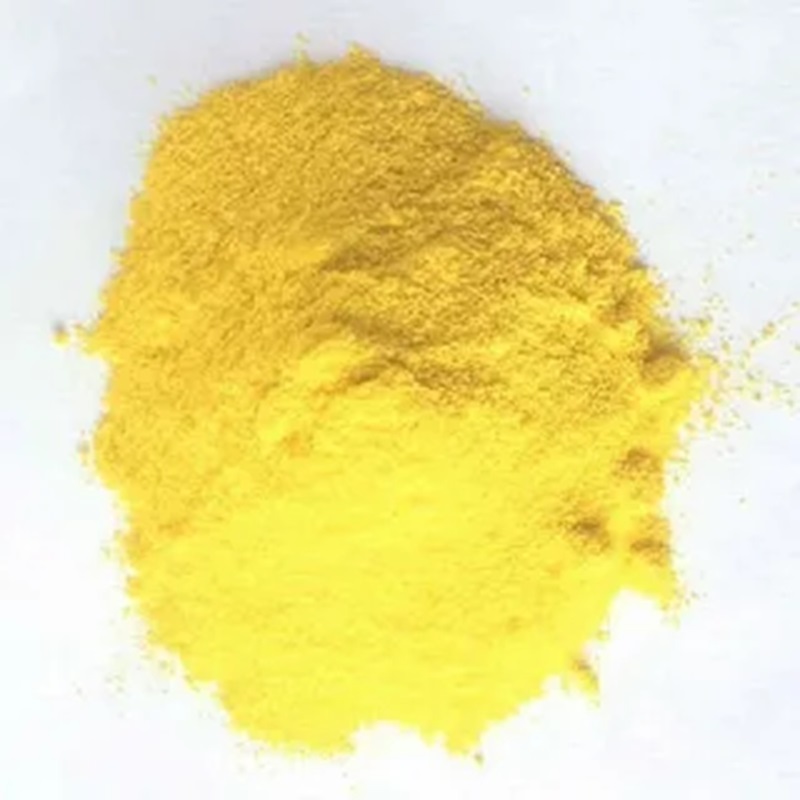
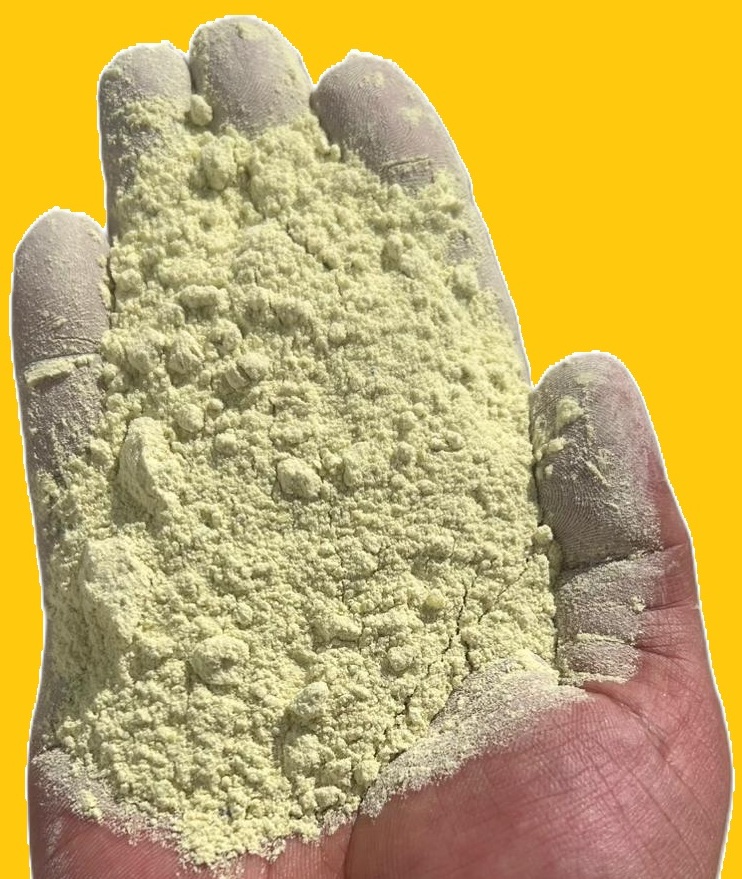
Powdered Sulfur (Flour Sulfur)
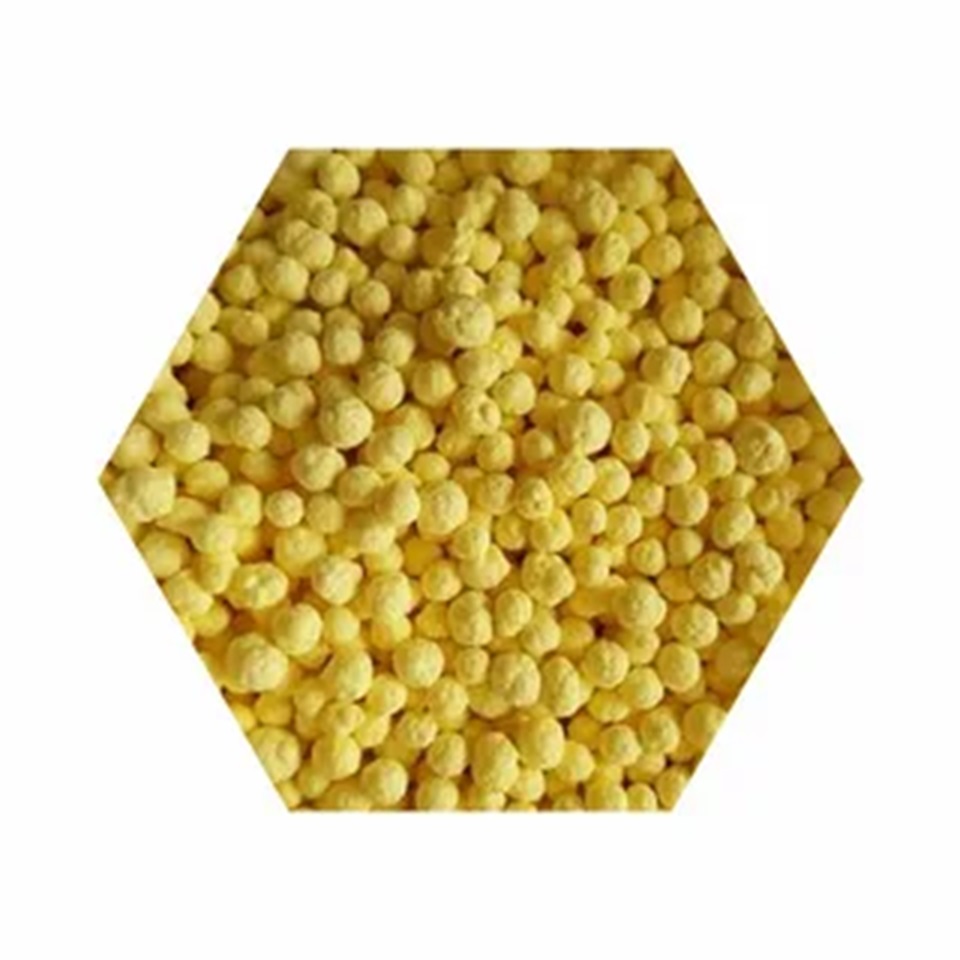
Granular Sulfur (Prilled Sulfur)
Lump / Solid Sulfur (Block Sulfur)
Flowers of Sulfur
By Crystal Structure:
Alpha Sulfur (Rhombic)
Beta Sulfur (Monoclinic)
Today, the majority of the world's sulfur supply is obtained as a by-product from petroleum refineries and natural gas processing plants. Additionally, traditional mining methods are also used.
Primary Method: Claus Process (Petrochemical Source)
Source: Crude oil and natural gas contain corrosive hydrogen sulfide (H₂S), which must be removed .
Separation (Absorption): H₂S is separated from the gas stream using solvents, typically amines (e.g., Monoethanolamine - MEA) .
Oxidation (Claus Process): The concentrated H₂S gas is burned in a controlled manner with air in the presence of a catalyst (alumina).
Reaction: 2 H₂S + O₂ → 2 S + 2 H₂O
Secondary Method: Frasch Process (Mining)
Superheated water (170°C) is injected into underground sulfur deposits through a system of three concentric pipes. This melts the sulfur in place. The molten sulfur is brought to the surface using compressed air and purified by cooling in large vats. This method yields sulfur with 99.5% - 99.9% purity .
Sulfur is known for having multiple allotropic forms. The two most common are Rhombic (Alpha), stable at room temperature, and Monoclinic (Beta), stable above 95.5°C .
| Property | Value / Description |
|---|---|
| Physical Appearance | Lemon-yellow, solid (powder, granules, crystals, lumps) |
| Odor | Odorless in its pure state. |
| Molecular Weight | 32.06 g/mol (as S atom) / 256.52 g/mol (as S₈) |
| Density | ~2.07 g/cm³ (Rhombic, at 25°C) |
| Melting Point | 115°C (Rhombic) / 119°C (Monoclinic) |
| Boiling Point | 444.7°C |
| Solubility | Insoluble in water. Highly soluble in carbon disulfide (CS₂) . Partially soluble in organic solvents like benzene and toluene. |
| Electrical Resistivity | 2x10²³ μΩ-cm (at 20°C) - A very good insulator |
| Vapor Density | 8.9 (air=1) |
| Autoignition Temperature | 232°C (450°F) |
Sulfur is a cornerstone of modern industry. Approximately 90% of produced sulfur is used to manufacture sulfuric acid (H₂SO₄), the most important industrial chemical .
Sulfuric Acid Production: It is a fundamental input for countless sectors, including fertilizer (phosphate), paint, detergent, and synthetic resin production .
Other Chemicals: Used in the synthesis of sulfur dioxide (SO₂), sulfites, sulfates, thiosulfates, and mercaptans.
Fertilizer: Used to lower soil pH (reclaiming alkaline soils) and provide sulfur, an essential nutrient for plants .
Pesticide (Fungicide): It is the main component of fungicides used against powdery mildew in viticulture and fruit growing .
Vulcanization: Creates cross-links (disulfide bridges) between rubber polymer chains, increasing the material's durability, elasticity, and heat resistance. This process is fundamental to tire manufacturing .
Leaching: Used in the production of sulfuric acid for extracting metals like copper and uranium from low-grade ores .
Flotation: Acts as a chemical reagent in ore beneficiation plants to separate valuable metals (copper, zinc, lead) .
Sulfur Concrete: A special type of concrete with superior resistance to acids and saline waters compared to conventional concrete, used in chemical plants and marine barriers .
Sulfur-Extended Asphalt: Adding sulfur pellets to asphalt mixtures increases the durability of road pavements and reduces the risk of cracking in cold climates .
Lithium-Sulfur (Li-S) Batteries: A critical component in next-generation battery technologies offering higher energy density than traditional lithium-ion batteries .
Solar Cells: Used in the production of thin-film layers like cadmium sulfide (CdS) to enhance the efficiency of solar cells .
Pharmaceuticals and Cosmetics: Found in acne treatment creams, lotions, and soaps used for treating eczema, psoriasis, and scabies .
Food Industry: Used in sulfuring (sulfite application) to extend the shelf life and preserve the color of dried fruits (apricots, grapes).
Pulp and Paper Industry: Used in the bleaching process (SO₂ production) of wood pulp .
| Type | Form | Purity | Primary Applications | Properties |
|---|---|---|---|---|
| Powdered Sulfur | Fine powder | High | Agriculture (fungicide, soil amendment), rubber, gunpowder | High reactivity, risk of dusting |
| Granular Sulfur (Prill) | 2-4 mm granules | High | Sulfuric acid production, fertilizer blends | Low dust, free-flowing, easy handling |
| High Purity Sulfur | Crystalline / Pieces | >99.99% | Pharmaceuticals, high-tech batteries, electronics | Minimum metal impurities |
| Liquid Sulfur | Liquid (molten) | >99.5% | Chemical production plants (caprolactam, SO₃) | Transported via pipeline, used directly in process |
Sulfur can pose serious safety risks if not handled correctly.
Flammability and Explosion Risk: Sulfur dust is flammable and can cause violent explosions when suspended in air (dust cloud). Keep away from static electricity, sparks, or heat. Water spray can be used for fire extinguishing. NFPA 655: Standard for Prevention of Sulfur Fires and Explosions must be followed .
Health Effects (GHS Classification):
Skin Irritation (Skin Irrit. 2): Dust may irritate eyes, skin, and respiratory tract .
Combustion Product: Sulfur dioxide (SO₂) gas produced upon burning is highly irritating and extremely toxic if inhaled.
Storage:
Store in cool, dry, and well-ventilated areas.
Must be stored separately from oxidizing agents (such as nitrates, chlorates, permanganates) .
Do not store together with fertilizers like ammonium nitrate .
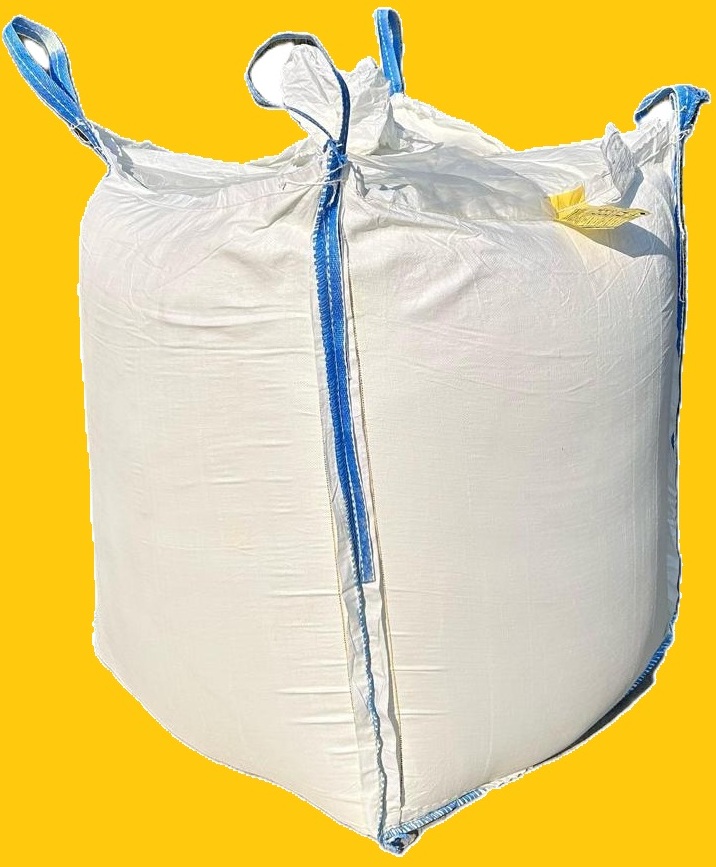
Transport Classification: UN 1350, SULFUR, Hazard Class 4.1 (Flammable Solid) .
Warning: This product is intended for industrial use. Always review the Material Safety Data Sheet (MSDS) before use. Wear protective gloves and goggles when handling the product, and avoid inhaling dust.
Sulfur is a fundamental raw material in modern industry, and the vast majority of its production is dedicated to a single product: sulfuric acid. The approximate sectoral distribution is as follows:
Sulfuric Acid Production (85-90%): The vast majority of elemental sulfur produced in the world is used to manufacture sulfuric acid (H₂SO₄) . This acid is a critical input for countless sectors, primarily the fertilizer industry (phosphate fertilizers), as well as metallurgy (ore processing), petrochemicals, paints, textiles, and many others.
Rubber and Tire Industry (5-7%): Sulfur is a critical component in the vulcanization of rubber. This process creates cross-links between rubber polymer chains, increasing the material's durability, elasticity, and heat resistance. It is fundamental to tire manufacturing .
Agriculture (3-5%): Sulfur is used directly as a soil conditioner and fungicide. Applied to soil in powder or granular form, it provides essential sulfur to plants and lowers the pH of alkaline soils. It is also the main component of fungicides used against powdery mildew in viticulture .
Other Applications (2-3%): This category includes a wide variety of uses, such as:
Mining (Flotation): Acts as a chemical reagent in ore beneficiation plants to separate valuable metals.
Pharmaceuticals and Cosmetics: Found in acne treatment creams, lotions, and soaps for treating eczema, psoriasis, and scabies .
Food Industry: Used in sulfuring (sulfite application) to extend the shelf life and preserve the color of dried fruits (apricots, grapes).
Pulp and Paper Industry: Used in the bleaching process (SO₂ production) of wood pulp .
Gunpowder and Fireworks: Historically a component of black powder.
The widespread use of sulfur is due to several key factors:
Low Cost and High Availability: As sulfur is largely obtained as a by-product of petroleum and natural gas refining , its supply is continuous, and its cost is highly competitive compared to many other chemical raw materials.
Versatile Chemical Reactivity: Sulfur has the ability to react with a vast number of elements and compounds . This property makes it an indispensable starting material for the synthesis of countless important chemicals, such as sulfuric acid, sulfides, sulfates, thiosulfates, and organosulfur compounds.
Essential Role in Sulfuric Acid Production: Sulfur (or sulfide ores like pyrite) is the only economic source for producing sulfuric acid, the backbone of the modern economy. This acid is a fundamental input for nearly all heavy industries, especially fertilizer production.
Unique Function in Vulcanization: No effective alternative to sulfur has been found for the vulcanization process, which imparts flexibility, durability, and elasticity to rubber. This makes sulfur particularly important for the tire and automotive industries.
Variety of Physical Forms: Sulfur can be supplied in different physical forms, such as powder, granules, lumps, or liquid. This allows it to be adapted for a wide range of needs, from fertilizer blending and chemical processes to direct soil application and pharmaceutical manufacturing.
While direct alternatives exist for some uses of sulfur, finding substitutes is very difficult, especially for sulfuric acid production and vulcanization. Here are some examples:
| Application Area | Alternative(s) | Effectiveness / Status of the Alternative |
|---|---|---|
| Sulfuric Acid Production | Burning sulfide ores like pyrite (FeS₂) | Technically possible and was widely used in the past. However, today, petrochemical sulfur is more economical and purer, so the use of pyrite has largely diminished. |
| Vulcanization | Peroxides, metal oxides (e.g., zinc oxide), resins, or radiation | These alternatives are used in specialty rubbers (e.g., silicone rubbers requiring high heat resistance). However, in terms of cost, ease of processing, and the mechanical properties achieved, they are not as effective or economical as sulfur for general-purpose tire production. |
| Agriculture (Fungicide) | Synthetic organic fungicides (triazoles, strobilurins, etc.) | These alternatives are often more targeted and effective at lower doses. However, they are more expensive and may carry different risks, such as environmental persistence and resistance development. Sulfur is still widely preferred, especially in organic farming. |
| Soil Acidifier | Aluminum sulfate, ammonium sulfate, organic matter (peat moss), iron sulfate | These alternatives can also lower soil pH. However, sulfur is generally the most concentrated, longest-lasting, and most economical option. |
Sulfur is known by many different names depending on historical and regional usage:
| Name / Term | Description / Context |
|---|---|
| Sulphur | The traditional spelling used in British English and many Commonwealth countries (Canada, Australia, India, etc.) . |
| Brimstone | An archaic term from Old English, notably used in the Bible in the phrase "fire and brimstone" . |
| Flowers of Sulfur | A specific form of fine, powdered pure sulfur obtained by sublimation . |
| Milk of Sulfur | An amorphous powder obtained by boiling sulfur with lime and then precipitating the solution with hydrochloric acid . |
| Washed Sulfur | A finely crystalline form washed with ammonia to remove impurities . |
| Translations in Other Languages |
* French: Soufre |
Sulfur is an indispensable element in agriculture due to its versatile roles. Its applications can be grouped into four main categories, each directly impacting plant health and productivity.
After nitrogen (N), phosphorus (P), and potassium (K), sulfur is the fourth most important macronutrient for plants . It is a fundamental building block for proteins, amino acids, and enzymes. Without sufficient sulfur, plants cannot thrive, leading to reduced yields and lower crop quality .
In recent years, due to the intensive use of sulfur-free fertilizers and a decrease in atmospheric sulfur deposition, sulfur deficiency in soils has become widespread in over 70 countries worldwide . To address this deficiency, two main types of fertilizers are used:
Sulfate Fertilizers (Immediate Effect): These are directly available for plant uptake but have a high risk of leaching and generally contain a low percentage of sulfur .
Elemental Sulfur (Long-Lasting Effect): This is slowly converted to sulfate by soil bacteria. Therefore, its effect is long-lasting, and there is less loss from leaching .
The sulfur requirement varies for different crops. For example, winter rapeseed has a high demand, requiring 40-50 kg/ha, while cereals need between 10-20 kg/ha .
Sulfur is a powerful tool for reclaiming problematic soils, particularly those with high pH or salinity .
Reclamation of Alkaline Soils: In high-pH (alkaline) soils, plants' access to nutrients like phosphorus and iron is blocked. Elemental sulfur applied to the soil is oxidized by soil bacteria, converting it into sulfuric acid. This natural acidification process lowers the soil pH, thereby solubilizing essential nutrients and unlocking them for plant uptake .
Rehabilitation of Saline Soils: High salinity increases the soil's electrical conductivity, hindering plants' ability to absorb water and nutrients. The hydrogen ions and sulfate produced from sulfur oxidation react with sodium and chlorine in the soil, forming leachable compounds (hydrochloric acid and sodium sulfate). This process facilitates the washing away of excess salts from the root zone .
Sulfur is one of the oldest known fungicides on record, having been used since the early 19th century, particularly against powdery mildew in orchards . It remains effective today .
Fungicidal Action: It works by directly contacting fungal spores, inhibiting their germination and development . It provides protection against a range of fungal diseases, most notably powdery mildew, but also rusts and others. When used correctly, it can reduce disease incidence by up to 70% .
Acaricidal Action: It is also effective in controlling harmful mites, such as spider mites and gall mites .
Ideal for Organic Farming: In organic agriculture, where synthetic chemicals are restricted, sulfur is widely preferred as a naturally occurring pesticide. Organic apple orchards are a prime example of its use .
The pursuit of sustainability in agriculture has led to innovations in sulfur use.
Bio-Stimulant Effect: Sulfur can enhance the efficiency of plant metabolism, improving both the quantity and quality of the harvest .
Advanced Fertilizer Technologies (BPS and BS): Traditional elemental sulfur can take a very long time to oxidize in the soil (100-1000 days), which may not be synchronized with the plant's needs . To solve this, new technologies have been developed:
Bio-Polymerized Sulfur (BPS): Produced using vegetable oils and sulfur. It provides slow and controlled release in the soil, enhancing nutrient efficiency .
Biological Sulfur (BS): Obtained by converting sulfur from industrial waste gases (H₂S) into elemental sulfur using bacteria. Research shows that these new types of fertilizers oxidize 1.2 to 1.7 times faster than traditional sulfur and can increase corn yields by 10-12% .
The table below summarizes the four main functions of sulfur in agriculture:
| Function | Mechanism of Action | Benefit Provided |
|---|---|---|
| Nutrient Source | Essential building block for amino acid and protein synthesis | Promotes plant growth, increases yield and quality |
| Soil Conditioner | Oxidized by bacteria, lowering soil pH and facilitating salt leaching | Reclaims alkaline and saline soils, improves nutrient availability |
| Crop Protection | Direct contact neutralizes fungal spores and mites | Controls diseases and pests like powdery mildew, rust, and spider mites (including in organic farming) |
| Enhanced Fertilizer (BPS/BS) | Oxidizes in a controlled and faster manner, synchronizing with plant needs; enhances phosphorus uptake | Leads to higher yields, supports sustainable agriculture, contributes to waste management |
This multifaceted role of sulfur makes it an integral part of modern and sustainable agricultural practices. Its use not only improves soil health but also protects plants, leading to higher quality and more abundant harvests.