We unleash your business potential by maximize the business innovation.
Send EmailCalcium Sulfate 2-Hydrate, Calcium Sulfate Dihydrate, C.I.Pigment White 25, 10101-41-4
Calcium Sulfate Dihydrate (CAS 10101-41-4) based on the details you provided, enriched with sectoral context:
General Information
-
Chemical Formula: CaSO₄·2H₂O
-
Molecular Weight: 172.17 g/mol
-
CAS Number: 10101-41-4
-
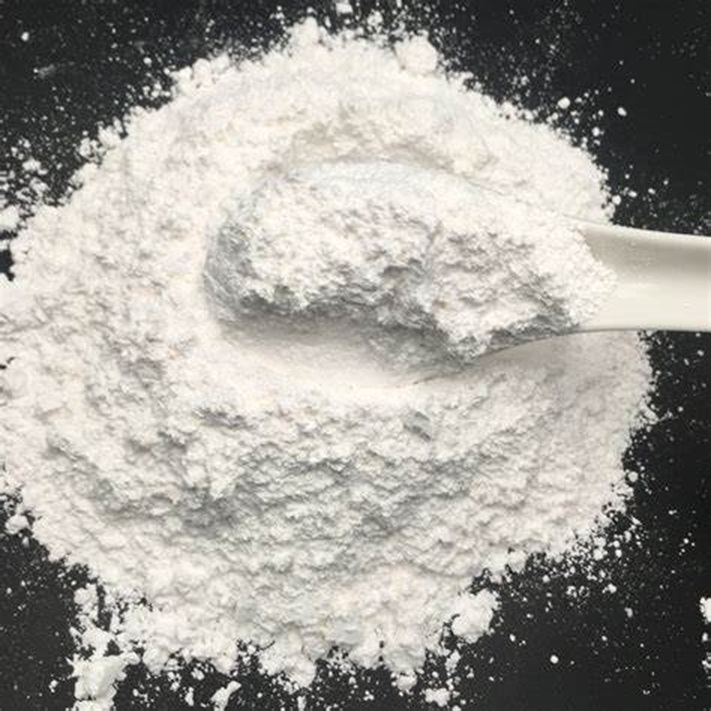
Appearance: White crystalline powder
-
Density: 2.32 g/cm³
-
Melting Point: ~1450 °C
-
Solubility: Relatively higher solubility in water compared to the anhydrous form
Applications by Sector
| Sector | Usage | Notes |
|---|---|---|
| 🌱 Agriculture | Soil conditioner, fertilizer | Reduces soil alkalinity, improves soil structure and performance |
| 🏗️ Construction | Plaster, drywall, cement | Main raw material for gypsum boards and plaster of Paris |
| 🏭 Industrial | Glass, ceramics, paints | Used as filler and stabilizer in various industrial processes |
| 🍞 Food Industry | Food additive (E516) | Calcium supplement, dough conditioner, coagulant, yeast nutrient |
| ⚗️ Chemical Industry | Raw material in reactions | Used in sulfuric acid production and other chemical syntheses |
Extended Uses
-
Cement raw material: Combined with hemihydrate and other additives.
-
Paper & Paint industry: Acts as a filler to improve texture and brightness.
-
Food-grade supplements:
-
Calcium fortification in foods
-
Coagulant in tofu production
-
Dough conditioner in bakery products
-
Tissue firming agent in canned tomatoes/potatoes
-
Brewing water hardener in beer production
-
Flavor enhancer in wine
-
Other Names
-
Gypsum
-
Jips
-
Plaster of Paris (though technically hemihydrate, often confused in trade)
-
Drierite (commercial drying agent, though usually anhydrous form)
Summary
Calcium Sulfate Dihydrate is one of the most versatile mineral additives, bridging construction, agriculture, food, and chemical industries. Its dual role as both a structural material (gypsum boards, plaster) and a functional additive (food, soil, industrial filler) makes it indispensable across sectors.
Sectoral Suitability and Usage Ratios
| Sector / Application | Purpose | Typical Usage Ratio | Suitability | Usage Level |
|---|---|---|---|---|
| 🏗️ Construction | Gypsum, drywall, cement raw material | 5–15% | ✅ Suitable | 🔵🔵 Medium |
| 🌱 Agriculture | Soil conditioner, fertilizer | 200–500 kg/ha | ✅ Suitable | 🔵🔵🔵 High |
| 🏭 Industry | Glass, ceramics, paint, paper filler | 2–10% | ✅ Suitable | 🔵🔵 Medium |
| 🍞 Food (E516) | Calcium supplement, coagulant, dough conditioner, yeast nutrient | 0.1–0.5% | ⚠️ Limited (regulated by Codex/EFSA/Turkish Food Codex) | 🔵 Low |
| 💊 Pharmaceuticals | Tablet/capsule filler, dietary supplement | 5–20% | ✅ Suitable | 🔵🔵 Medium |
| ⚗️ Chemicals | Raw material for sulfuric acid and other reactions | 5–10% | ✅ Suitable | 🔵🔵 Medium |
Notes
-
🔵 Low → Small-scale or trace usage (food industry).
-
🔵🔵 Medium → Moderate proportions in formulations (construction, industry, pharma, chemicals).
-
🔵🔵🔵 High → Large-scale application (agriculture).
-
⚠️ Limited → Food industry use is strictly regulated by Codex Alimentarius, EFSA, and Turkish Food Codex.
📌 General Description
-
Chemical Name: Calcium Sulfate Dihydrate
-
CAS No: 10101-41-4 (also listed as 13397-24-5 in some references)
-
Formula: CaSO₄·2H₂O
-
Appearance: White crystalline powder or natural gypsum stone
-
Key Property: Contains two water molecules; slower setting compared to hemihydrate, widely used in construction and food industries
🏗️ 1. Construction & Building Materials
-
Application: Gypsum board, plaster, cement additive.
-
How to Use: Ground dihydrate is used as the main component in gypsum board cores or mixed into plaster and cement.
-
Typical Amounts:
-
Gypsum board: 70–90% of the core composition
-
Cement additive: 3–5%
-
Plaster coating: 5–10 kg per m² surface
-
🦷 2. Dentistry & Medical
-
Application: Dental modeling, orthopedic casts.
-
How to Use: Mixed with water to form molds; sets more slowly than hemihydrate, allowing controlled shaping.
-
Typical Amounts:
-
Dental models: 100–200 g per mold
-
Orthopedic casts: 2–5 kg per application
-
🧪 3. Laboratory & Analytical Chemistry
-
Application: Reagent carrier, stable sulfate ion source.
-
How to Use: Dissolved in solutions for analytical tests.
-
Typical Amounts:
-
Solution preparation: 1–5 g per liter
-
🌱 4. Agriculture
-
Application: Soil conditioner, calcium and sulfate source.
-
How to Use: Applied directly to soil or blended with irrigation water.
-
Typical Amounts:
-
Soil conditioning: 200–500 kg per hectare
-
Calcium supplementation: 50–100 kg per hectare
-
-
Note: Dihydrate is preferred in agriculture because of its controlled solubility and long-lasting effect.
🍽️ 5. Food Industry
-
Application: Food additive (E516 – calcium sulfate).
-
How to Use: Used as a firming agent, stabilizer, flour treatment agent.
-
Typical Amounts:
-
Flour treatment: 0.2–0.5%
-
Tofu production: 1–3 g per liter of soy milk
-
-
Note: Only dihydrate form is approved for food use; hemihydrate is not suitable.
💊 6. Pharmaceuticals & Cosmetics
-
Application: Tablet excipient, binder, filler, cosmetic additive.
-
How to Use: Incorporated into formulations as binder or filler.
-
Typical Amounts:
-
Tablets: 2–5% additive
-
Cosmetics: 5–10% filler
-
🎨 7. Pigments, Paints & Polymers
-
Application: Filler, pigment carrier, viscosity regulator.
-
How to Use: Added to paint, plastic, and rubber formulations.
-
Typical Amounts:
-
Paints: 5–15% additive
-
Plastics/Rubber: 10–20% additive
-
📦 8. Paper & Industrial Uses
-
Application: Paper filler, cardboard hardener, adhesives and putties.
-
How to Use: Incorporated during production as filler or stabilizer.
-
Typical Amounts:
-
Paper/Cardboard: 5–10% filler
-
Adhesives/Putties: 10–20% additive
-
🎯 Summary
-
Essential Uses: Construction (gypsum board, plaster), food (E516 additive), agriculture (soil conditioner).
-
Limited Uses: Dentistry, pharmaceuticals, cosmetics.
-
Typical Usage Range: 2–30% additive or 200–500 kg/ha in agriculture.
-
Advantage: Slower setting than hemihydrate, longer-lasting effect, and approved for food applications.