İş inovasyonunu en üst düzeye çıkararak iş potansiyelinizi ortaya çıkarıyoruz.
Eposta GönderSodyum Poliakrilat, Süper Emici Polimer, Sodium Polyacrylate, Super Absorbent Polymer, SAP, 9003-04-7
SODIUM POLYACRYLATE (SAP)
Super Absorbent Polymer - Poly(sodium acrylate)
CAS: 9003-04-7
| Product Name | Sodium Polyacrylate (Super Absorbent Polymer) |
| CAS Number | 9003-04-7 |
| EC Number | 231-209-7 / 618-349-8 |
| Chemical Class | Acrylic Hydrophilic Polymer |
| Synonyms | SAP, Poly(sodium acrylate), PAAS, Waterlock, Super Absorbent Polymer |
ITEM 1: PRODUCT IDENTITY AND NOMENCLATURE
| Parameter | Description |
|---|---|
| IUPAC Name | Poly(sodium prop-2-enoate) |
| Chemical Formula | (C₃H₃NaO₂)ₙ |
| Monomer Unit | Sodium Acrylate |
| CAS Number | 9003-04-7 |
| EC Number | 231-209-7 / 618-349-8 |
| Synonyms | Sodium Polyacrylate, SAP, Poly(sodium acrylate), PAAS, Waterlock, Super Absorbent Polymer |
| HS Code | 3906.90.00.00.00 |
Description: Sodium Polyacrylate is a super absorbent polymer (SAP) belonging to the acrylic hydrophilic polymers family . It is the sodium salt of polyacrylic acid, a high molecular weight polymer with a three-dimensional network structure . This material has the remarkable ability to absorb and retain large quantities of aqueous fluids—up to 100 to 1000 times its own weight in water . It is a non-toxic, biologically inert, and environmentally friendly material .
ITEM 2: CHEMICAL STRUCTURE AND MOLECULAR PROPERTIES
| Parameter | Description |
|---|---|
| Chemical Family | Polyacrylates (Acrylic Hydrophilic Polymers) |
| Structure | Cross-linked polymer network with hydrophilic carboxylate groups (-COONa) |
| Monomer | Sodium Acrylate (C₃H₃NaO₂) |
| Functional Groups | Carboxylate (-COONa), Ionic groups for water affinity |
| Polymer Type | Anionic polyelectrolyte |
| Molecular Weight | Variable (typically from 2,100 to 250,000 g/mol) |
Structural Formula:
text
    H       H
     \     /
      C = C
     /     \
    H       C(=O)ONa
Description: Sodium Polyacrylate is an anionic polyelectrolyte consisting of long chains of acrylate compounds with negatively charged carboxylic groups in the main chain . The polymer contains sodium ions that enable its extraordinary water absorption capacity. Its three-dimensional cross-linked network structure is formed through polymerization reactions using unsaturated monomers, crosslinking agents, and initiators . This structure allows the polymer to swell and absorb water without dissolving .
ITEM 3: PHYSICAL APPEARANCE AND FORM
| Parameter | Specification | Test Method |
|---|---|---|
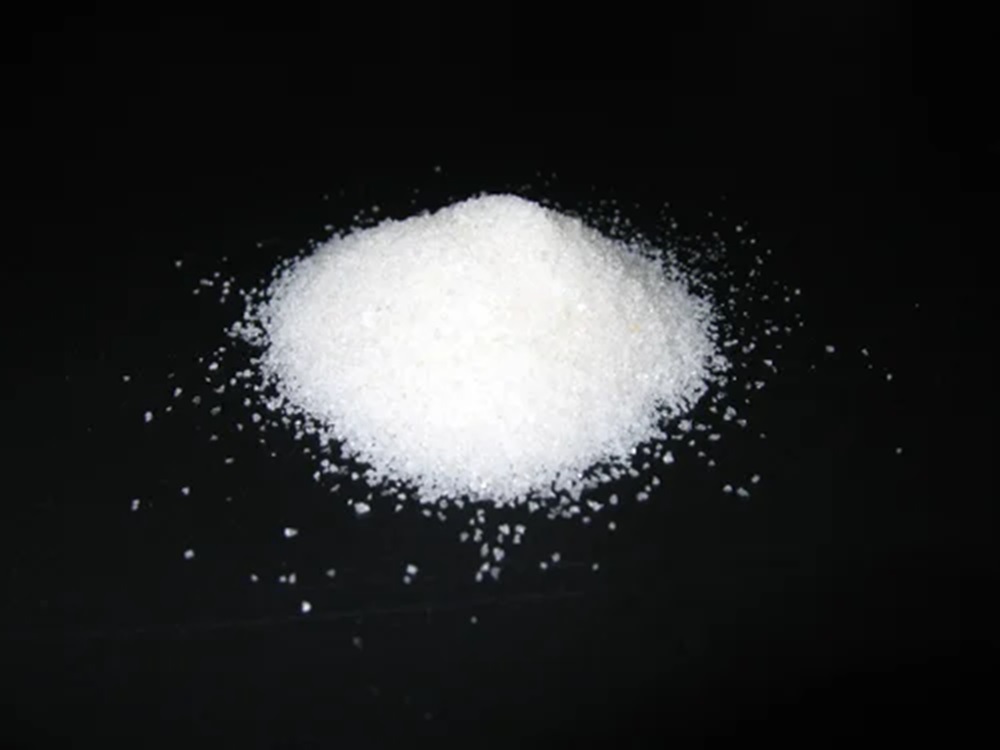
| Appearance | White granular, powder, or free-flowing granules | Visual Inspection |
| Physical Form | Solid (powder, granules, or particles) | Visual Inspection |
| Odor | Odorless | Organoleptic |
| Color | White | Visual Inspection |
| Particle Size | Various grades: powder (50-200 μm) / granules (0.2-2 mm) | Sieve Analysis |
Description: Sodium Polyacrylate is supplied as a white, odorless, free-flowing powder or granular solid. The particle size can be customized for different applications, ranging from fine powder (50-200 μm) for intimate mixing to larger granules for bulk applications .
ITEM 4: PHYSICAL PROPERTIES - GENERAL
| Property | Specification | Typical Value | Test Method |
|---|---|---|---|
| Appearance | White powder/granules | White granular powder | Visual |
| Density | ~1.22 g/cm³ | 1.22 g/cm³ | – |
| Bulk Density | 0.60 – 0.73 g/mL | 0.60 – 0.73 g/mL | – |
| pH (1% Aqueous Solution) | 5.8 – 7.0 | 6.0 – 6.5 | pH Meter |
| Solubility in Water | Swells, forms gel (does not dissolve) | Readily swells | – |
| Melting Point | >300 °C | >300 °C | DSC |
Description: Sodium Polyacrylate has a pH range of 5.8-7.0 in aqueous solution . Unlike typical water-soluble polymers, it does not dissolve in water but instead swells to form a stable hydrogel . The polymer exhibits good mechanical stability, high heat resistance, and strong hydration properties .
ITEM 5: ABSORPTION PERFORMANCE PROPERTIES
| Property | Specification | Typical Value | Test Method |
|---|---|---|---|
| Absorption Capacity (DI Water) | 300 – 1000× own weight | 300-1000 g/g | Tea Bag Method |
| Absorption Capacity (0.9% Saline) | ≥ 60 g/g | 60-70 g/g | ISO 17190-5 |
| Centrifuge Retention Capacity | ≥ 30 g/g | 31-42 g/g | ISO 17190-6 |
| Absorption Under Pressure (0.3 psi) | ≥ 20 g/g | 24 g/g | ISO 17190-7 |
| Absorption Under Pressure (0.7 psi) | ≥ 11 g/g | 12.5 g/g | ISO 17190-7 |
| Absorption Rate (Vortex) | ≤ 25 seconds | 23 seconds | JIS K 7224 |
| Saline Absorption | Decreases with increasing salt content | Variable | – |
Description: Sodium Polyacrylate exhibits extraordinary absorption capacity—absorbing 300 to 1000 times its own weight in deionized water . In saline solution (0.9% NaCl), absorption capacities range from 60-70 g/g . The gel remains stable and retains fluids even under pressure, which is critical for hygiene applications . Absorption capacity decreases with increasing salt content due to ionic effects .
ITEM 6: ABSORPTION MECHANISM
| Parameter | Description |
|---|---|
| Mechanism | Osmotic pressure driven water uptake |
| Process | Diffusion → Swelling → Gel formation |
| Driving Force | Concentration difference between polymer network and external solution |
| Reversibility | Absorption is irreversible (does not release water under normal conditions) |
| Pressure Resistance | Gel retains fluids under up to 0.7 psi pressure |
| pH Sensitivity | Stable across pH 4-10 range |
Description: The absorption process is driven by the osmotic pressure difference between the sodium ions inside the polymer network and the external solution. Water molecules are drawn into the polymer matrix, causing the polymer chains to uncoil and swell. Once absorbed, the water is locked within the cross-linked network and cannot be released even under pressure . The polymer transforms from a solid to a stable gel, retaining fluids under stress .
ITEM 7: PURITY AND ANALYTICAL SPECIFICATIONS
| Parameter | Specification | Typical Value | Test Method |
|---|---|---|---|
| Purity | ≥ 98% | 98-99% | GC |
| Water Content | ≤ 6% | 2.9-4.0% | ISO 17190-4 |
| Residual Monomers | ≤ 600 ppm | 370 ppm max | ISO 17190-2 |
| Extractable Content | ≤ 20% | 19.5% | GB/T 22875 |
| pH (25°C) | 5.8 – 7.0 | 6.0 – 6.5 | ISO 17190-1 |
| Flow Rate | 8.0 – 10.0 g/s | – | – |
| Whiteness | ≥ 65 | 73 | – |
| Heavy Metals | ≤ 10 ppm | < 5 ppm | ICP-MS |
Description: Sodium Polyacrylate for hygiene applications is a highly purified material with low residual monomer content (typically <600 ppm) . Water content is typically below 6%, and the product meets strict global safety standards . The flow rate and whiteness are controlled for processing and aesthetic requirements.
ITEM 8: PARTICLE SIZE DISTRIBUTION
| Parameter | Specification | Typical Value | Test Method |
|---|---|---|---|
| > 850 μm | ≤ 1.0% | – | Sieve Analysis |
| 850 – 600 μm | 5 – 20% | 10% | Sieve Analysis |
| 600 – 300 μm | 45 – 80% | 69% | Sieve Analysis |
| 300 – 150 μm | 10 – 30% | 20% | Sieve Analysis |
| 150 – 45 μm | ≤ 2.0% | 1.0% | Sieve Analysis |
| < 45 μm | ≤ 0.5% | – | Sieve Analysis |
Description: The particle size distribution of Sodium Polyacrylate is carefully controlled to optimize absorption rate, flowability, and processing performance. The majority of particles (45-80%) are in the 300-600 μm range . Fine particles (<45 μm) are minimized to reduce dust and improve handling.
ITEM 9: HYGIENE AND PERSONAL CARE APPLICATIONS
| Application | Function / Description |
|---|---|
| Baby Diapers | Core absorbent material, absorbs and locks urine |
| Sanitary Napkins | Fluid absorption and retention |
| Adult Incontinence Products | Urine absorption and odor control |
| Nursing Pads | Breast milk absorption |
| Pet Pads | Animal waste absorption |
| Medical Ice Packs | Cold pack gel formation |
Description: Sodium Polyacrylate is the key ingredient in modern disposable diapers, sanitary napkins, and incontinence products . It absorbs and locks liquid, converting it into a gel that cannot be squeezed out even under pressure. This keeps the skin dry and prevents leakage. The use of SAP allows diapers to be much thinner, more comfortable, and more absorbent than traditional products .
ITEM 10: WATER TREATMENT AND INDUSTRIAL APPLICATIONS
| Application | Function / Description |
|---|---|
| Scale Inhibitor | Prevents scale formation in water systems |
| Water Treatment | Industrial circulating water treatment agent |
| Detergent Builder | Aids in detergent processing and controls water hardness |
| Thickener | Viscosity modifier for aqueous solutions |
| Emulsion Stabilizer | Stabilizes emulsions in various formulations |
Description: In industrial applications, Sodium Polyacrylate functions as a scale inhibitor, detergent builder, and thickener . It sequesters metal ions and controls water hardness, enhancing the efficiency of detergents and cleaning products . Its ability to thicken aqueous solutions and stabilize emulsions makes it valuable in various formulations .
ITEM 11: OILFIELD AND DRILLING APPLICATIONS
| Application | Function / Description |
|---|---|
| Drilling Fluids | Fluid loss control, viscosity modification |
| Cable Water Blocking | Prevents water ingress in cables |
| Spill Containment | Industrial spill clean-up |
Description: In the oilfield industry, Sodium Polyacrylate is used in drilling fluid formulations. It provides fluid loss control, viscosity modification, and rheology enhancement. The super absorbent properties also make it valuable for cable water-blocking applications and industrial spill containment .
ITEM 12: AGRICULTURE AND SOIL APPLICATIONS
| Application | Function / Description |
|---|---|
| Water Retention | Retains water in soil for plant use |
| Slow-Release Systems | Controlled release of water and nutrients |
| Moisture Control | Prevents soil erosion and drought stress |
Description: In agriculture, Sodium Polyacrylate is used to improve water retention in soil, reducing water consumption and enhancing plant growth . The polymer absorbs water during irrigation and releases it gradually to plant roots. This reduces drought stress, prevents soil erosion, and increases crop yields, especially in arid and semi-arid regions.
ITEM 13: CONSTRUCTION AND ENGINEERING APPLICATIONS
| Application | Function / Description |
|---|---|
| Flood Control | Barrier and dam hole plugging |
| Sludge Solidification | Waste sludge drying and solidification |
| Concrete Moisture Control | Prevents moisture ingress in concrete |
| Tunnel and Subway Sealing | Joint sealing and water blocking |
Description: Sodium Polyacrylate is used in construction and engineering for flood control, sludge solidification, and moisture control. The polymer expands rapidly upon contact with water, making it effective for emergency flood barriers and dam hole plugging . It is also used in tunnel and subway applications for joint sealing and water blocking .
ITEM 14: MEDICAL AND SPECIALTY APPLICATIONS
| Application | Function / Description |
|---|---|
| Medical Ice Packs | Gel formation for cold therapy |
| Hygiene Products | Fluid absorption in medical settings |
| Laboratory Use | Spill containment and waste solidification |
| Research Applications | Hydrogel formulations, polyelectrolyte studies |
Description: In medical and laboratory settings, Sodium Polyacrylate is used in ice packs for cold therapy and for fluid absorption in various hygiene products. In laboratories, it is used for spill containment and waste solidification . Research applications include hydrogel formulations, polyelectrolyte brushes, and materials research .
ITEM 15: SECTOR COMPATIBILITY MATRIX
| Industry | Suitability | Application | Notes |
|---|---|---|---|
| Hygiene Products | Excellent | Diapers, sanitary napkins, incontinence products | Primary use |
| Water Treatment | Excellent | Scale inhibitor, water hardness control | Industrial use |
| Detergents & Cleaners | Excellent | Builder, thickener, emulsifier | Widely used |
| Oil & Gas | Good | Drilling fluids, cable blocking | Specialized applications |
| Agriculture | Good | Water retention, slow release | Growing use |
| Construction | Good | Flood control, sludge solidification | Emergency and specialty |
| Medical & Laboratory | Good | Ice packs, spill containment | Limited use |
ITEM 16: REGULATORY AND SAFETY CLASSIFICATION
| Parameter | Description |
|---|---|
| Toxicity | Non-toxic, biologically inert |
| Skin Irritation | Non-irritating |
| Eye Irritation | May cause mild irritation (dust) |
| Inhalation | Powder may be irritating if inhaled |
| Carcinogenicity | Not classified |
| Mutagenicity | Not classified |
| FDA Compliance | Food contact approved (select grades) |
| REACH | Registered and compliant |
| GHS Hazard Class | Not classified as hazardous |
Description: Sodium Polyacrylate is considered very safe for its intended uses in hygiene products. It is non-toxic and biologically inert . While the gel form is safe, the powder form is a choking hazard and can be irritating if inhaled . It is regulated and must meet strict global safety standards for use in baby diapers and hygiene products .
ITEM 17: HANDLING AND PERSONAL PROTECTIVE EQUIPMENT (PPE)
| Parameter | Recommendation |
|---|---|
| Dust Control | Minimize dust formation; avoid creating airborne dust |
| Ventilation | Adequate general ventilation |
| Gloves | Nitrile or rubber gloves for prolonged contact |
| Eye Protection | Safety goggles for powder handling |
| Respiratory Protection | Dust mask (N95) for powder handling |
| Skin Contact | Wash with soap and water |
| Eye Contact | Rinse with plenty of water for 15 minutes |
| Inhalation | Move to fresh air; seek medical attention if irritation persists |
Description: While Sodium Polyacrylate is generally safe, standard industrial hygiene practices should be followed when handling the powder form. Dust formation should be minimized to avoid respiratory irritation. The powder form can be a slipping hazard due to its super absorbent properties when wet.
ITEM 18: STORAGE AND SHELF LIFE
| Parameter | Description |
|---|---|
| Storage Temperature | 15 – 30°C |
| Storage Conditions | Cool, dry, well-ventilated area |
| Moisture | Keep away from moisture; store in tightly closed containers |
| Light | Protect from direct sunlight |
| Materials to Avoid | Water, moisture, strong acids, strong bases |
| Shelf Life | 24 months (unopened, recommended conditions) |
| Packaging | 25 kg bag, 1 kg bottle, 250 g bottle |
| Signs of Degradation | Caking, discoloration, reduced absorption capacity |
Description: Sodium Polyacrylate should be stored in a cool, dry place in tightly closed containers. Moisture exposure will cause premature swelling and absorption, rendering the product unusable. The product is moisture-sensitive and should be protected from humidity during storage and handling.
ITEM 19: SPILL CLEANUP AND DISPOSAL
| Parameter | Description |
|---|---|
| Dry Spills | Sweep or vacuum up using appropriate equipment |
| Wet Spills | Absorb water with inert material; collect with absorbent pads |
| Avoid | Do not wash into drains or water sources (will form gel and cause blockages) |
| Waste Disposal | Dispose according to local, state, and federal regulations |
| Environmental Classification | Not classified as hazardous waste |
| Biodegradability | Readily biodegradable |
Description: Spills of dry Sodium Polyacrylate should be swept or vacuumed to prevent slips. Water spills involving the polymer should be absorbed using inert materials. The polymer is not classified as hazardous waste and is readily biodegradable. Do not wash into drains as the polymer will expand and cause blockages.
ITEM 20: PACKAGING AND TRANSPORT INFORMATION
| Parameter | Description |
|---|---|
| Standard Packaging | 25 kg kraft paper bag with PE liner |
| Laboratory Packaging | 250 g, 1 kg, 5 kg (upon request) |
| Bulk Packaging | 500 – 1000 kg big-bags |
| Packaging Materials | PE-lined bags, fiber drums, poly bottles |
| UN Number | Not regulated |
| DOT Classification | Not classified as dangerous goods |
| ADR/RID Classification | Not classified |
| Transport Temperature | Ambient (protect from moisture and water) |
| Labeling | Product code, batch number, net weight, handling instructions |
SYNONYMS AND ALIASES
| Name | Description |
|---|---|
| Sodium Polyacrylate | Most common name |
| SAP | Super Absorbent Polymer |
| PAAS | Poly(sodium acrylate) |
| Waterlock | Trade name |
| Super Absorbent Polymer | Descriptive name |
| Poly(sodium acrylate) | Scientific name |
| Sodium Polyacrylate | CAS name |
| Poly(acrylic acid sodium salt) | Alternative scientific name |
QUALITY AND CERTIFICATION SUMMARY
| Certificate / Standard | Status |
|---|---|
| ISO 9001:2015 | Certified manufacturing sites |
| REACH (EC 1907/2006) | Registered and compliant |
| FDA Compliance | Food contact approved (select grades) |
| ISO 17190 | Hygienic standards for SAP |
| OEKO-TEX | Available (select grades) |
| Halal / Kosher | Available upon request |
Disclaimer: This Technical Data Sheet provides typical values for reference purposes only. All values are based on standard laboratory measurements and do not constitute a binding specification. For binding properties, please request the Certificate of Analysis (COA) for each specific batch. The user is solely responsible for determining product suitability for their intended application and for compliance with all applicable regulations. Safety Data Sheet (SDS) must be requested from the supplier before use.